
Home Care Web Design
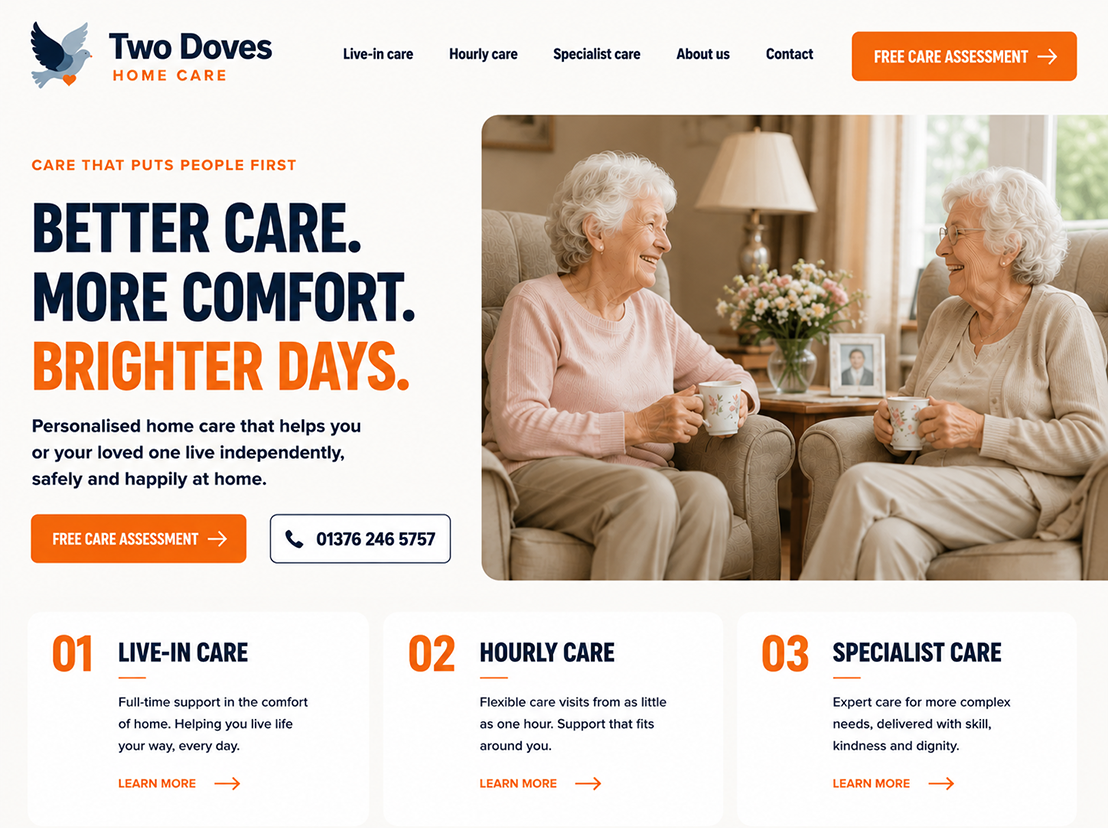
Home care web design for domiciliary care agencies, live-in care providers and private care companies that need structured service journeys, credibility signals and local enquiries. We build bespoke websites with service pages, location content, CQC sections, reviews and clear ways to get in touch that turn careful research into enquiries.
View Our Work Get a Quote

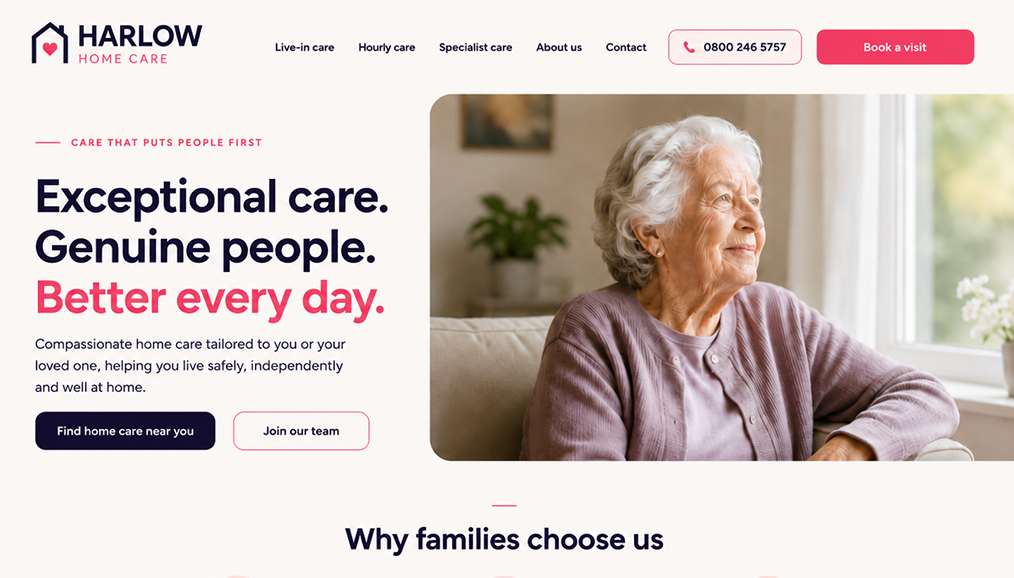


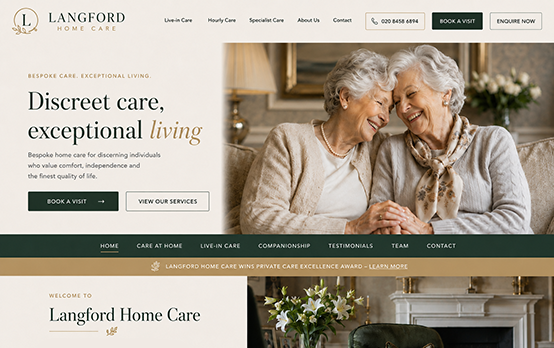
Home Care Web Design For Trusted Providers.
Families often reach a home care website at a sensitive point, arranging support for a parent, comparing local providers or deciding whether your service feels safe enough to contact at all. Your website has to explain care clearly, reassure visitors quickly and make the next step feel simple.
A strong home care website balances service detail, local coverage, CQC information, reviews, assessment steps, recruitment content and enquiry options. Domiciliary care, live-in care, visiting support and supported living need pages that speak to families, referrers and care teams without losing focus.
After delivering 300+ WordPress website projects, with team members working together since 2008, Webpop Design knows how to structure credible sites for regulated, multi-location and enquiry-led businesses. We plan content, layouts and publishing tools around how people choose care, so your website reflects service quality and drives local enquiries.
Start a New Project
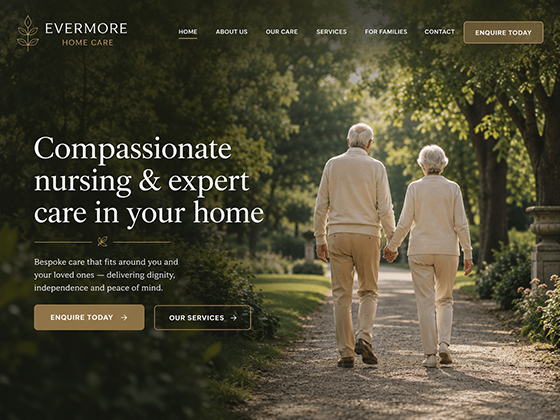
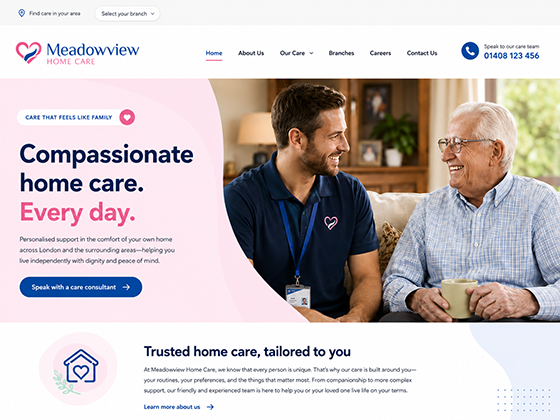
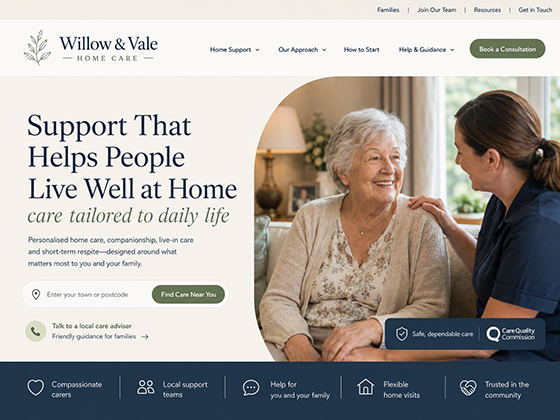
Websites That Convert Self-Funders & Council Families.
Webpop Design builds home care websites designed to convert two different types of enquiry into action from the same page. Self-funders, whose savings put them above the means-test threshold, tend to decide quickly and choose on continuity, speed and trust rather than price, so we plan journeys that answer their questions fast and move them to contact while intent is high.
For council-funded and Direct Payment families, we build content and contact forms that fit a slower path. These families are often mid-process, working through a needs assessment, a means test or a personal budget, and asking whether you accept Direct Payments and how quickly care can start, so their journey stays clear without slowing down or diluting the self-funder path alongside it.
Our team plans service pages, funding-aware content and contact forms that hold both audiences at once without confusing either, so a self-funder ready to commit and a family still navigating council support both find what they need, recognise you as the right provider and reach the right way to get in touch, rather than dropping out because the page only spoke to one of them.
Our Home Care Website Design Process.
A clear process for home care websites planned around trust-led enquiries, local visibility and long-term editing control.

Discovery & Insight
We start with understanding your care services, service areas, audiences, competitors and current website performance. This includes how families search, what referrers need, where enquiries come from, and which pages must support domiciliary care, live-in care, supported living, recruitment and local visibility.

Strategic Planning
We set the structure, messaging and priorities for the website before design begins. This includes family enquiry forms, service page planning, CQC content, testimonial placement, location pages, recruitment content, CRM handover, care software considerations and the publishing setup your internal team needs.

UX & Page Planning
Our team wireframes the main journeys to reflect actual home care decisions, from families checking service coverage to referrers finding the right person to contact. Service pages, location pages, callback forms, referral forms and recruitment sections are planned carefully before visual design begins.

Bespoke Design
The design stage focuses on clear layouts, strong hierarchy and trust-led presentation. We shape the visual direction to match your brand, team, reviews, CQC information and service detail, so families, referrers and care teams can act quickly and confidently when making sensitive decisions.

Development & Build
Your website is developed as a bespoke, responsive build with editable service pages, location templates, enquiry forms, analytics tracking and a refined CMS. Where needed, we also plan CRM handover, email notifications, schema, performance, accessibility-conscious details and SEO migration.

Launch & Website Handover
Ahead of the launch, our team tests key templates, forms, mobile layouts, redirects and content management tools. Your team receives clear guidance on updating services, locations, advice content, recruitment pages, testimonials and policy information, so the website remains useful after launch.
Connecting Home Care Enquiries, Trust & Internal Workflows.
A home care website has to connect far more than service information. It should organise services, locations, enquiry forms, callbacks, referrals, CQC evidence, reviews, team profiles, recruitment and advice into one clear structure, so families find what matters and your team keeps everything manageable as priorities shift.
Different visitors arrive with different tasks: comparing live-in care, checking dementia support, arranging help after a hospital discharge or deciding whether daily visits are enough. Referrers need service areas, response times and a direct way to make contact fast. Care teams need forms, notifications, analytics and editable content that move enquiries to the right person without extra admin or internal chasing.
This is where home care websites need more thought than a standard professional web design project. One site has to reassure anxious families, win urgent local searches, give referrers confidence, help recruitment candidates understand the provider and let internal teams keep sensitive content accurate as services, locations and policies change.
Website Project Highlights.
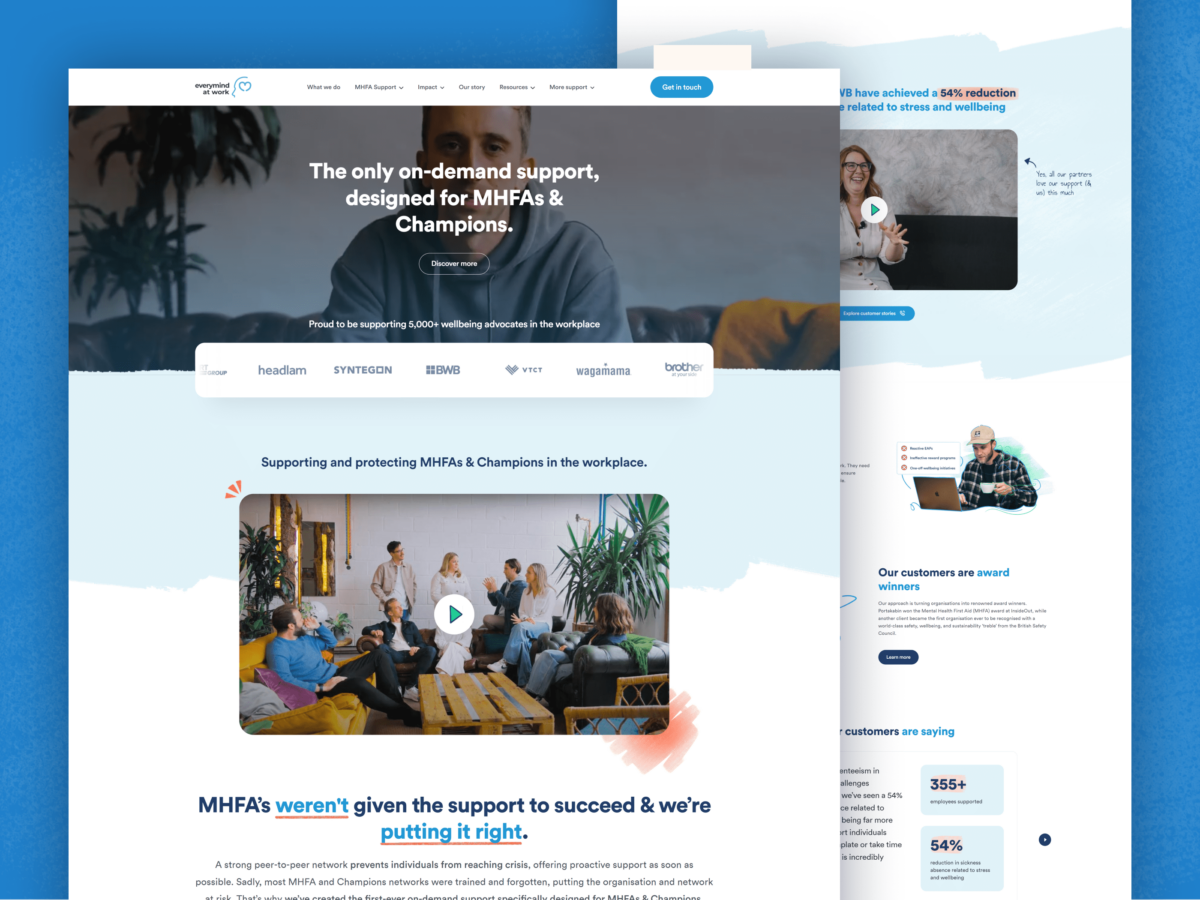
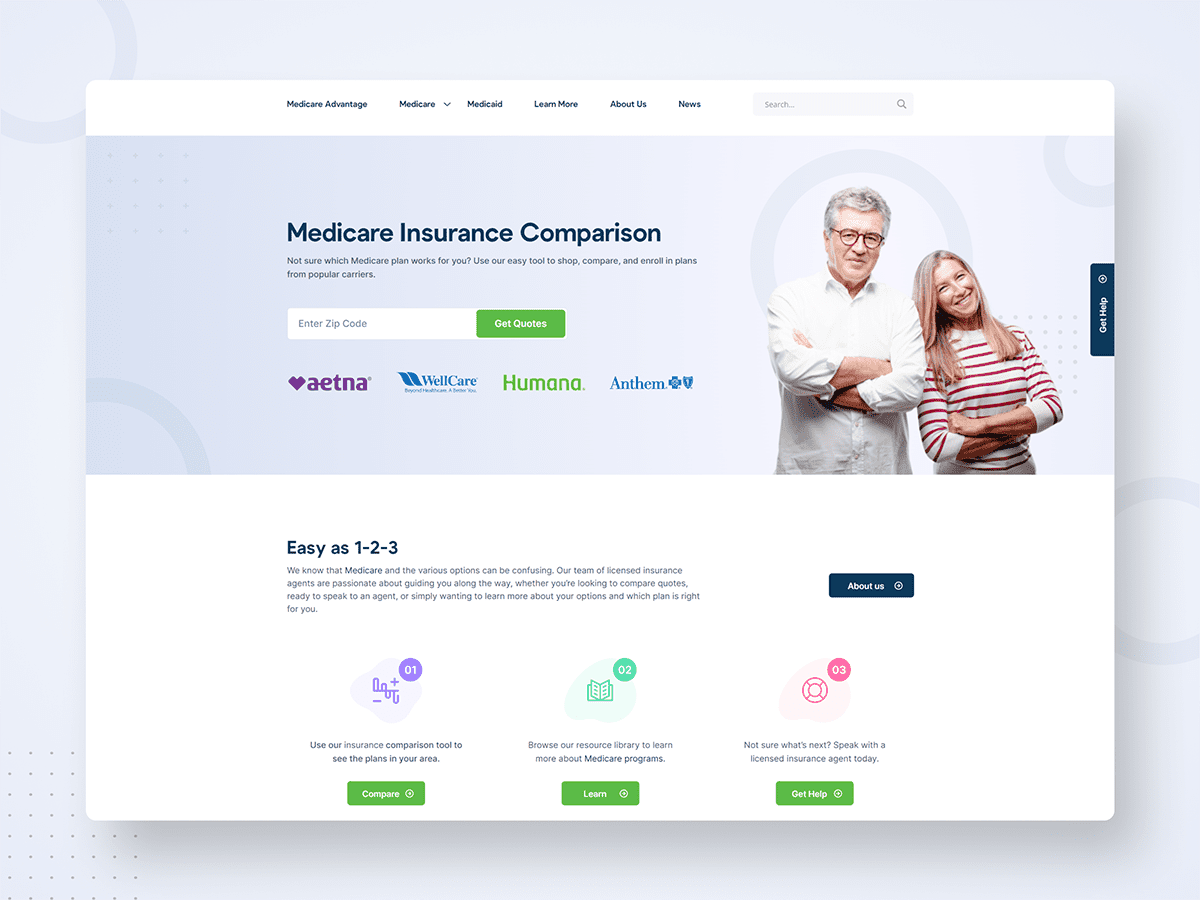
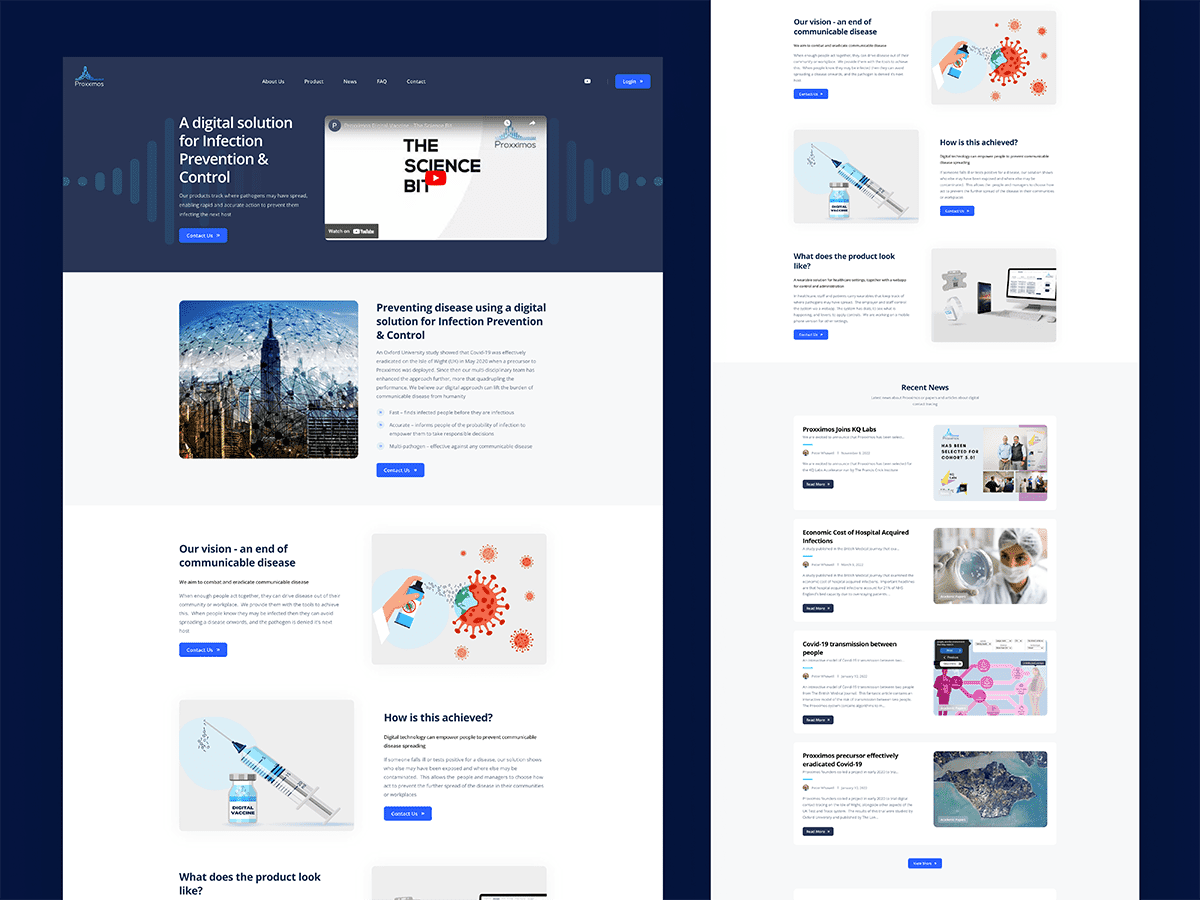
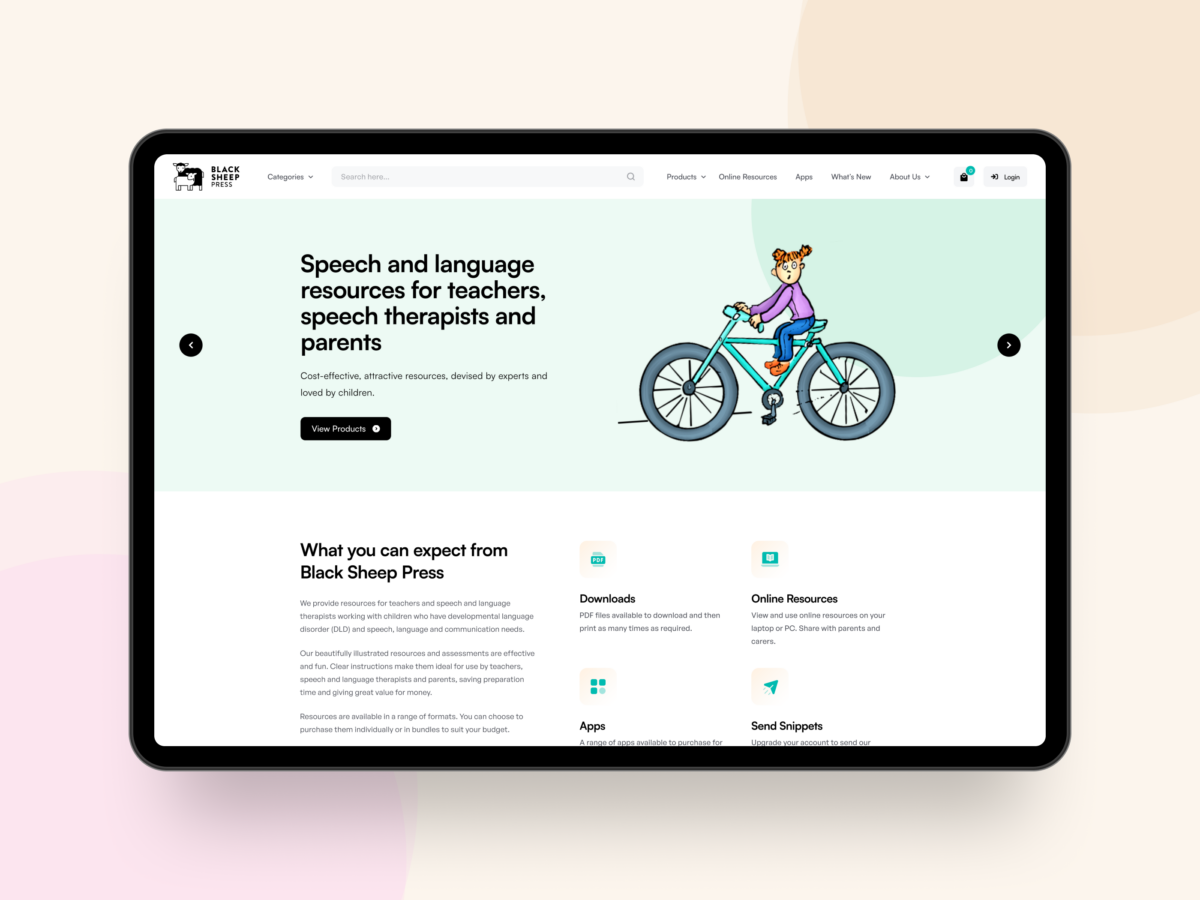
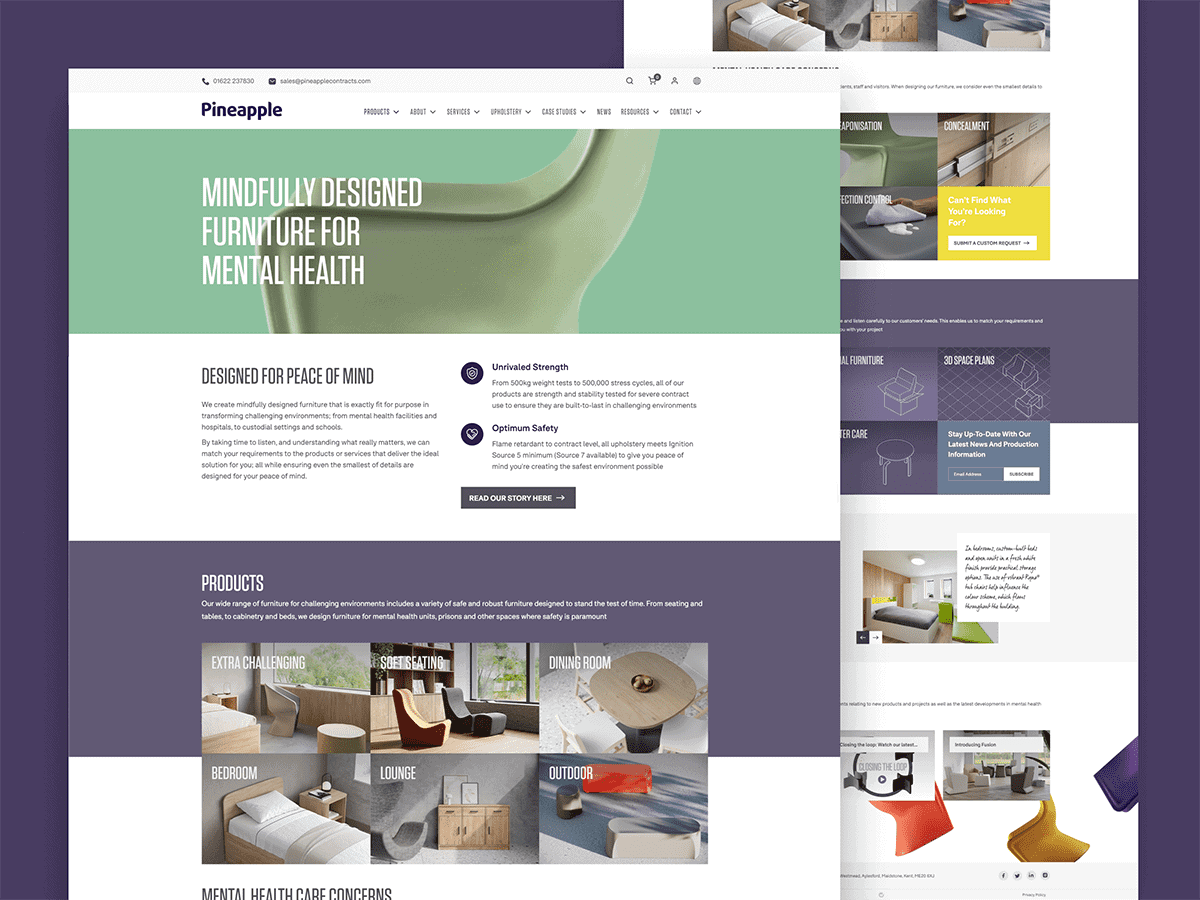
Relevant project work across structured content, local journeys and enquiry-led websites.
Home Care Services We Build Websites For.
Home care website support for providers needing service clarity, authority signals and enquiries.

Domiciliary Care Agencies
Websites that explain visiting care, personal support, service areas and enquiry steps clearly for families comparing local providers online.

Live-In Care Providers
Live-in care websites that present round-the-clock support, assessment steps, reassurance and long-term options people can weigh up.

Visiting Care Services
Structured websites for daily visits, companionship, medication prompts, personal care and support around homes.

Supported Living Providers
Websites that explain person-centred support, independence, referral options and service coverage for families or commissioners.

Specialist Care Providers
Websites for dementia, palliative, learning disability and complex care services where sensitivity, dignity and trust matter quickly.

Multi-Branch Care Companies
Scalable care company websites with service area pages, location templates and consistent content across multiple regions.

Why Work With Webpop Design For Home Care Websites.
Choosing the right home care web design partner matters, because your website has to win trust, local visibility and enquiry quality at once. We plan bespoke websites focused on genuine family decision points, service architecture, location content, CQC visibility, reviews, callback forms and publishing control, not surface-level presentation or recycled care-sector messaging.
You work directly with senior designers and developers who understand structured content, conversion-focused layouts, WordPress theme development, SEO migration, performance and custom functionality. The result is a credible, easy-to-use website that helps families understand services, gives referrers a clearer way to get in touch and gives your team real flexibility to manage updates properly.
Request Your ProposalWeb Design Recognition & Credentials.
Listed across trusted web design, website development and digital service platforms.












Trusted By Businesses With Serious Websites.
Businesses trust us for careful planning, senior delivery and dependable website support.

Tim Marshall
Allegiant Finance

Emma Griffiths
Synchtank

Emily De Jesus
LS Tractor USA

Alan Harder
Tango Financial

Dan Garner
Xibo
Home Care Website Tools, Software & Integrations.
Home care agencies run separate systems for care planning, enquiries, recruitment and reporting. Webpop Design plans your website around those tools, so forms, notifications, tracking and enquiry handling fit how your team already works.
Our team regularly plans around Access Care Planning, Birdie, CarePlanner, PASS by everyLIFE, Nourish, Log my Care, HubSpot, Salesforce, Zoho, Mailchimp, Google Workspace, referral forms, callback forms, recruitment forms, live chat, analytics and CRM handover. What we can connect depends on the platform, API access, licensing and consent requirements.




















Frequently Asked Questions.
Answers to the most useful questions home care providers ask before beginning a website build with Webpop Design.




How much will a home care website cost?
A bespoke home care website usually starts from around £8,000+, depending on services, locations, enquiry options and content volume. A single domiciliary care provider may need fewer pages than a multi-branch care company with service area pages, referral forms, recruitment content, CRM handover, migration planning and a more involved approval process before launch.
How long can a home care website take to build?
Most home care website projects take around 10–12 weeks, depending on content readiness, stakeholder feedback, service pages, location structure and integrations. Providers with multiple branches, CQC content, referral forms, recruitment pages or care software touchpoints may need longer, because those journeys need proper planning before design, development, testing, internal approval and final launch sign-off.
What should a home care website show before a family enquires?
Before enquiring, families usually need to understand available care, service coverage and what happens after they make contact. We build pages that answer practical questions about visits, assessments, dementia support, team reassurance, CQC information, reviews and callback options, so the enquiry arrives informed rather than rushed, vague or pressured when relatives are involved.
Should we have separate pages for each home care service?
Yes, because families do not compare every care service in the same way. We build separate pages for domiciliary care, live-in care, companionship, personal care, dementia support, respite care and supported living, so each one explains suitability, next steps, local relevance and trust markers clearly before a family makes contact.
Do home care agencies need local area pages?
We build location pages when your care team covers multiple towns, boroughs or regions. They help families check whether you provide care nearby, support more specific local searches and give each area proper context, rather than forcing every visitor through one generic service page that feels vague, thin or less reassuring.
Can you include CQC information and reviews?
Yes, CQC ratings, inspection links, testimonials, accreditations and team information can be built into the website structure. The aim is to make reassurance easy to find on service, location and enquiry pages, without presenting the website itself as a guarantee of compliance, approval or future inspection outcome for families making a sensitive care decision.
Can the website handle referrals as well as family enquiries?
Yes, a home care website can include separate forms for family enquiries, professional referrals and callbacks. Referral forms may need space for service needs, urgency, location, contact details and supporting notes, while family forms should stay simple enough for anxious visitors completing them under pressure or sharing details with relatives before making contact online.
Can you connect our website to care software or a CRM?
We can plan CRM handover and care software touchpoints where the platform supports it. That may include Access Care Planning, Birdie, CarePlanner, PASS by everyLIFE, Nourish, HubSpot or Salesforce, depending on APIs, documentation, licensing, consent requirements, data fields, existing workflows and the technical route confirmed during scoping before development or integration work is agreed.
Will a redesign affect our existing home care SEO?
A redesign should be planned around protecting search rankings, pages and enquiries you already have. We review existing URLs, service pages, location pages, content quality and technical issues, then plan redirects, page structure and migration carefully so the new site improves clarity without discarding useful search signals or confusing families after the redesign goes live.
Can the website support home care recruitment?
Yes, recruitment pages can sit alongside the family enquiry journey without confusing it. Care role pages can explain values, expectations, locations, application steps and benefits for carers or support workers, while the main care pages stay focused on families, referrers and people arranging support at home.
Start A Home Care Website That Turns Family Trust Into Better Enquiries
Start a conversation with Webpop Design about a home care website that helps families compare services, check coverage, review CQC information and request callbacks, while supporting referrals, recruitment, content updates and enquiry handover.
Start Your ProposalIndustries We Support.
Explore related services for care providers with complex content and enquiry needs.
-
 Aerospace
 -
 Banks
Banks -
 Car Dealerships
 -
 Charities
 -
 Churches
 -
 Construction
 -
 Corporate
 -
 Dating Agencies
 -
 Dental Practices
 -
 Entertainment
 -
 Estate Agents
 -
 Farm Shops
 -
 Finance
 -
 Florists
 -
 Garden Centres
 -
 Government
 -
 Healthcare Providers
 -
 Higher Education
 -
 Home Care
 -
 Hospitals
 -
 Hostels
 -
 Hotels
 -
 Industrial Companies
 -
 Insurance Firms
 -
 Law Firms
 -
 Libraries
 -
 Locksmiths
 -
 Membership Websites
 -
 Model Agencies
 -
 Theatres
 -
 Pubs & Bars
 -
 Recruitment Agencies
 -
 Removal Companies
 -
 Restaurants
 -
 Retailers
 -
 Schools
 -
 Self Storage Companies
 -
 Small Businesses
 -
 Tattoo Studios
 -
 Travel Agents