
Custom WordPress Theme Development
We build bespoke WordPress themes for businesses that need a cleaner, faster and more practical alternative to off-the-shelf themes or page builders. Each theme is structured around your page templates, editing needs and long-term flexibility, with reusable sections and a CMS your team can manage confidently.
View Our Work Get a Quote


Built Around Templates, Fields & Reusable Sections.
Our custom WordPress theme development service builds your theme as a complete system: the templates, fields, content sections and editing controls that decide how easily your team manages the site after launch. Once the WordPress web design direction is agreed, we organise development around your content and the pages you will add in future, not those going live at launch.
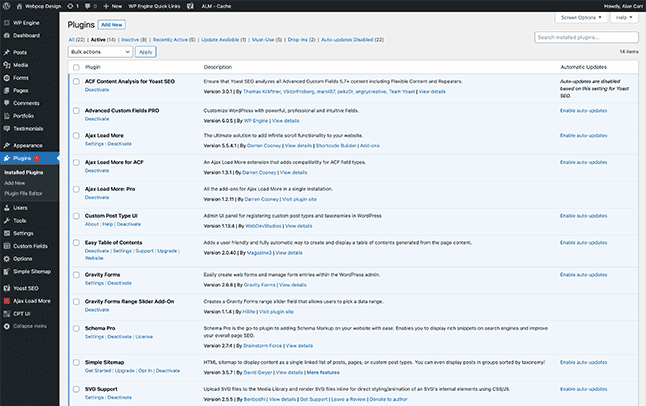
Each custom theme can include reusable page sections, service templates, case study layouts, team profiles, landing pages, resource areas and other content types your business needs. These are built using clean theme code, ACF fields or native blocks where appropriate, so editors can create useful pages without letting layouts become inconsistent.
You get a bespoke WordPress theme that works for visitors on the front end and for editors behind the scenes. Your team can update content, create new pages and reuse approved sections without relying on us for every routine change.
Ask for a Proposal
What's Included in Our WordPress Theme Development Service.
We build the site foundation, including templates, fields, sections and editing controls, so your team can manage it after launch.

Theme Architecture & Setup
Theme structure is planned, covering templates, files, content types and reusable sections. This gives the build a foundation, avoids workarounds and makes future templates, content areas or editing controls easier.

Custom WordPress Templates
Bespoke templates cover service pages, landing pages, case studies, resources, team profiles and articles. Each template supports consistent design, clear content hierarchy and reliable WordPress editing.

ACF Flexible Content
Where needed, Advanced Custom Fields creates reusable site sections. Editors can update text, images, calls to action and sections without making layouts inconsistent or difficult to manage.

Reusable Blocks & Sections
Reusable theme sections and suitable custom blocks help your team build pages from approved components. Testimonials, FAQs, feature panels, content rows and calls to action can be reused without making every page one-off.

Responsive Front-End Development
Every theme is coded for desktop, tablet and mobile, with spacing, typography, navigation and interactions checked at each breakpoint. Rather than forcing layouts onto smaller screens, the theme stays usable wherever viewed.

Performance & Maintainable Code
The theme stays lightweight by avoiding page builder output, unused scripts and plugin-heavy workarounds. You get cleaner code, faster loading, stronger foundations and easier maintenance.

Theme Rebuilds & Page Builder Migration
If your current site is slow, difficult to edit or weighed down by a heavy page builder, we rebuild it as a cleaner custom theme with stronger templates, simpler controls, faster loading and a maintainable codebase.

CMS Editing & Handover
WordPress CMS is structured so your team can update pages, reuse sections and manage content confidently. Handover keeps routine changes simple without small updates needing support.
What Goes Into Building a Custom WordPress Theme.
Our custom WordPress theme development service builds the system that controls your site’s templates, layouts, editing fields and front-end behaviour. It turns an approved design and content plan into a working theme your team can manage, extend and improve after launch. The work sits behind the visible design: the part that decides whether the site is straightforward to run a year on, not just good to look at on launch day.
For Webpop Design, a custom theme is planned around how your business manages content. Service pages, landing pages, case studies, posts, team profiles, FAQs and calls to action all need editing controls that match their purpose, so your team can update the site confidently without weakening the design. Those controls are set up differently for each content type, because the fields a case study needs are not the fields a service page does.
We do not start from a pre-made theme and adjust it to fit. Each theme is built around your content model, approved layouts and long-term requirements, giving you cleaner code, stronger performance foundations and a better base for WordPress page speed optimisation as the site grows. A pre-made theme makes you work around its decisions; yours is planned around how you work.
How We Build Your Theme.
Every theme follows a clear eight-stage process, from planning and architecture through to testing, launch and handover.

Research & Discovery
The project starts by understanding what the theme needs to support, including page types, content structure, editing requirements, performance needs and any issues with the current setup. This gives the work a clear technical direction before development begins, so the theme is planned around actual content and long-term needs.

Theme Planning & Architecture
Before writing code, we plan the theme structure, template hierarchy, custom post types, reusable sections and field requirements. Getting this right early lets us add new pages, layouts and content areas later cleanly, safely and with less rework, without rebuilding parts of the theme to make them fit.

Custom Template Development
Core WordPress templates are built around the approved layouts and content needs of the site. Each template is developed around spacing, hierarchy, responsiveness and reusable components, so the theme stays consistent across service pages, landing pages, posts and other key content types.

Responsive Front-End Build
The front end is built at each breakpoint from the start, with layouts tested on real screen sizes rather than squeezed down from desktop afterwards. Navigation, spacing, typography, buttons, images and interactive elements are checked at each size, so the theme stays usable and reliable on every device.

CMS & ACF Setup
The theme is connected to WordPress using structured fields, flexible content areas and reusable editing controls where needed. This gives your team a practical CMS setup for managing text, images, calls to action, page sections and repeatable content without breaking the layout or relying on a developer.

Performance Review
While the theme is in build, we review code, assets, images, database queries and front-end behaviour to catch bottlenecks before launch rather than after. Fixing performance during the build, instead of bolting optimisation on later, lets the theme ship with stronger foundations and less bloat.

Testing & Quality Assurance
Before the website goes live, the theme is tested across major browsers, devices and screen sizes, checking layout consistency, forms, navigation, editing controls, responsive behaviour and key templates. We also review real content inside the CMS, because a theme needs to work properly for editors as well as visitors.

Project Handover & Launch
Once the theme is approved, we manage launch and check the live site straight after deployment, and flag anything that needs attention. We then provide a clear handover so your team understands how templates, fields and reusable sections work, making day-to-day content updates easier after launch.
Custom WordPress Themes Built in London.
Our custom WordPress theme development service is built around the components your business actually needs. Page builders like Elementor and WPBakery can load a site with features you will never use, slowing pages down and cluttering the admin for the people managing it. We build the opposite way. Across 300+ projects, we have refined a method where every component has a defined role, so each page loads only the code it needs, stays lightweight and fast, and gives your team a back end that is as straightforward to manage as the front end is to use.
Advanced Custom Fields gives each theme flexible page templates and reusable drag-and-drop components, planned around the content you need now and the pages you are likely to add later. That structure helps the site scale without becoming messy or inconsistent. It is also what allows clients to add pages and sections themselves, rather than raising a ticket every time the business changes. You work in a WordPress system built specifically for your content, not a generic template forced into shape.
Because we build the foundation properly, the theme can be extended again and again without the costly redesigns many businesses face every few years. New sections, refreshed layouts and custom plugin functionality can be added as the business grows, all on the same structure. The site you launch with becomes the site you keep improving, rather than one you outgrow and replace.
Recent WordPress Theme Projects.
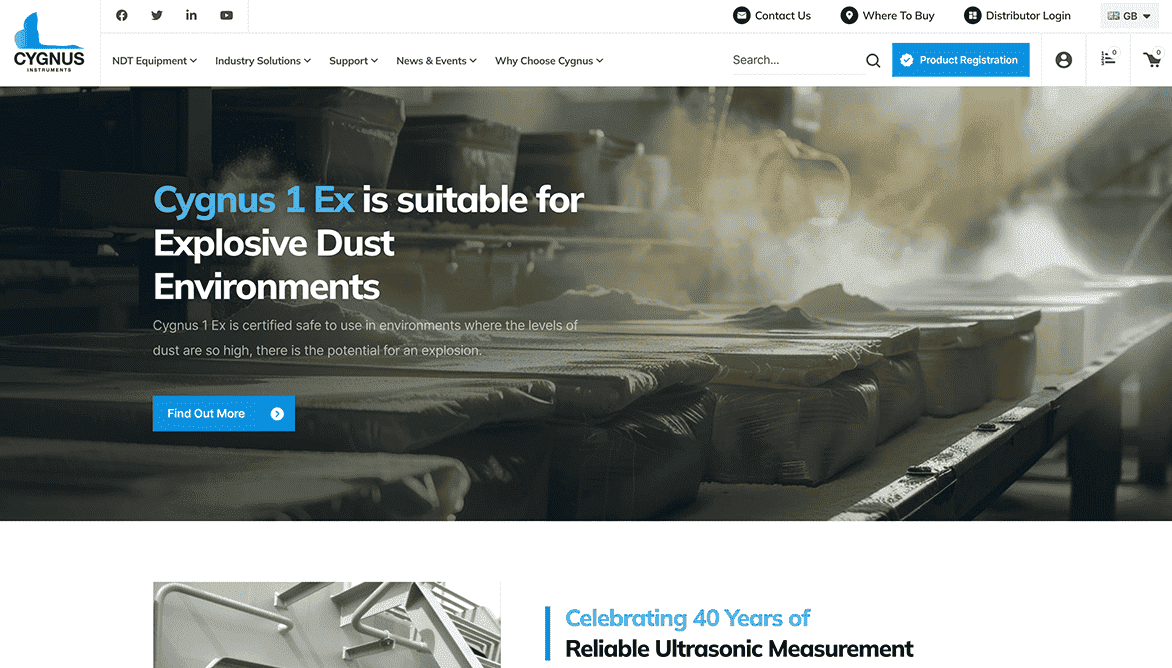
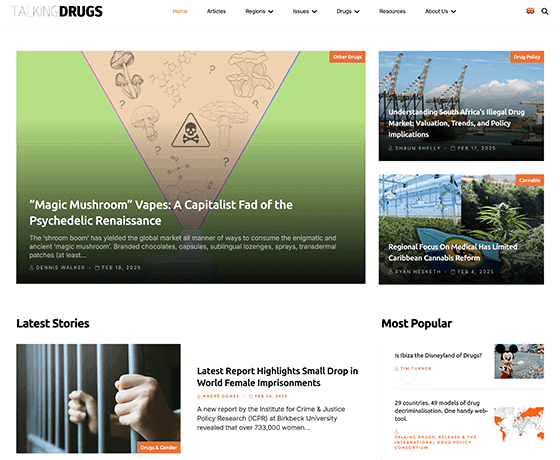
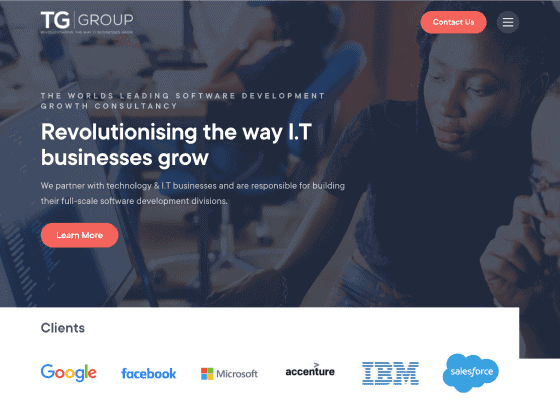
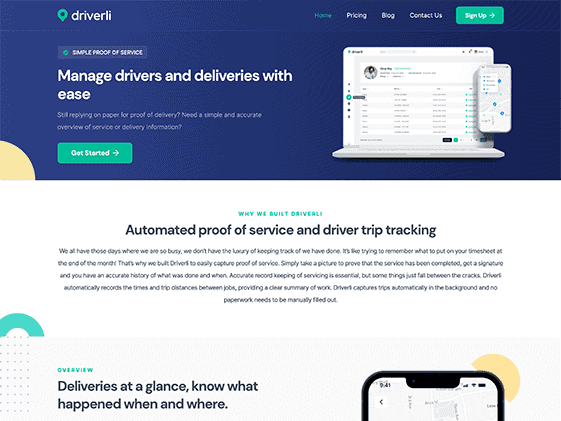
Bespoke WordPress theme projects showing custom themes built around content, ecommerce and easy site management.

Performance Marketing Website With Content Hub
Custom-built templates showcasing services, clients, and a content hub with podcasts, reports, and insights for the agency.
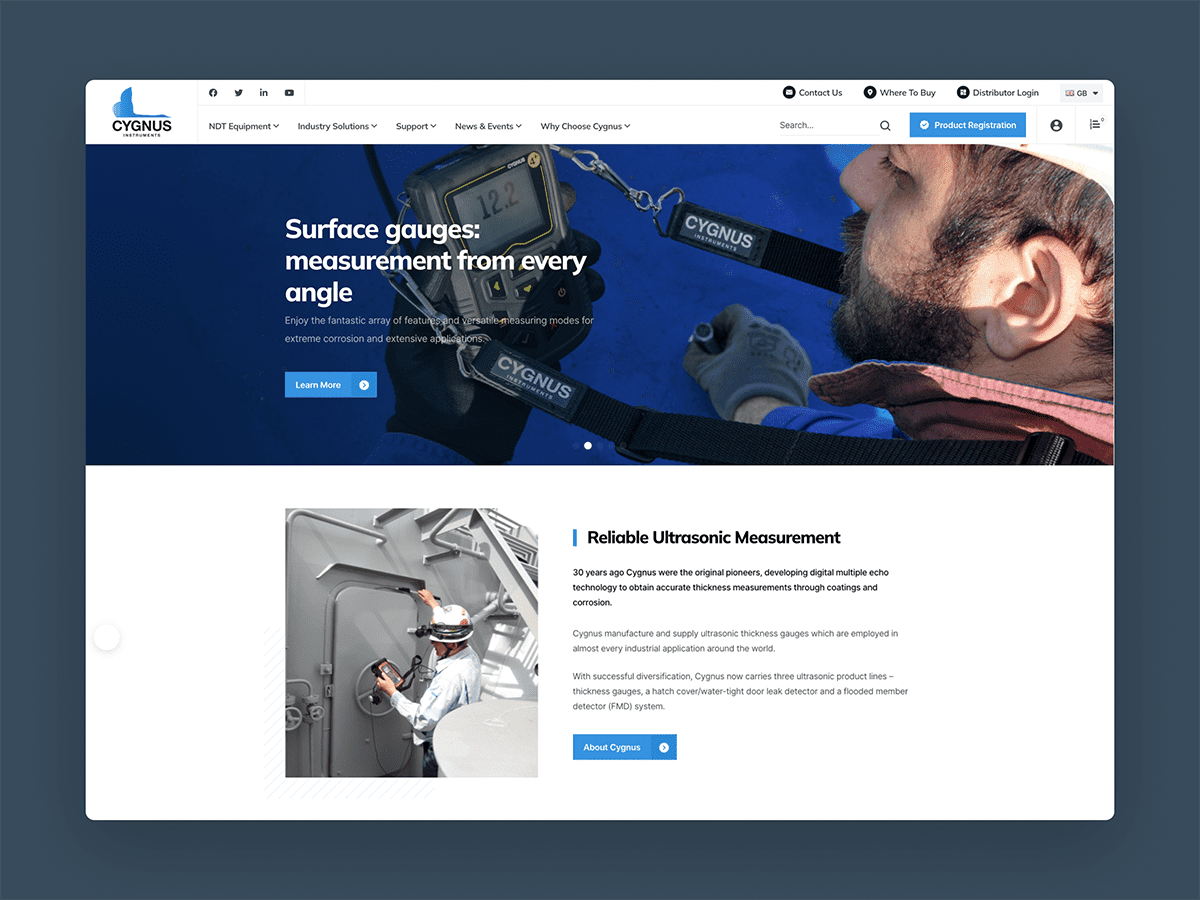
Ecommerce, Distributor Portal & Quoting System
Industrial tooling theme built for B2B ecommerce, distributor access and an online quoting system for trade customers online.
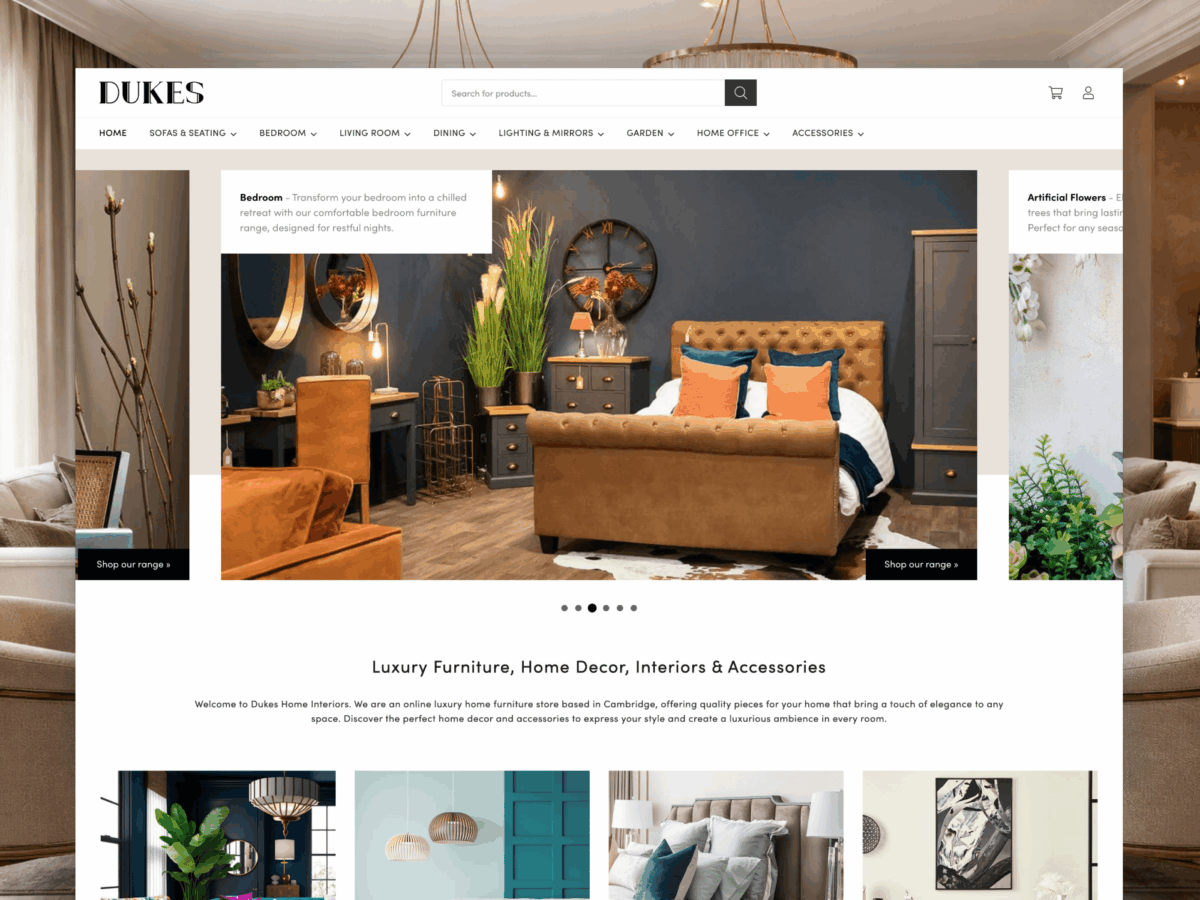
Luxury Furniture Ecommerce Theme
Bespoke WooCommerce build improving product browsing, brand presentation and online sales across the brand's key collection pages.
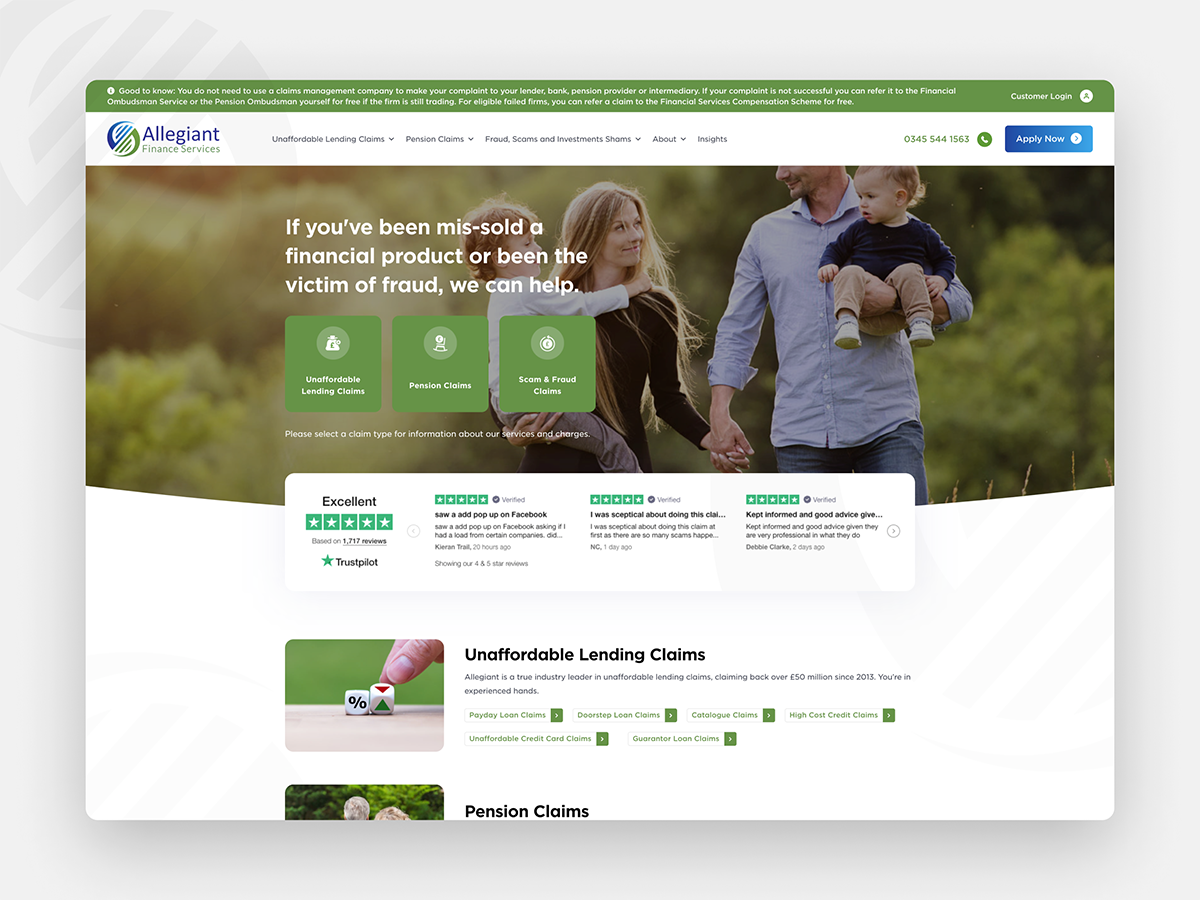
Finance Theme With Structured Service Content
Claims management theme with structured service content, stronger trust signals and simpler enquiry routes for prospective finance clients.
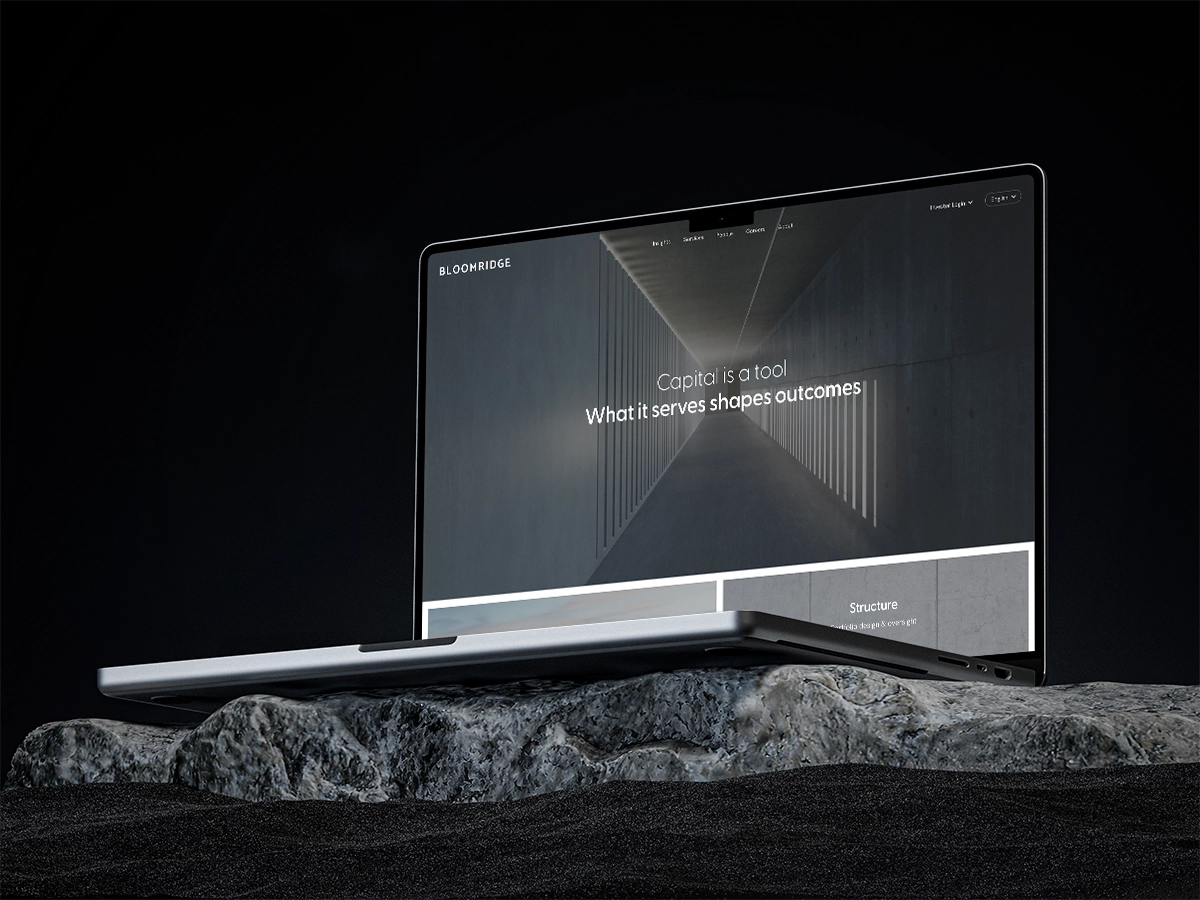
Minimal WordPress Theme With Clearer Content Structure
Minimal bespoke WordPress theme with a cleaner content structure and a simpler client experience across key company pages.

Food Supplier Website With Trade Enquiry Flow
Food manufacturing theme presenting products, sectors and clearer enquiry routes for trade and retail buyers across the site.
Awards & Recognition.
Recognised across respected web design, development and digital industry platforms












What Clients Say About Our WordPress Work.
Feedback from clients who trust Webpop Design to build reliable, well-structured WordPress themes.

Doug Atkinson
Solutions Review

Rachael Hughes
Black Sheep Press
Rob Fever
Pineapple Contracts

Thubten Damcho
Thubten Chodron

Tim Marshall
Allegiant Finance
WordPress Theme Integrations & CMS Structure.
We connect templates to structured fields, custom post types, reusable sections and editing controls, so your team can manage pages, case studies, resources, products, FAQs and calls to action from a CMS that fits.
Where the project needs more than standard theme functionality, we can integrate Advanced Custom Fields, WooCommerce templates, custom Gutenberg blocks, APIs, forms, CRM tools or bespoke plugin functionality. The aim is to keep the theme lean and practical, with the right functionality connected properly rather than added through unnecessary plugins. This gives the site room to grow without becoming fragile as your content and systems evolve.
























Ready to Build a Better WordPress Theme?
Send us your brief and we’ll review your theme requirements, content structure and technical needs before giving you a clear plan, fixed quote and timeline. You’ll know what is being built, how the CMS will work and what your team can manage after launch.
Get a ProposalFrequently Asked Questions.
Clear answers to common questions about custom WordPress themes, rebuilds, editing control, performance and long-term maintenance.




What is custom WordPress theme development?
Custom WordPress theme development is the process of building the theme structure that controls how your website looks, works and is edited. It can start from approved layouts, including Figma, Sketch, Adobe XD and PSD files, but the focus is the WordPress theme itself: templates, responsive code, reusable sections, content fields and CMS control.
What is included in a custom WordPress theme?
A custom WordPress theme usually includes page templates, responsive front-end code, reusable sections, content fields, navigation styling, archive layouts, blog templates and CMS editing controls. The exact scope depends on the site, but the aim is always the same: a well-structured, manageable theme built around how your content needs to work.
Is a custom WordPress theme better than using a page builder?
For many serious business websites, yes. Page builders can be useful for quick or budget-led sites, but they often add extra code, layout restrictions and long-term editing problems. A custom theme is shaped around your own templates, content and performance needs, which usually makes it cleaner, faster and easier to maintain over time.
Can you rebuild an existing Elementor, Divi or WPBakery site?
Yes. We can rebuild an existing page-builder site as a cleaner custom WordPress theme, keeping the content and structure that still works while replacing the parts that slow the site down or make editing difficult. Before development starts, we review your current templates, URLs, content, rankings and key user journeys so the rebuild is mapped out before any code changes.
Will my team be able to update the website?
Yes. A custom theme should not leave you dependent on a developer for every small change. We structure the CMS using clear fields, reusable sections and sensible editing controls, so your team can update pages, images, calls to action, case studies, resources and other content without breaking the layout.
Do you use ACF or Gutenberg blocks?
We use the approach that best suits the project. Many custom themes work well with Advanced Custom Fields because it gives editors structured control without opening up the whole layout. For some projects, native Gutenberg blocks or custom blocks make more sense. The important part is choosing an editing setup that is clear, stable and practical for your team.
What belongs in the theme and what belongs in plugins?
A good custom theme should control the website’s templates, layouts, styling, reusable sections and editing structure. More complex functionality, such as portals, calculators, integrations or advanced workflows, is usually better handled through custom plugin development so the theme stays lean, maintainable and easier to update.
How much will a custom WordPress theme cost?
The cost depends on the number of templates, editing requirements, content types, responsive states, integrations and any rebuild work involved. A small custom theme costs less than a large site with WooCommerce templates, custom post types, advanced filtering or API work. Once we have reviewed your brief, we provide a fixed quote with a clear scope and timeline.
How long can custom theme development take?
Most custom WordPress theme projects take several weeks rather than a few days, because the work includes planning, theme architecture, template development, CMS setup, responsive testing, QA and launch support. The exact timeline depends on the size of the site, how complete the designs are, and whether we are rebuilding an existing WordPress setup.
Can you protect SEO during a theme rebuild?
Yes. A theme rebuild has to be planned so existing rankings, URLs, internal links, metadata and content structure survive the move intact. We review the current site before development, preserve what is working, set up redirects where needed and test key pages before and after launch. The aim is to improve the theme without creating avoidable SEO risk.