
Healthcare Web Design
Healthcare web design for clinics, consultants and healthcare organisations that need a patient-facing website centred on trust, clarity and bookings. Webpop Design creates structured healthcare websites with treatment pages, clinician profiles, locations, enquiry forms, patient resources, FAQs, performance and practical editing control.
View Our Work Get a Quote

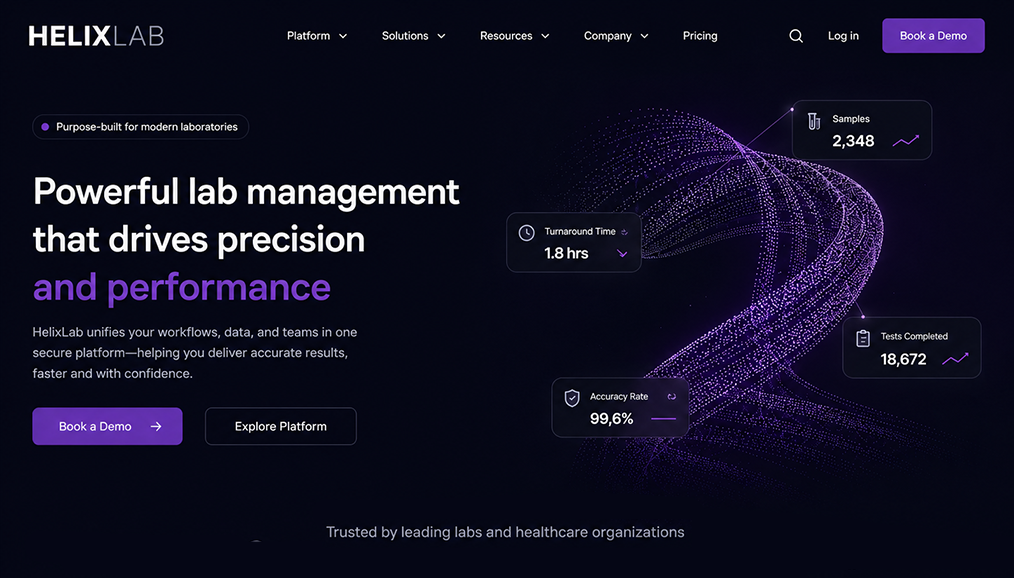


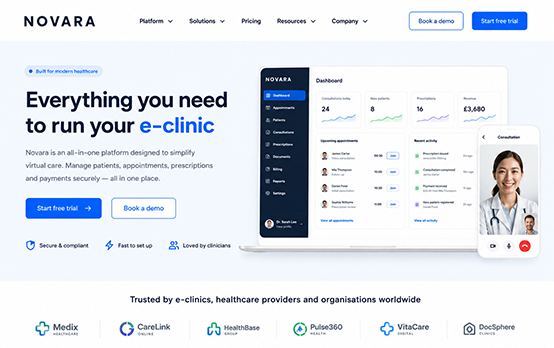
Patient-Facing Websites for Clinics, Consultants & Specialists.
For healthcare providers, a website has to move a worried patient from hesitation to a confident enquiry. We organise service information, condition guidance, clinician credentials, clinic details, reviews, fees and contact options so patients, carers and referrers can judge the provider and act without second-guessing.
The design needs to reassure without making patients hunt for the next step. Clear navigation, accessible layouts, mobile performance, secure forms and visible booking paths help your team convert more enquiries and waste less time on calls that go nowhere.
Webpop Design brings this together through strong visual direction, considered UX planning, careful content architecture, performance-conscious development and a build that your team can update without breaking.
Begin Your Project
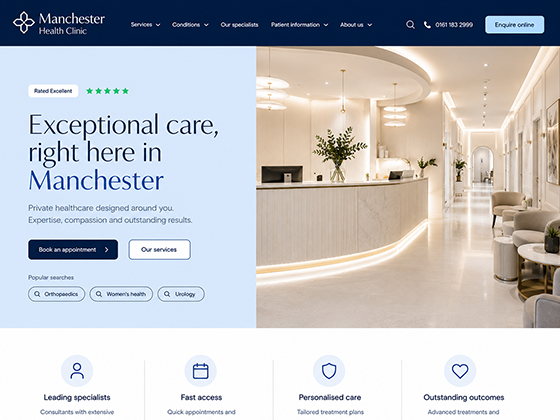
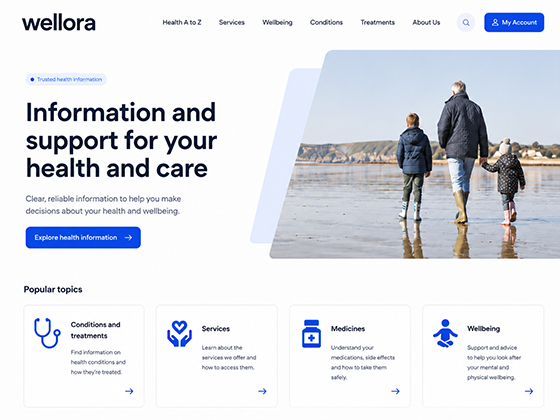
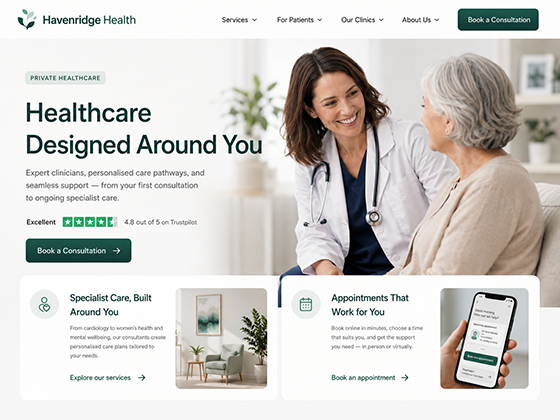
What Patients, Referrers & Healthcare Teams Need Before They Act.
Patients may be trying to understand symptoms, compare treatment pathways, check a consultant’s credentials, find the right clinic, confirm fees, read reviews or decide whether to share sensitive details. Experience across 300 custom websites helps shape journeys where each of those questions gets answered before it stalls the enquiry.
Referrers, insurers and professional contacts need a different kind of clarity. They need to understand service scope, clinician experience, referral pathways, reports, contact details and process information quickly, so they can judge whether a clinic, consultant or specialist practice is appropriate for the patient’s needs, or move a referral forward without unnecessary back and forth between teams.
Clinic teams need the same website to work behind the scenes. Key information, appointment options, staff details, review content and patient guidance should stay easy to update, whether the organisation is a single specialist clinic, a multi-site clinic group or a growing private practice with several clinicians.
How We Build Health Care Websites.
A structured process for healthcare providers needing patient trust, service clarity, booking pathways and long-term flexibility built in.

Research & Discovery
The project begins by understanding your clinic, services, audiences, locations, enquiry options and existing content. This includes reviewing how patients search, compare clinicians, request appointments, share sensitive details and move between key pages, so the website can be planned to reflect actual patient and referrer behaviour.

Direction & Planning
The structure is shaped around how patients compare services, check credentials and decide what to do next. We map the main journeys through the website, from concerns and service discovery to clinician choice, referral details and appointment requests, creating a clearer framework before design begins.

UX & User Journeys
Wireframes turn the agreed structure into practical page journeys. We plan how patients move from a concern, recommendation or clinic search towards useful information and clear next steps, while giving internal teams consistent layouts for key content, staff pages, guidance, authority signals and future updates.

Bespoke Design
The visual design is created in Figma, with a measured direction suited to sensitive patient choices. Typography, spacing, imagery, profile presentation, treatment content, trust markers and calls to action are planned together, so the website feels credible without tipping into a cold corporate look or feel.

Development & Technical Build
The design is developed into a responsive, performance-conscious website with clean code, accessibility-conscious decisions and secure form planning. WordPress can sit behind the build as the delivery platform, supporting structured templates for clinic content, staff information, proof points, forms and patient resources.

Launch & Handover
Before the launch, the website is tested across key devices, browsers, forms and patient journeys. Your team can then update key information, staff details, reviews, clinic notices, contact details, calls to action and useful healthcare guidance without disrupting the design, weakening structure or slowing future publishing afterwards.
What We Have Learned Building Across Healthcare.
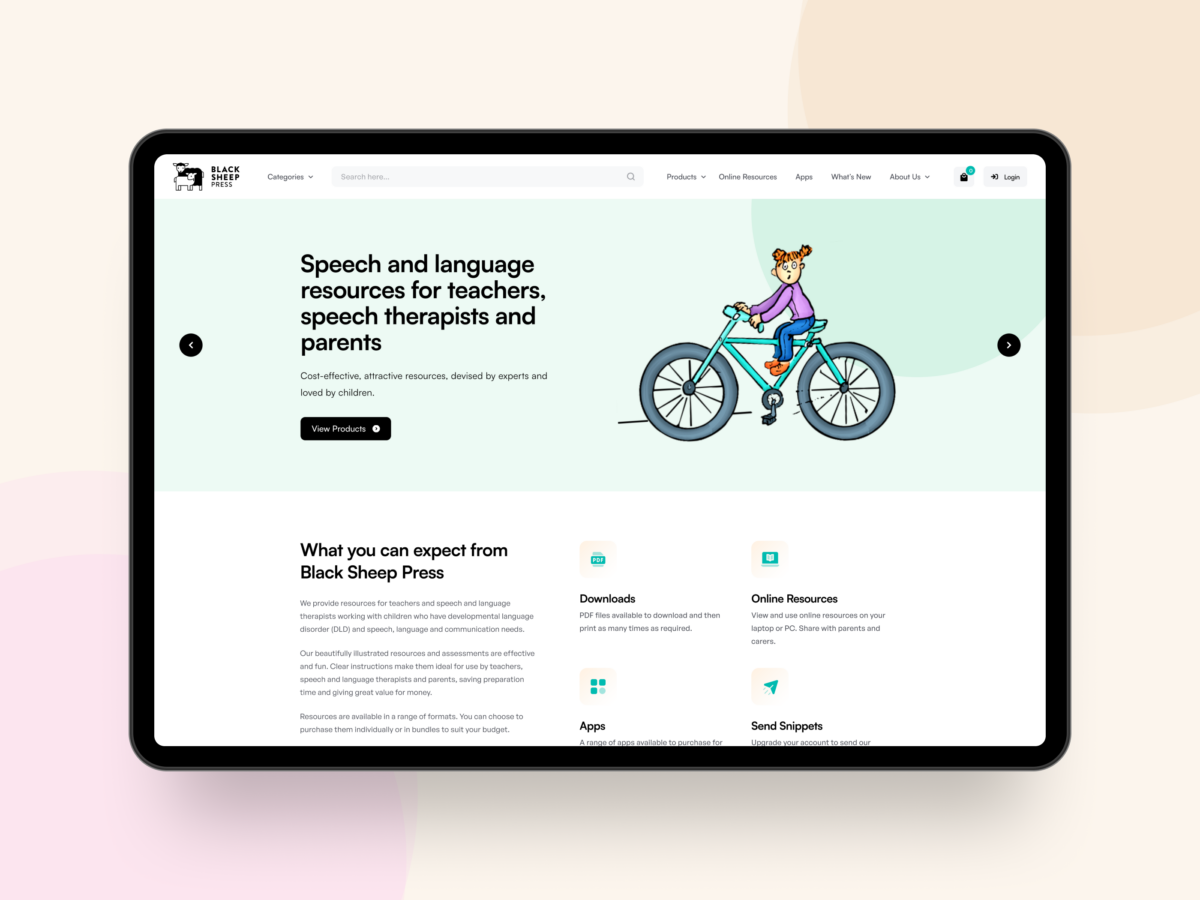
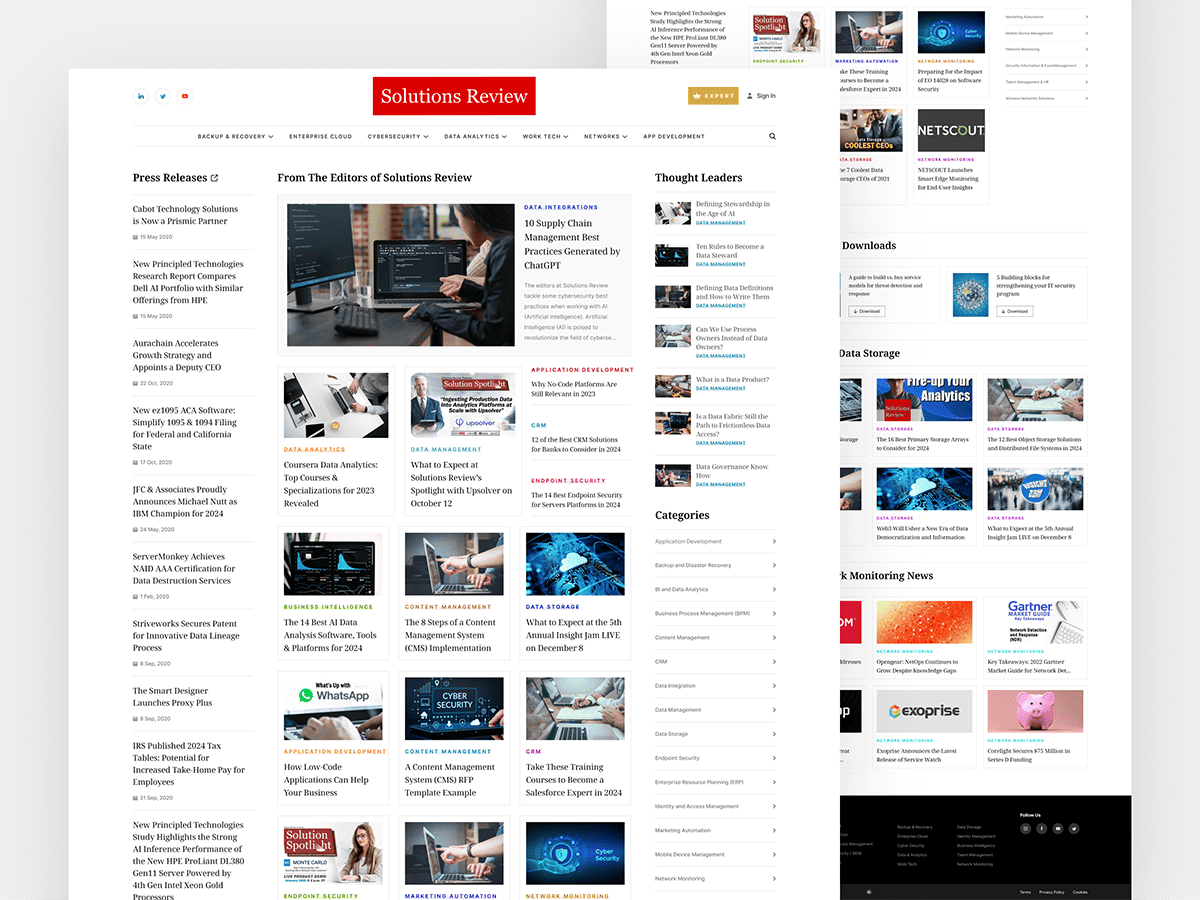
Healthcare is not one type of website. Our work spans the sector, from a mental health platform to biotech companies, speech therapy services and medical insurance providers, and no two have needed the same structure. The questions a patient asks, the proof a provider needs to show and the path to enquiry change completely depending on who the site is for.
This is where generic healthcare templates often fail. A consultant’s site lives or dies on the profile page; a clinic’s depends on locations and booking forms; a platform needs to explain a service patients have never used before. We plan each build around how its specific audience actually decides, rather than dropping a clinic template over a problem it does not fit.
We also build the platform to work behind the scenes. Clinicians need accurate profiles, referrers need clear service scope, practice managers need reliable enquiry options, and internal teams need a clean way to maintain patient information, forms and calls to action. We handle all of that as one website design build.
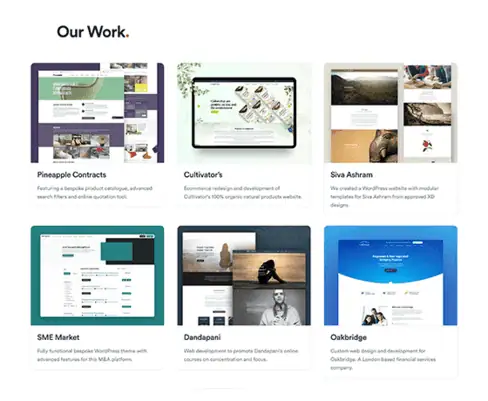
Relevant Bespoke Website Projects.
Relevant work showing structured content, enquiry journeys and seamless bespoke website delivery.
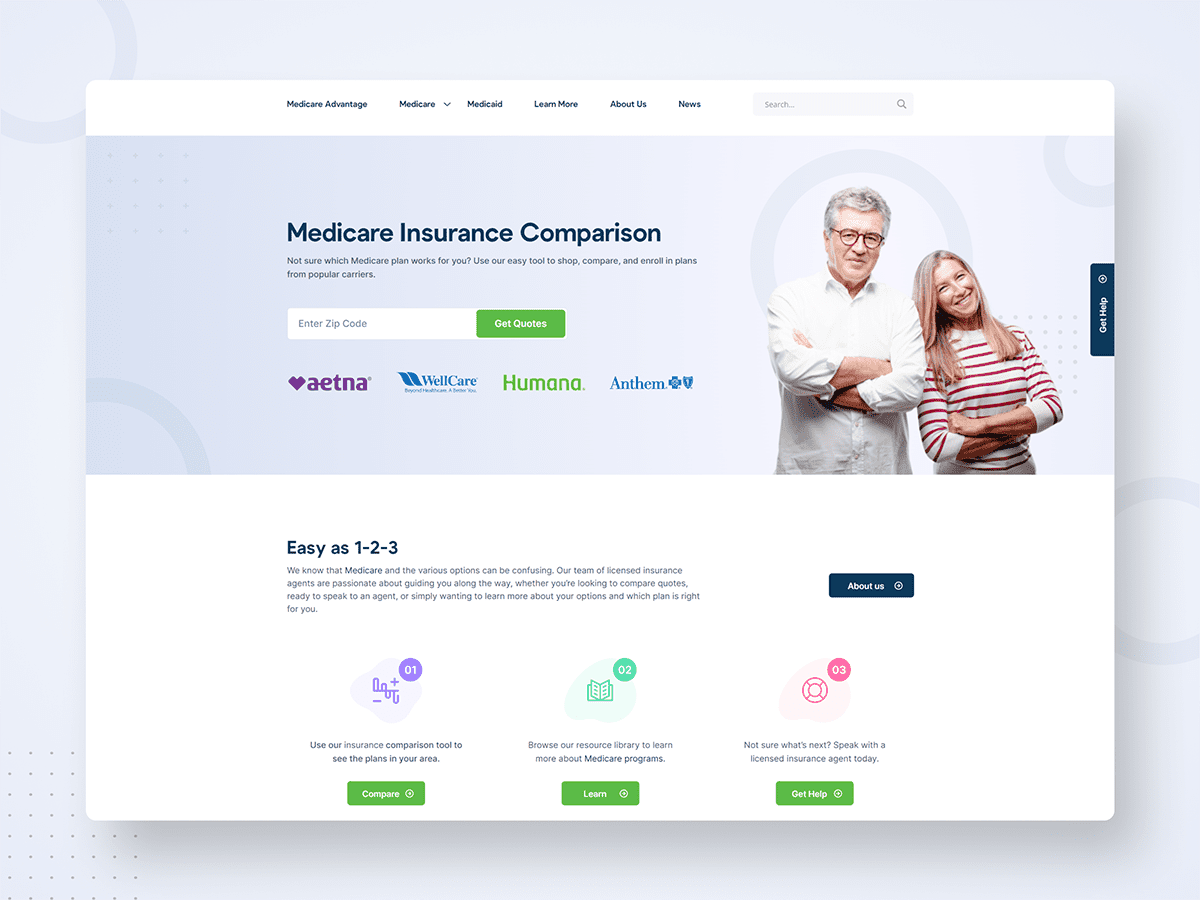
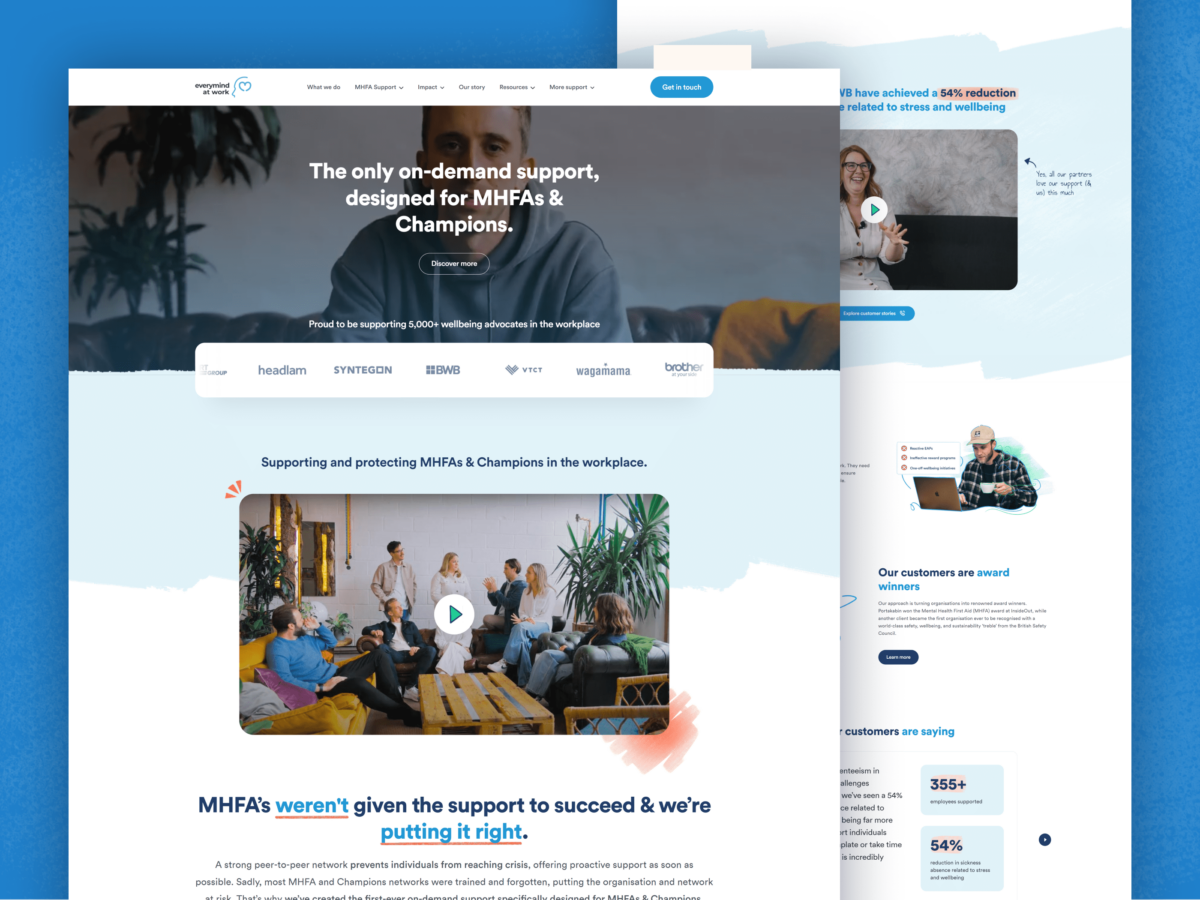
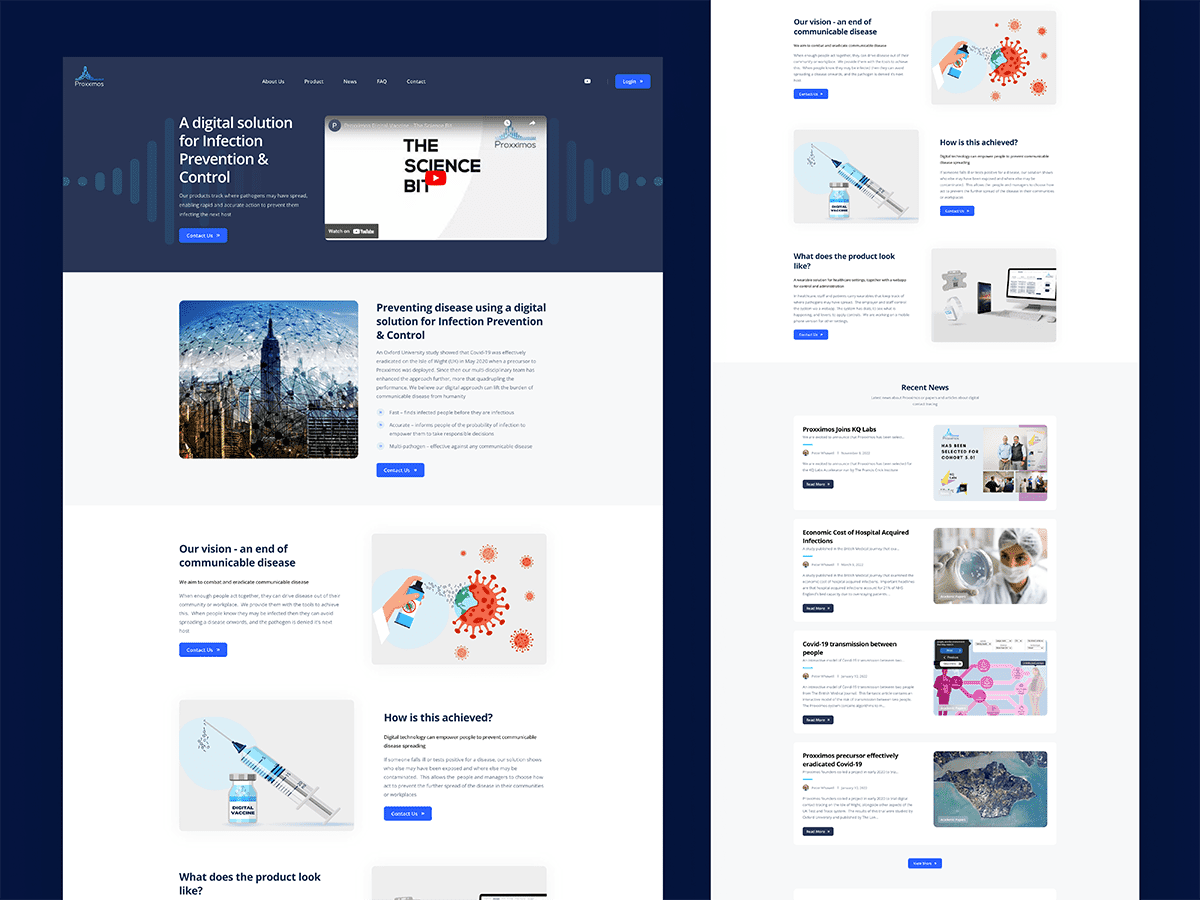
Healthcare Providers We Design Websites For.
Healthcare website design for patient-facing providers with clinic, consultant and specialist practice needs.

Private Clinics
Bespoke websites for clinics needing clear services, practitioner credibility, location details and simple enquiry or booking options.

Medical Consultants
Consultant websites with profiles, credentials, specialisms, clinic availability, patient information and clear appointment pathways.

Specialist Practices
Structured websites for specialist services, helping patients understand treatments, reviews, referrals, credentials and next steps.

Diagnostic Clinics
Websites for diagnostic providers explaining tests, preparation, reports, locations, turnaround times and enquiry options clearly.

Therapy & Psychology Practices
Calm websites for therapy providers, with service clarity, practitioner profiles, FAQs and sensitive enquiry options.

Physiotherapy & Chiropractic
Clinic websites covering treatments, conditions, practitioner experience, locations, availability and appointment booking.

Why Trust Webpop Design for Healthcare Websites.
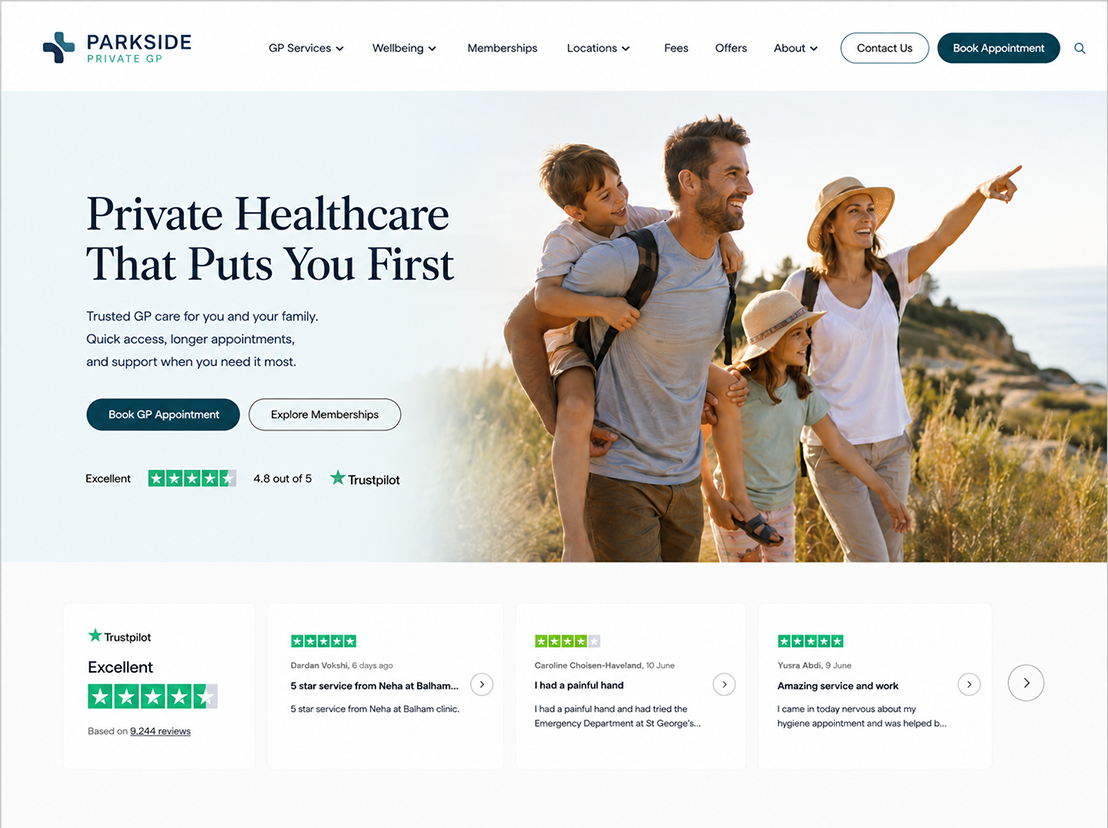
Webpop Design is a strong fit for healthcare providers wanting a site shaped by genuine patient decisions, not generic agency copy. We have built bespoke sites for clinics, consultants and specialist practices, planning design, development, UX and content architecture together so treatments, credentials, locations, booking forms and patient information are presented clearly.
Our experience across bespoke websites, service-led journeys, structured content, secure forms and custom development shapes healthcare websites to reflect real decisions. Treatment pages, condition content, clinician profiles, reviews, FAQs and enquiry paths connect as one journey, while accessibility-conscious choices, performance and editing controls keep the site consistent.
Start an EnquiryDigital Recognition & Credentials.
Recognition across respected web design, development and digital industry platforms.












Client Testimonials for Bespoke Website Projects.
Feedback from clients who trusted Webpop Design with careful planning, sophisticated design and reliable website delivery.

Tim Marshall
Allegiant Finance

Emma Griffiths
Synchtank

Emily De Jesus
LS Tractor USA

Alan Harder
Tango Financial

Dan Garner
Xibo
Healthcare Website Tools, Software & Integrations.
Healthcare websites can be planned around the systems a clinic or consultant already uses, including online booking, enquiry forms, CRM handover, payment options, analytics, review widgets, email sign-ups and referral forms.
Integration requirements depend on the booking platform, PMS, CRM, payment provider, form system, API access, documentation, plugin quality, licensing, privacy requirements and security needs. Where patient portals, clinical workflows or custom booking logic become central, this should be scoped separately, including any bespoke plugin development required.


























Frequently Asked Questions.
Answers to useful popular questions clinics, consultants and healthcare providers ask before starting a website build with Webpop Design.



How much will a bespoke healthcare website cost?
Bespoke healthcare websites often start from around £8,000+, depending on size, structure and build complexity. A consultant website with a few treatment pages differs from a larger clinic website with multiple practitioners, locations, forms, booking journeys, patient resources and integrations. When we understand your services, audience and requirements, we provide a clear staged estimate for the project.
How long will a healthcare web design project take?
Most bespoke healthcare web design projects take around 10–12 weeks from discovery to launch, although larger sites can take longer. The timeline depends on content readiness, practitioner approvals, photography, treatment-page depth, stakeholder feedback, booking tools, form requirements and any third-party systems involved. We map the project into clear stages early on, so your team knows what is needed and when.
Do you build healthcare websites on WordPress?
Yes, WordPress can be a strong delivery platform for healthcare websites that need flexible content management. We usually build custom WordPress themes from scratch, with clean code, fast performance, structured templates and an editing setup your team can use for service content, clinician details, clinic information and patient guidance. If another platform is a better fit, we will say so rather than force the project into WordPress.
Can a better healthcare website improve enquiries?
A well-designed healthcare website can support more relevant enquiries when the design, content structure and patient journey are planned properly. Clear treatment pages, reassuring practitioner profiles, fast mobile performance, visible booking options, reviews, FAQs and secure forms all help visitors understand whether the clinic or specialist is right for them. We do not promise enquiry volumes, but we design around the factors that help patients take the next step.
Can the website be planned around WCAG 2.2 AA accessibility?
Yes. Accessibility-conscious planning can be included from the wireframe stage, covering colour contrast, readable typography, semantic structure, keyboard navigation, clear forms, mobile usability and logical page layouts. If WCAG 2.2 AA is a formal project requirement, it should be scoped clearly with suitable testing and review, rather than treated as a vague design claim.
Can you help with GDPR-aware forms and patient data sensitivity?
Yes. We can plan secure enquiry forms, clear privacy messaging, sensible field choices, cookie considerations and data flows between the website and connected systems. We are not a legal or clinical compliance adviser, so we do not certify GDPR compliance, but we can work carefully with your internal team or advisers to support privacy-aware website planning.
Can you integrate booking systems, CRMs and payment tools?
Yes, where the systems support it. A healthcare website can include booking links, embedded appointment tools, secure forms, CRM handoff, payment options, review widgets, analytics tracking, email sign-ups and patient portal links. The exact approach depends on the booking platform, PMS, CRM, payment provider, API access, plugin quality, licensing, documentation, privacy requirements and security needs.
Do you offer healthcare website support after launch?
Yes. We include 30 days of post-launch support, covering bug fixes and any issues linked to the agreed build. Ongoing support can also cover technical updates, security maintenance, backups, performance checks and smaller content or layout changes, helping clinics keep service details, staff information, opening hours, patient guidance, forms and review content accurate as services change.
Can you migrate an existing healthcare website?
Yes. A healthcare website redesign or migration should be planned carefully so important treatment pages, consultant profiles, patient resources and location URLs are not lost. We can review existing content, plan redirects, preserve useful search signals, improve page structure and test the site before launch. The aim is a clearer, faster and easier-to-manage website with reduced launch disruption.
How do we start a healthcare web design project?
You can call Webpop Design on 0207 998 3935 or send details through the project planner. It helps to include your current website, key services, clinic locations, practitioner structure, booking process, content requirements and any systems you already use. From there, we can give honest advice, realistic timings and a clear estimate for the project.
Build a Healthcare Website Patients Can Trust Before They Book or Enquire
Create a healthcare website that helps patients understand services, compare treatments, check credentials, view locations, read resources and enquire securely. Start a conversation with Webpop Design about a patient-facing website project.
Contact the TeamSectors & Industries.
Explore related website services for clearer content and stronger enquiries.
-
 Aerospace
 -
 Banks
Banks -
 Car Dealerships
 -
 Charities
 -
 Churches
 -
 Construction
 -
 Corporate
 -
 Dating Agencies
 -
 Dental Practices
 -
 Entertainment
 -
 Estate Agents
 -
 Farm Shops
 -
 Finance
 -
 Florists
 -
 Garden Centres
 -
 Government
 -
 Healthcare Providers
 -
 Higher Education
 -
 Home Care
 -
 Hospitals
 -
 Hostels
 -
 Hotels
 -
 Industrial Companies
 -
 Insurance Firms
 -
 Law Firms
 -
 Libraries
 -
 Locksmiths
 -
 Membership Websites
 -
 Model Agencies
 -
 Theatres
 -
 Pubs & Bars
 -
 Recruitment Agencies
 -
 Removal Companies
 -
 Restaurants
 -
 Retailers
 -
 Schools
 -
 Self Storage Companies
 -
 Small Businesses
 -
 Tattoo Studios
 -
 Travel Agents