
Website Redesign in London
Website redesign for underperforming sites, helping London businesses sharpen how they explain what they do and turn more visitors into enquiries. Webpop Design draws on bespoke web design and development experience to modernise your site without losing the rankings, content and integrations it already relies on.
View Work Start a Redesign

Trusted London Website Redesign Services for Established Businesses.
Webpop Design is a small web design agency with a team that has worked together since 2008, delivering hundreds of redesigns, rebuilds and new builds for clients across London, the UK and beyond. That experience helps us identify why a site is underperforming and what should be kept before any changes are made.
Each redesign is shaped around the customers you want to reach and how your business wins work. The aim is to make your services easier to understand, improve the user journey and shorten the route from a visitor’s first visit to a real enquiry.
A relaunch is where many sites lose ground, so the process is planned to protect what your website has already built. Integrations, content structure and SEO are carried across carefully, so the new site can go live without losing the rankings and traffic you already have.
Talk to Our Team
When a Website Redesign Makes Sense.
Your website may need a redesign when it no longer reflects the quality of your business. The design may look dated, key services may be buried, the copy may not explain clearly what you do, or visitors may leave without ever enquiring. The clearest sign is often not the look of the site, but enquiries dropping while traffic stays flat.
It may also be time to act when the site has become difficult to manage. Dated WordPress themes, tangled page structures, slow load times and clunky editing tools turn small updates into jobs that drag, and that only gets worse as the business grows. That friction is often what lets a site fall behind in the first place: when updates are a hassle, they stop happening.
Before recommending a full redesign, we look carefully at what is already working on your current site. If your content, rankings, integrations or page structure are worth keeping, the new site can be built around them rather than starting again from a blank page. Sometimes a focused fix is the better route, and we will say that when a full redesign is not needed.
Our Redesign Process.
A structured redesign process that protects rankings and fixes what is holding the site back.

Discovery & Strategy
The process starts by understanding your audience, brand and commercial goals, then auditing the current site to see what works, where visitors drop off and what is worth keeping. Analytics show which pages convert and which keywords bring traffic. That groundwork keeps the redesign focused on problems costing you enquiries.

UX Architecture
Once the problems are clear, the structure is rebuilt rather than patched. A new sitemap and navigation are mapped, then stronger journeys are planned through your key pages. Content is placed where it can be found, so your best services are not buried. Every page earns its place, making it easier for clients to understand what you do and enquire.

Wireframing & Design
We start with wireframes to settle the layout and content order, then design your key landing pages around clear journeys and easy navigation. You get a more current look while keeping the substance your brand is known for. The aim is a clearer site that builds credibility and brings in better-quality enquiries.

Development
Your site is built on WordPress with clean templates and flexible content blocks, plus editing tools your team can use without needing a developer for updates to text, images and services. The work happens on a staging site, and where it matters, connections to your CRM, forms, ecommerce and back-office systems are kept or improved.

Quality Control
Prior to launch, the site is tested across browsers, devices, forms and user journeys, checking load speed and accessibility to catch issues before visitors do. Key pages, redirects and tracking are reviewed, so the relaunch protects the rankings and analytics your site has earned. The site only goes live once checks are complete.

Deployment & Launch
On launch day, every journey, form, tracking tag and connection is re-tested, then the site goes live in one controlled switch with redirects in place. Analytics and error logs are watched in the first hours to confirm everything holds, then training, videos and documentation are handed over so your team can manage the site from day one.
Choosing the Right Approach: Refresh, Redesign or Rebuild.
Not every underperforming website needs rebuilding from scratch. Sometimes a focused refresh is enough: new design, sharper messaging and reworked key pages laid over a site structure that still does its job. Because the URLs and page structure stay put, a refresh also carries the least risk to the rankings already earned.
A fuller redesign makes sense when the content is worth keeping but the user journey, structure, design and enquiry path are letting the site down. This is usually the route that lifts conversion most, while keeping your strongest content and rankings in place. When the structure does change, every old URL is mapped to its new home so ranking pages carry their authority across.
A rebuild is the right route when the theme, CMS setup, hosting, performance or integrations are holding the site back. Webpop Design helps you choose the right level of work based on what the site really needs, not on selling more than necessary. It also carries the most risk, so SEO migration is planned in detail and testing is staged before anything goes live.
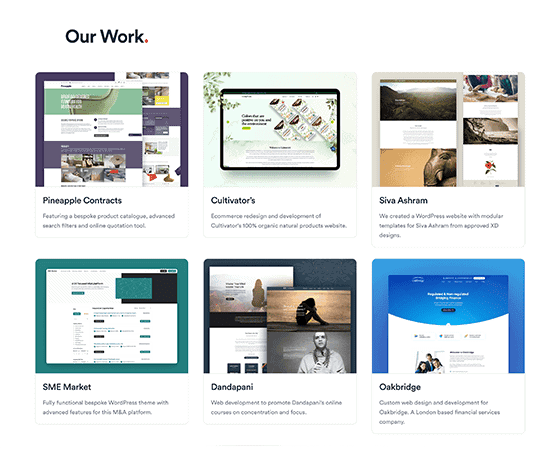
Featured Redesign Projects.
Examples of websites redesigned, refreshed and rebuilt for clients across different industries, with clearer structure, usability and performance.

Website Redesign for Leading Media Marketing Agency
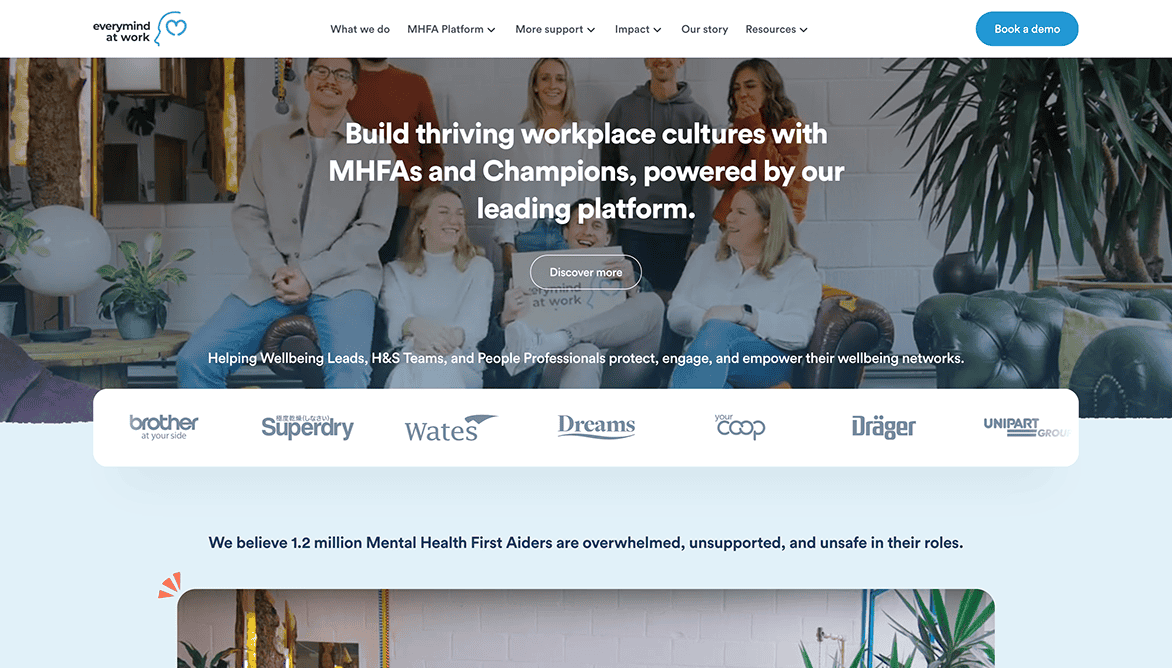
Media agency redesign that made services, insights, podcasts and reports easier to browse, understand and promote.
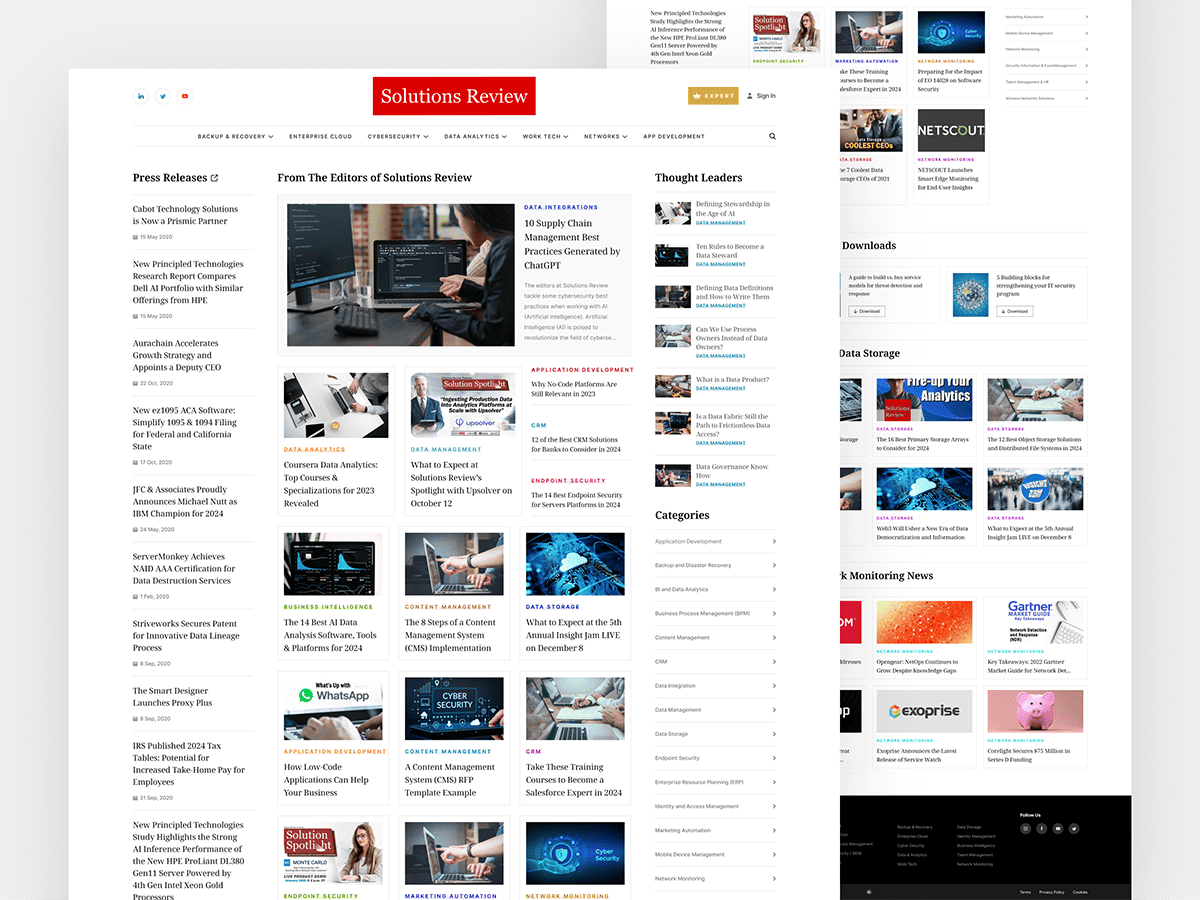
Website Revamp for Trusted B2B Technology Publisher
Technology publishing revamp improving usability, performance and access to large volumes of editorial content and research.
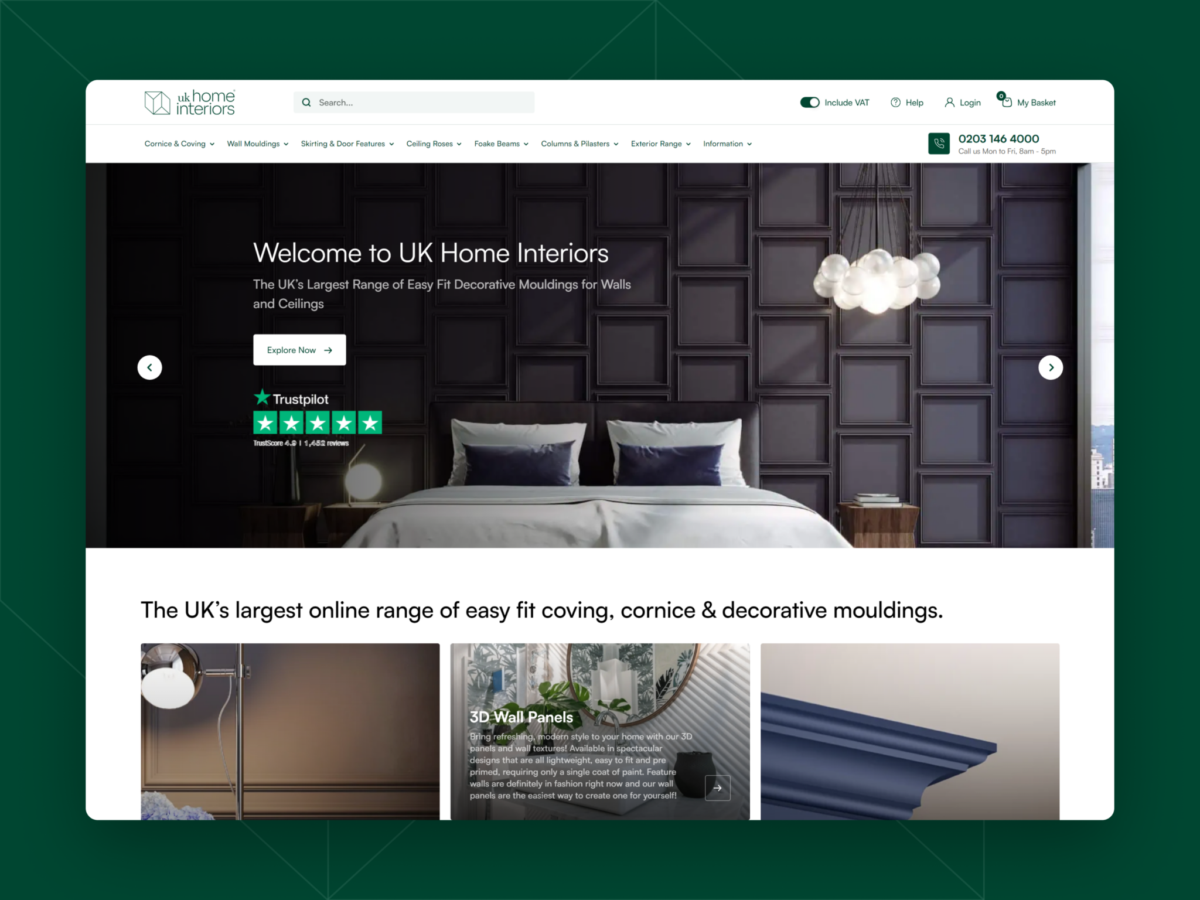
Complete Rebuild for Decorative Mouldings Specialist
Ecommerce rebuild improving product discovery, site speed, intelligent search and the buying journey for specialist products.
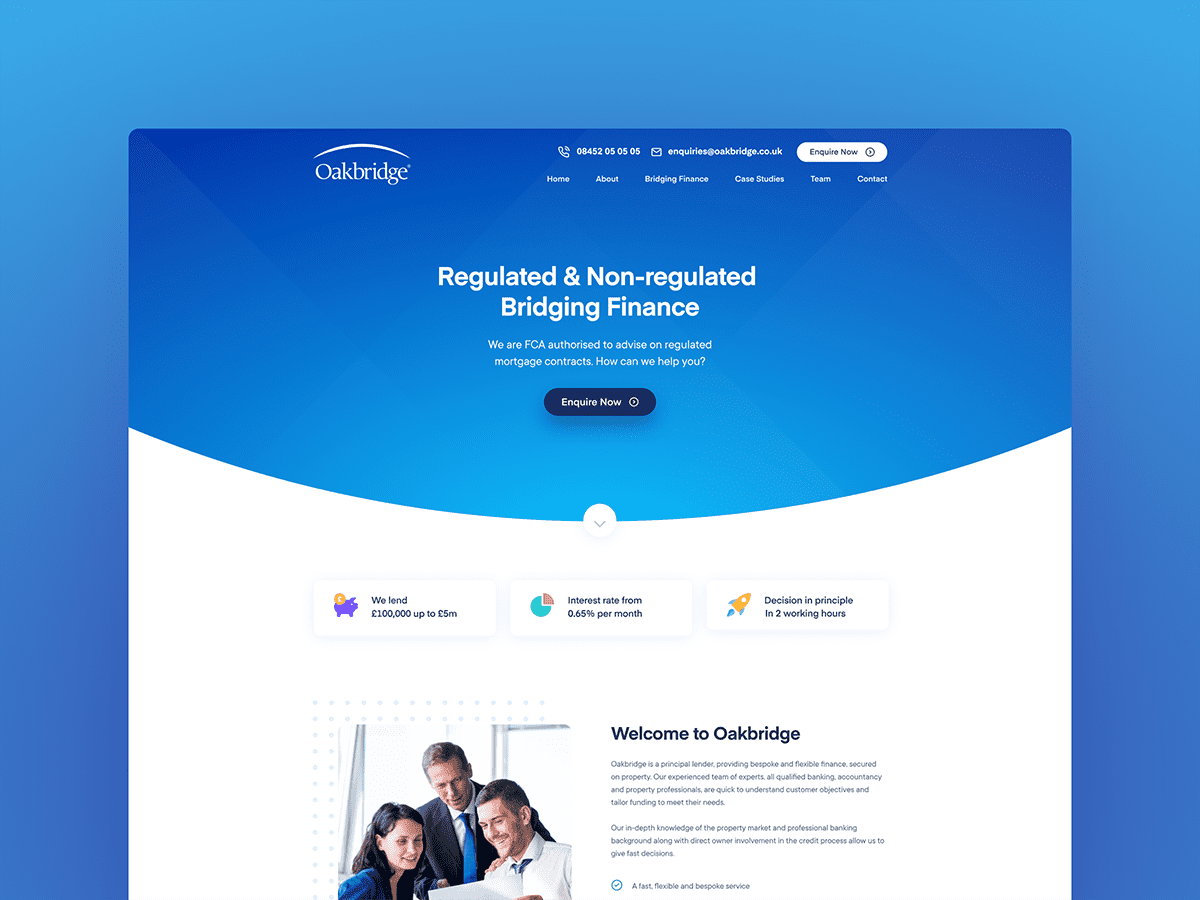
Website Rework for Specialist Finance Broker
Finance broker rework with clearer navigation, stronger trust signals and more focused enquiry paths for prospective clients.
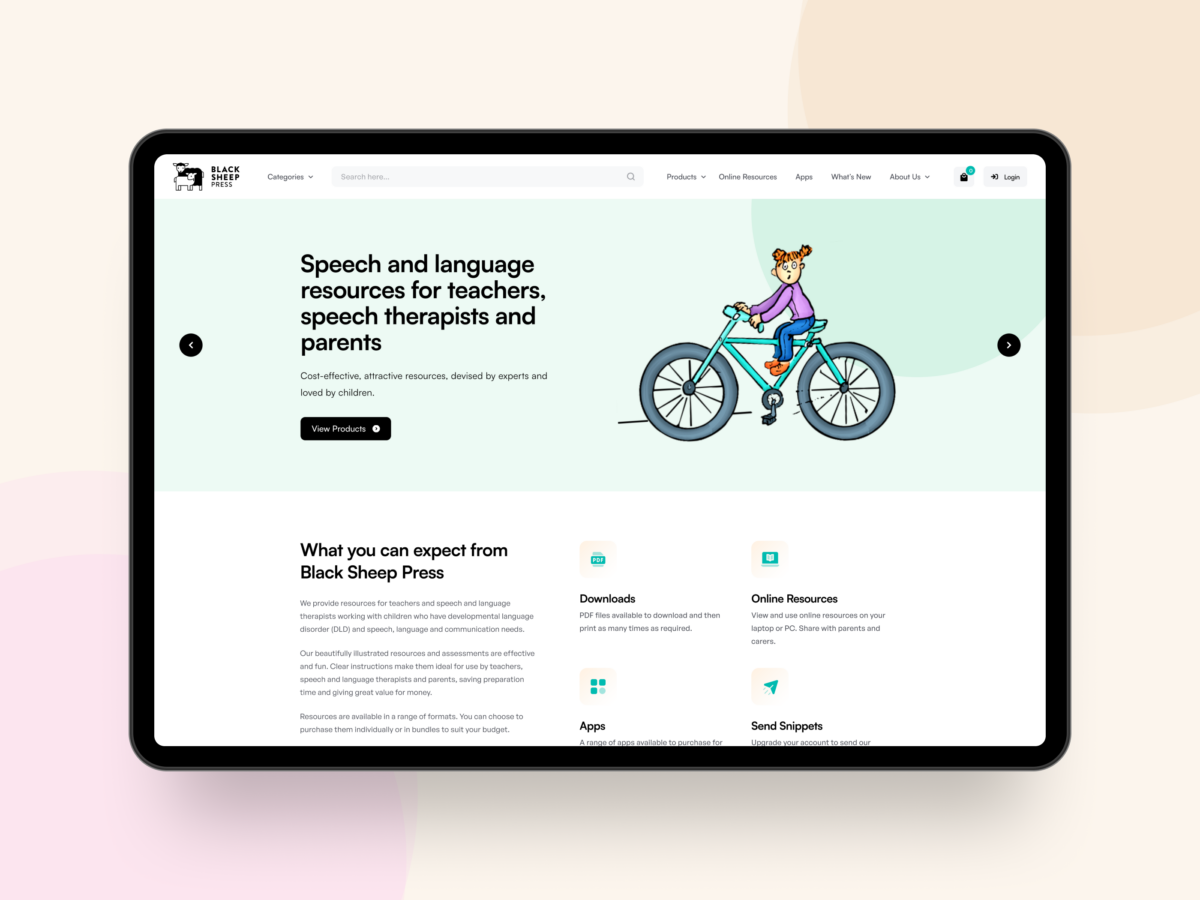
Website Refresh for Popular Education Brand
Education brand refresh improving site management, resource access and ecommerce flexibility for its internal team.
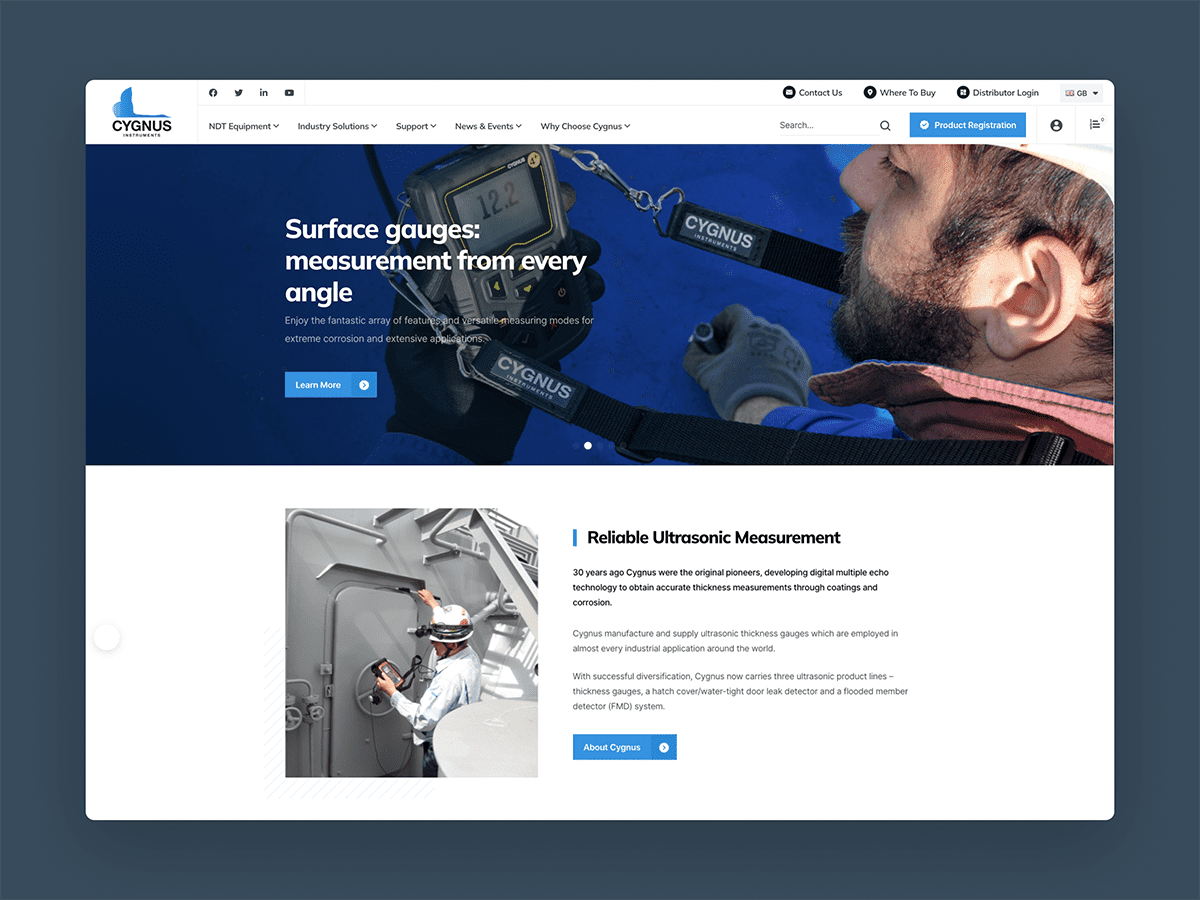
Full Redesign for Precision Measurement Manufacturer
Manufacturer redesign improving product journeys, distributor access and international enquiry handling across key global markets.
Tools & Platforms We Work With.
Established platforms are used so your website can scale with the business and stay easy for your team to manage long after launch. The process runs on clear planning, a clean handover and systems that keep the project structured from first ideas through to go-live.
Design work happens in Figma, with interactive prototypes shared so you can see how the redesigned site will look and work before it is built. You sign off the big decisions early, which means fewer surprises once development starts.
Most redesigns are developed on WordPress or Shopify, depending on your requirements and existing setup, with forms, ecommerce, CRM, booking and marketing tools connected where needed. The aim is a redesigned site that plugs straight into the systems your business already runs on.








What Clients Say About Us.
Across 300+ website projects, Webpop Design has earned consistent 5-star client feedback.

Doug Atkinson
Solutions Review

Rachael Hughes
Black Sheep Press
Rob Fever
Pineapple Contracts

Thubten Damcho
Thubten Chodron

Tim Marshall
Allegiant Finance
Recognition & Credentials.
Recognised across respected design, development and digital industry platforms.












Want to Start Your Redesign? Let's Chat
If you have outgrown your website, our redesign service can help plan a relaunch that improves clarity, trust and enquiries without losing what already works. Share your plans through our project planner or call our London studio on 020 7998 3935.
Request a QuoteWebsite Redesign FAQs.



How long can a website redesign usually take?
Most website redesigns take around 10 to 12 weeks from kick-off. The exact timeline depends on the size of the site, how much content needs reviewing, and whether the work includes new layouts, integrations, migration or custom functionality. A smaller refresh moves faster. A larger rebuild needs more planning, design and testing. A clear roadmap is set early, so you always know at what stage the project is and what could affect the launch date.
How much should a website redesign cost in London?
Website redesigns start from around £8,000 for a smaller brochure-style site, though the final price depends on page count, design requirements, content work, technical setup and any integrations involved. A focused refresh costs less than a larger rebuild with multiple templates, migration planning or custom functionality. The work is scoped in full before quoting, so you know the cost before anything starts.
Can you revamp or refresh our current website?
Yes. If your current website already has a solid foundation, it can often be refreshed or revamped rather than rebuilt from scratch. That is the sensible route when the underlying structure still works but the design, messaging, user experience or performance no longer do. If the theme, CMS setup or integrations are the real problem, we will recommend a fuller rebuild instead and explain why.
Will we need to rewrite all of our content?
Not always. On most redesigns, the strongest existing content is kept, weaker sections are rewritten and the rest is restructured so it is easier to read and act on. The right approach depends on how well your current site explains what you do and whether the message still fits the business. Early on, we go through your existing content together and agree what to keep, what to sharpen and what is missing entirely.
How do you protect SEO during a website redesign?
Relaunching a site can damage rankings if it is handled badly, which is why the move is planned in detail. Search visibility is protected by reviewing key pages, preserving content that ranks, mapping every redirect and testing the whole site before launch. Handled this way, a redesign strengthens the site instead of setting it back.
Will the redesigned website be easier to update?
Yes. A big part of any redesign is making the site easier to manage day to day. Clear page structures and WordPress editing tools are built so your team can update text, images, services or case studies without needing a developer. The point is to give you more control, not more dependence.
Can you keep our existing systems and integrations working?
Yes. Early in the project, every system your site needs to connect to is mapped, whether that is a CRM, booking tool, payment platform, ecommerce setup or email software. A redesign is often the moment to fix weak connections and clean up how data moves between them. Everything is tested prior to go-live, so your redesigned site still works with the tools your team relies on.
Do you offer support after the website goes live?
Once your site is live, 30 days of post-launch support are included to make sure everything holds up. That covers checking forms, reviewing the launch, fixing any small issues and helping your team get comfortable running the new site. If you want support beyond that, Webpop Design can handle future updates, improvements and maintenance, or leave you with a clean handover and full control of the site.