
Recruitment Website Design
Recruitment web design for agencies, staffing firms and search consultancies that need candidate journeys and client enquiries to convert. We build bespoke recruitment websites with job search, vacancy filters, CV uploads, application forms, Google for Jobs, ATS and CRM handover, consultant profiles, speed and structured publishing.
View Our Work Get a Quote
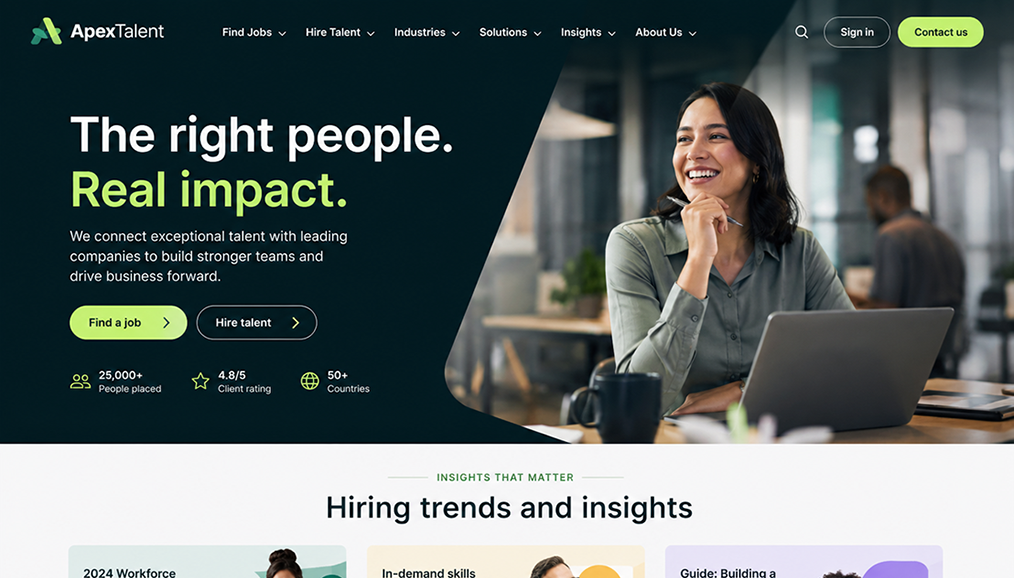


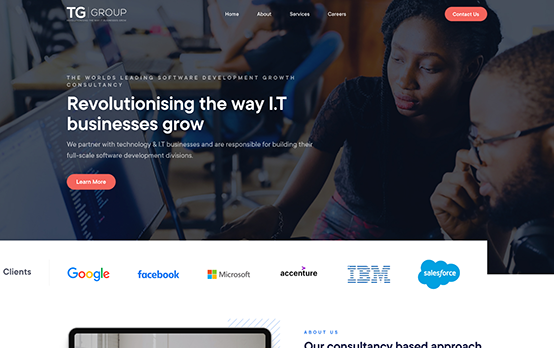
Recruitment Sites Tailored to the Needs of Both Candidates & Clients.
We design recruitment websites that serve candidates and hiring clients in the same visit, from the first page they open on mobile. One user can filter vacancies by sector, salary or location while another judges whether your agency looks credible enough to trust with a CV or a brief.
We give live jobs, job detail pages, application forms, CV uploads, consultant profiles, sector pages and employer services a clear, deliberate structure. The build is planned to support candidate attraction, client enquiries, Google for Jobs, mobile performance and CRM handover while staying easy to use.
Our web design agency plans recruitment websites around how agencies actually win work, publish roles, handle applications and support their recruiters. You get a platform built for candidates, clients and the in-house teams managing roles, profiles and enquiries every day.
Start a Web Project
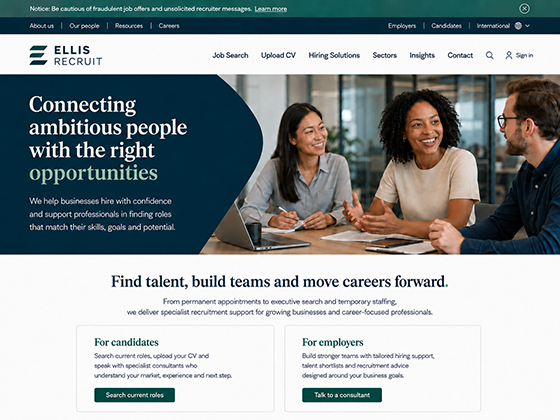
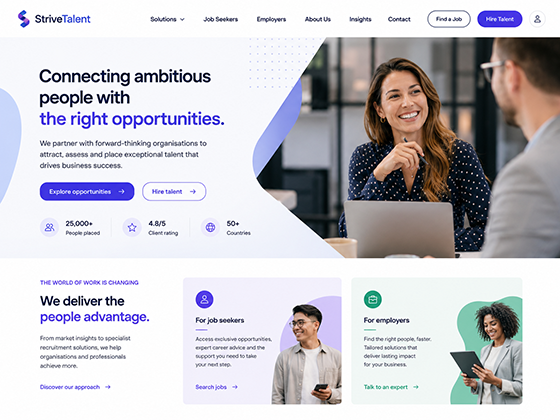
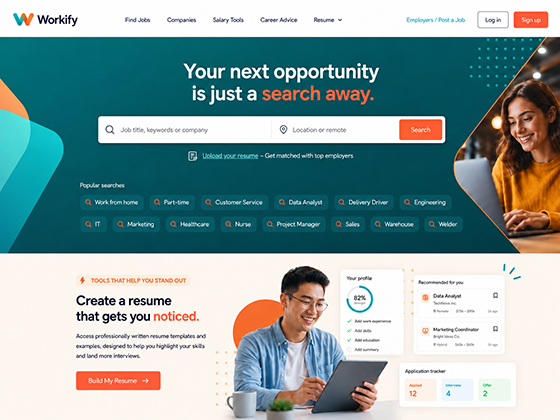
Recruitment Website Journeys For Candidates, Clients & Recruiters.
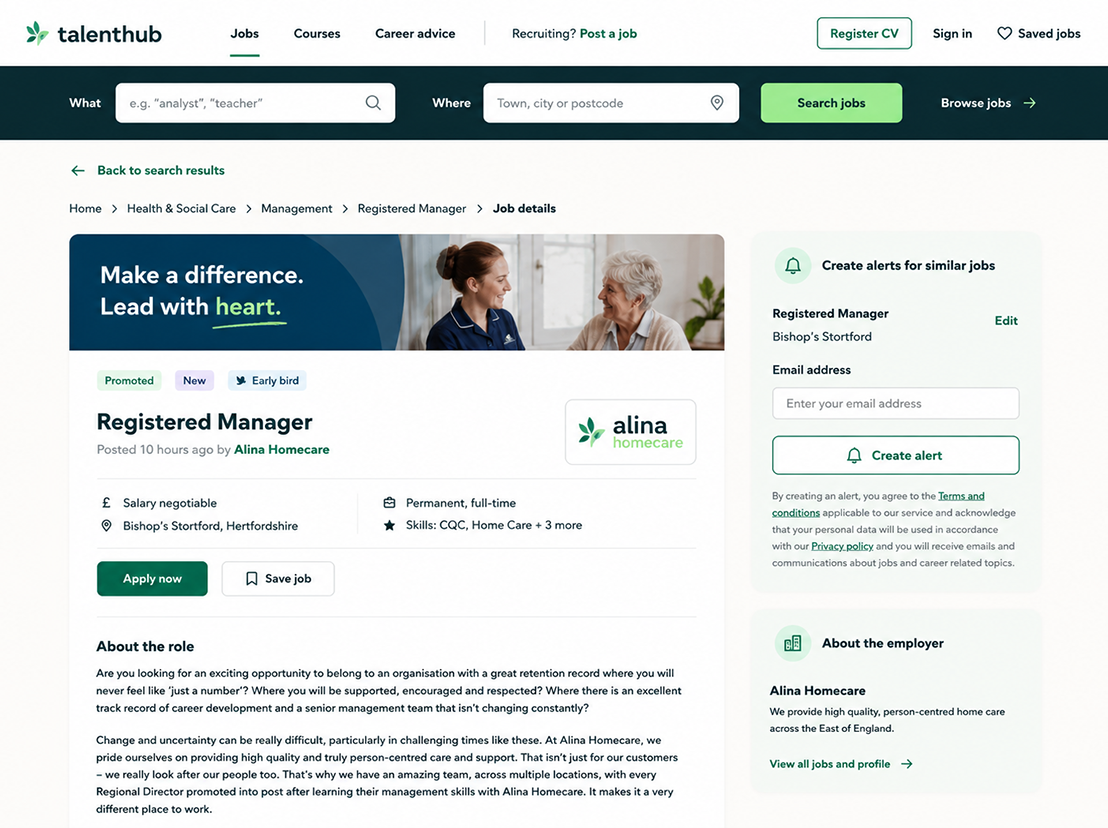
For active candidates, we build fast vacancy search, clear filters, salary and location detail, working pattern clarity and a one-click route to apply. For passive candidates, we design the credibility cues, saved searches, register-interest options and consultant contact that turn a quiet browse into a conversation about their next move.
Hiring clients land on the site with different questions. We answer them with employer pages setting out your sector specialisms, case studies showing outcomes, clear service models and consultant credibility, so they can judge whether you can handle a vacancy. Then submit-a-vacancy forms, testimonials and contact options move the decision forward.
The same site has to work for recruiters, founders, operations teams and marketers behind the scenes. Our web development handles vacancy publishing, consultant profiles, sector and location content, application routing, CRM workflows, enquiry tracking, insights and campaign pages, so the platform keeps earning its place as the agency changes.
Our Recruitment Website Design Process.
A structured process for recruitment websites with serious candidate, client and workflow requirements from start to launch.

Project Discovery
We begin by mapping your sectors, competitors, fee model, target candidates and hiring clients. We review how your current website handles vacancies, applications, employer enquiries, consultant credibility, CRM handoff and search visibility, giving the project a clear commercial direction before design begins.

Strategy & Direction
Strategy shapes the sitemap, content priorities and conversion points around candidate journeys, employer decision-making, job-board structure and recruitment SEO. Sector pages, location pages, consultant profiles, vacancy templates, Google for Jobs planning and enquiry forms are mapped with a clear purpose.

Layouts & UX
Wireframes map the core journeys before any visual design: job search, job detail pages, CV uploads, application forms, candidate registration, submit-a-vacancy forms and consultant contact. This is where we settle how recruitment visitors actually move, before a single pixel is styled, and where the strongest handover points should sit.

Bespoke Design
We design in Figma to make the agency look like one a serious client trusts with a brief. Candidate pages stay fast and uncluttered, while employer content, case studies, consultant profiles, sector and service pages are built to pull enquiries without slowing the application or enquiry journey down.

Website Development & Build
Development covers responsive layouts, clean front-end code, structured content sections and editable WordPress control where it fits. Job feeds, forms, analytics, structured job data, ATS and CRM workflows, performance and integration points are handled as we plan the site, so the platform stays practical after launch too.

Website Launch & Handover
Before the final go-live, we test devices, browsers, forms, job pages, redirects, tracking and every integration point. After handover your team can publish vacancies, update consultants, manage sector content, add insights and run campaign pages, and the design holds together without weakening layouts or confusing publishing processes.
Searchable Job Feeds, Candidate Accounts & CRM Integration.
We ingest job feeds from your ATS, deduplicate roles posted across multiple boards and keep the live site in sync, so a vacancy that closes in Bullhorn or Vincere stops showing as open on the website. Feed quality varies, so we map fields, handle missing salary or location data and set how often roles refresh, which keeps the job board accurate when a recruiter is posting heavily.
Candidate accounts, saved searches and job alerts give returning visitors a reason to come back, and we build them so the data sits where you can use it. When a candidate uploads a CV, we parse it into the right CRM fields instead of leaving an unsorted attachment for a consultant to open, and we handle the consent and retention rules that come with storing personal data.
CRM integration depends on what the API actually exposes, so we scope it against your platform before committing to a sync the documentation might not support. We also plan the unglamorous parts: an expired vacancy redirected to its sector page or served a 410, so Google for Jobs is not left indexing dead roles. Get the feeds, accounts and CRM right at the build stage and the site carries the workload your team would otherwise handle by hand.
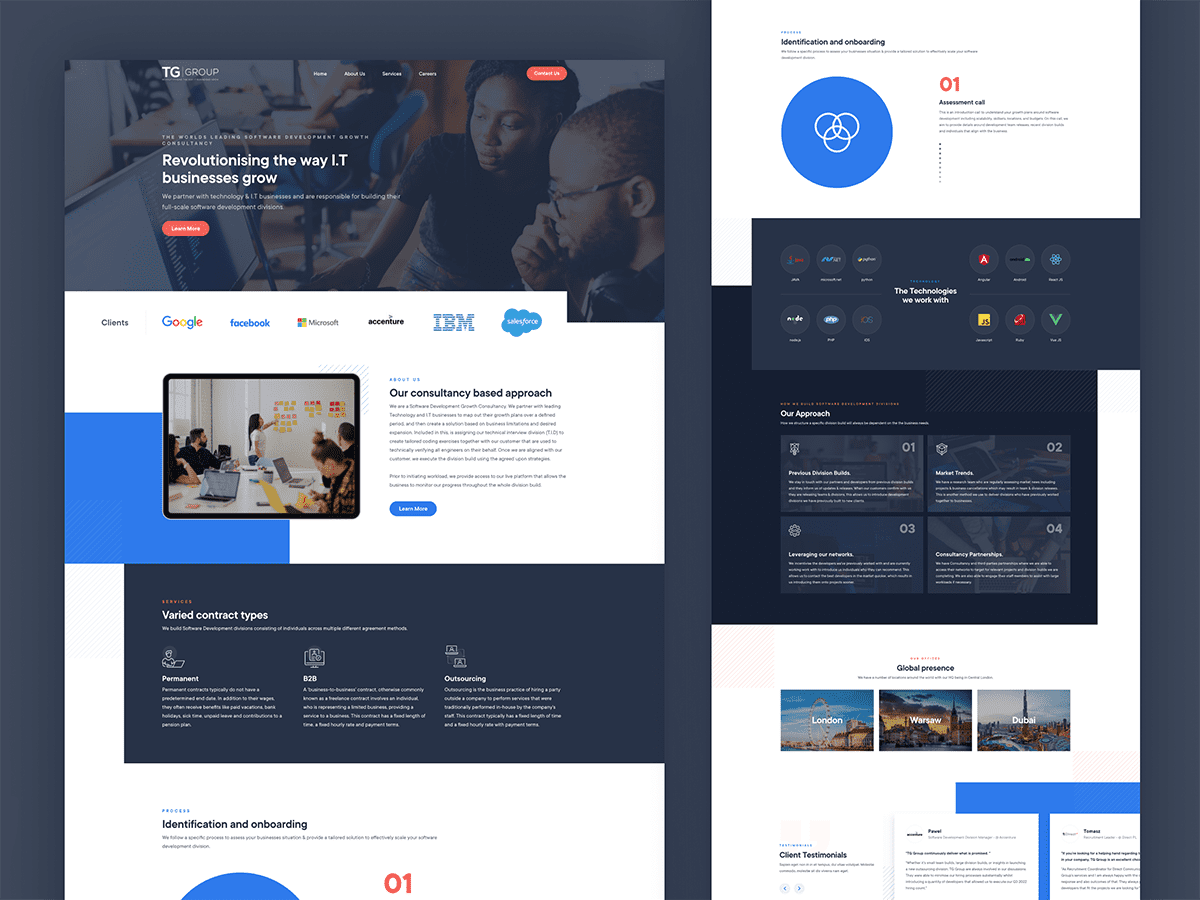
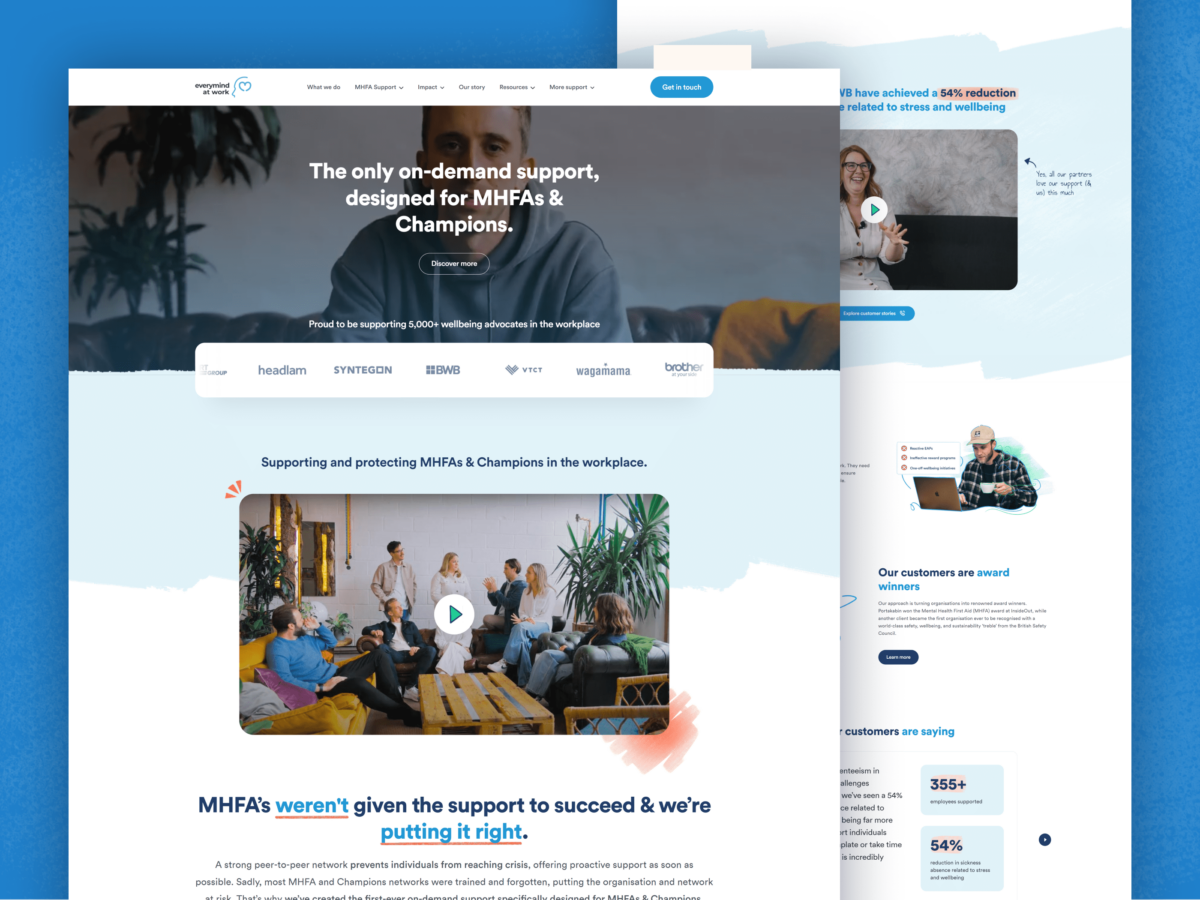
Selected Client Projects.
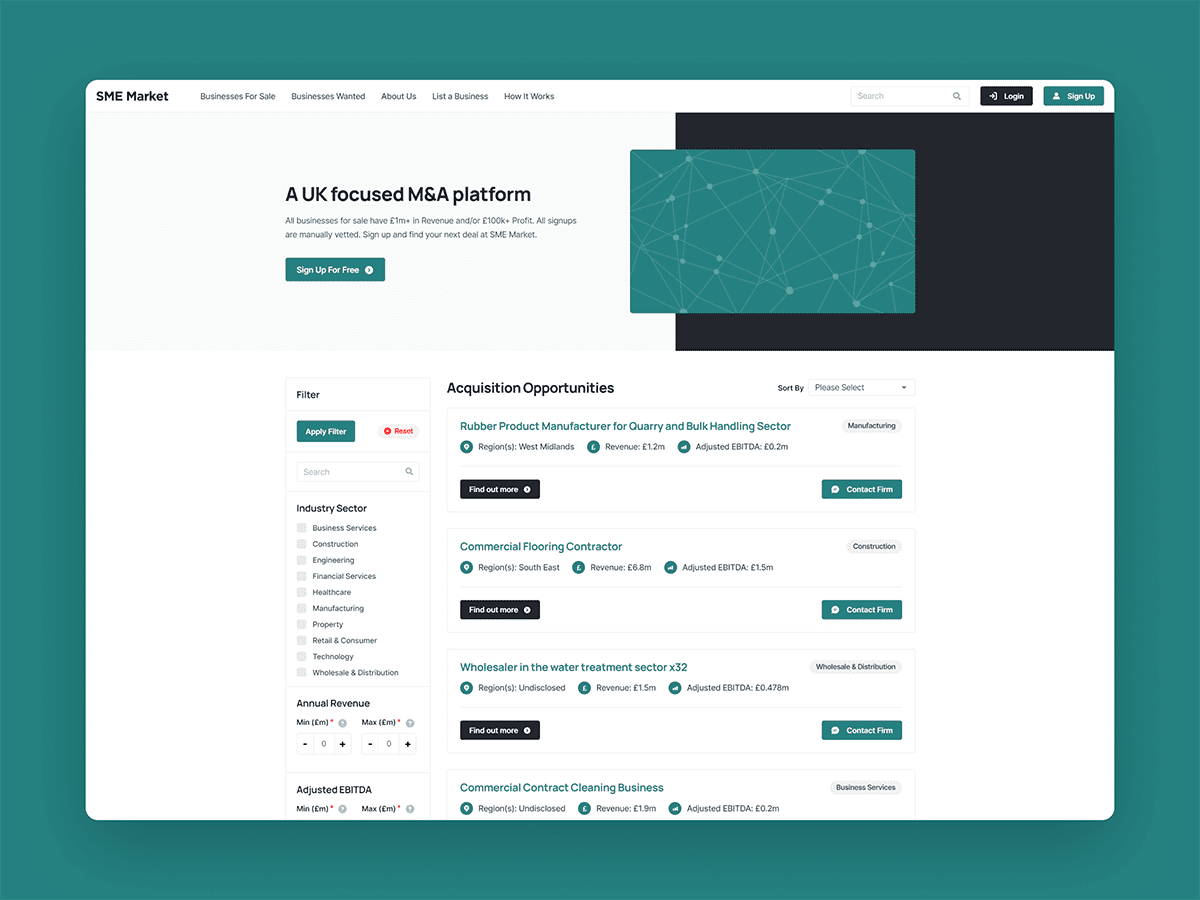
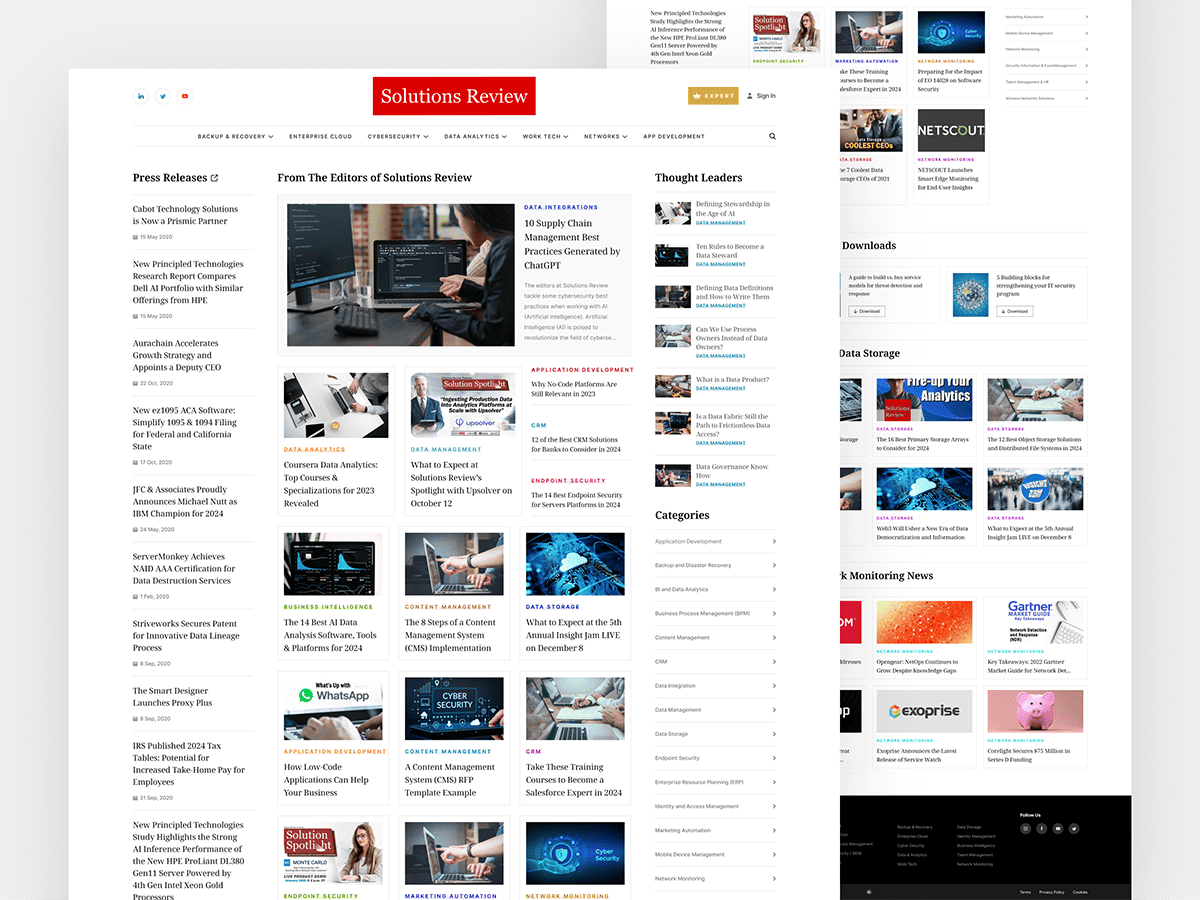
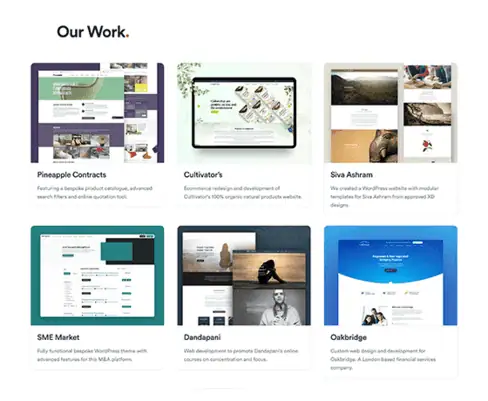
Selected work showing similar structural thinking behind serious recruitment website builds.

Types Of Recruitment Clients We Help.
Recruitment website design for agencies, search firms and staffing teams with serious website requirements.

Recruitment Agencies
Bespoke websites for recruitment agencies wanting job search that works, candidate journeys that convert and a clear client enquiry path.

Executive Search Firms
Discreet websites for search consultancies where consultant credibility, sector authority and high-value employer trust quietly matter.

Staffing Agencies
Structured websites for staffing businesses managing temporary roles, vacancies, high-volume applications and candidate demand.

Start-Up Recruiters
Focused recruitment websites for new agencies that need sharp positioning, credible branding and a scalable platform from launch.

Niche Recruiters
Sector-led websites for recruiters in technology, finance, legal, healthcare, construction, engineering and education.

In-House Talent Teams
Careers websites and employer-brand platforms for internal teams managing roles, content and culture communication.

Why Work With Webpop Design For Recruitment Websites.
Choosing a recruitment web design agency is rarely about how it looks alone. The site has to make jobs easy to find, applications easy to finish and employer enquiries easy to trust. We bring real UX experience, bespoke development, WordPress design depth and practical planning around job boards, sector pages, consultant profiles, Google for Jobs and CRM handover.
If you need more than a brochure site, the value is in how it connects. We tie candidate journeys, employer content, migration-aware SEO, performance-led development and clean publishing tools together, so your team manages vacancies, insights, profiles and campaign pages as the agency grows.
Request an EstimatePlatform Recognition & Credentials.
Featured across trusted website design, development and digital agency platforms.










Trusted For Careful Project Delivery.
See why clients trust our planning, delivery and support on complex website builds.

Tim Marshall
Allegiant Finance
Emma Griffiths
Synchtank

Emily De Jesus
LS Tractor USA

Alan Harder
Tango Financial

Dan Garner
Xibo
Recruitment Tools & Software We Work With.
Most recruitment sites we build connect to systems you already run, from ATS and CRM platforms to job board feeds, CV upload forms, Google for Jobs, analytics tracking and email notifications.
We plan around Bullhorn, Vincere, JobAdder, Broadbean, Idibu and most similar ATS or CRM platforms when the build calls for it. The exact approach depends on the API, job feed, documentation, licensing, data requirements and how your recruitment team wants jobs and applications to move.












Frequently Asked Questions.
Answers to the most popular questions recruitment agencies ask before beginning a website build with Webpop Design.



How much will a recruitment website design cost?
Bespoke recruitment website projects often start from around £8,000+, with final pricing shaped by job-board functionality, ATS or CRM integration, content volume, migration needs and stakeholder approval. A simple recruitment agency site will cost less than a platform with live job feeds, candidate accounts or more advanced application workflows.
How long will it take to build a recruitment website?
Most recruitment website projects take around 10 – 12 weeks from discovery to launch, depending on scope, content readiness, integrations and review stages. Builds involving job boards, Google for Jobs planning, CRM handover, multi-brand structures or larger content migrations may need a longer delivery window.
Can you redesign an existing recruitment agency website?
Yes. We review your current website, rankings, job-board setup, content structure and CRM workflow before planning the redesign. We improve candidate journeys, employer enquiries, speed, usability and visual credibility while handling redirects, migration and technical SEO carefully.
Do you build recruitment websites in WordPress?
Yes. We build recruitment websites in WordPress when you need editable sector pages, location pages, consultant profiles, insights, job content and landing pages. We create a publishing setup that gives internal teams control without relying on a restrictive recruitment website template.
Can you build job boards and vacancy filters?
Yes. We build searchable job boards with filters for sector, location, salary, contract type and working pattern. We also build job detail pages, related roles, application forms and structured job data so vacancies are easier for candidates to browse, understand and apply for.
Can you integrate Bullhorn, Vincere or JobAdder?
We can plan recruitment websites around ATS and CRM tools such as Bullhorn, Vincere, JobAdder, Broadbean, Idibu and similar platforms. The exact approach depends on the API, job feed, documentation, licensing, data requirements and how your recruitment team wants jobs and applications to move.
Will the website support Google for Jobs?
We build job pages with JobPosting schema, clear vacancy content and Google for Jobs considerations in the structure. Visibility still depends on indexing, content quality, competition and Google’s own processing, so we treat it as technical implementation rather than a guaranteed result.
Can candidates upload CVs and apply online?
Yes. We build CV uploads, application forms, quick apply options, candidate registration, consent fields, job alerts and saved searches where needed. We plan these around mobile use, candidate confidence, data handling and how applications are reviewed or passed into your CRM.
Will my SEO be protected during migration?
We map redirects, review content and metadata, check structured data, run technical testing and plan the launch deliberately. No agency can guarantee rankings, but a structured migration helps protect valuable search visibility across jobs, sector pages, location pages and existing content.
Do you offer support after launch?
Yes. Every recruitment website includes 30 days of free post-launch support as standard. After that, WordPress support can cover core and plugin updates, performance checks, security monitoring, content changes, bug fixes, analytics review, job-board improvements and ongoing development. The right support setup depends on how often your team updates vacancies, consultant profiles, sector pages, insights and campaign content.
Start A Stronger Recruitment Website Project Around Candidates, Clients & Recruiter Workflows
Planning a serious recruitment website? Start a conversation with Webpop Design about a structured build that improves job discovery, candidate applications, employer enquiries and the workflows your team manages each week with confidence.
Request a ProposalIndustry & Sector Experience.
Explore related website services for organisations with structured content, integrations and specialist functionality.
-
 Aerospace
 -
 Banks
Banks -
 Car Dealerships
 -
 Charities
 -
 Churches
 -
 Construction
 -
 Corporate
 -
 Dating Agencies
 -
 Dental Practices
 -
 Entertainment
 -
 Estate Agents
 -
 Farm Shops
 -
 Finance
 -
 Florists
 -
 Garden Centres
 -
 Government
 -
 Healthcare Providers
 -
 Higher Education
 -
 Home Care
 -
 Hospitals
 -
 Hostels
 -
 Hotels
 -
 Industrial Companies
 -
 Insurance Firms
 -
 Law Firms
 -
 Libraries
 -
 Locksmiths
 -
 Membership Websites
 -
 Model Agencies
 -
 Theatres
 -
 Pubs & Bars
 -
 Recruitment Agencies
 -
 Removal Companies
 -
 Restaurants
 -
 Retailers
 -
 Schools
 -
 Self Storage Companies
 -
 Small Businesses
 -
 Tattoo Studios
 -
 Travel Agents