
Dental Web Design
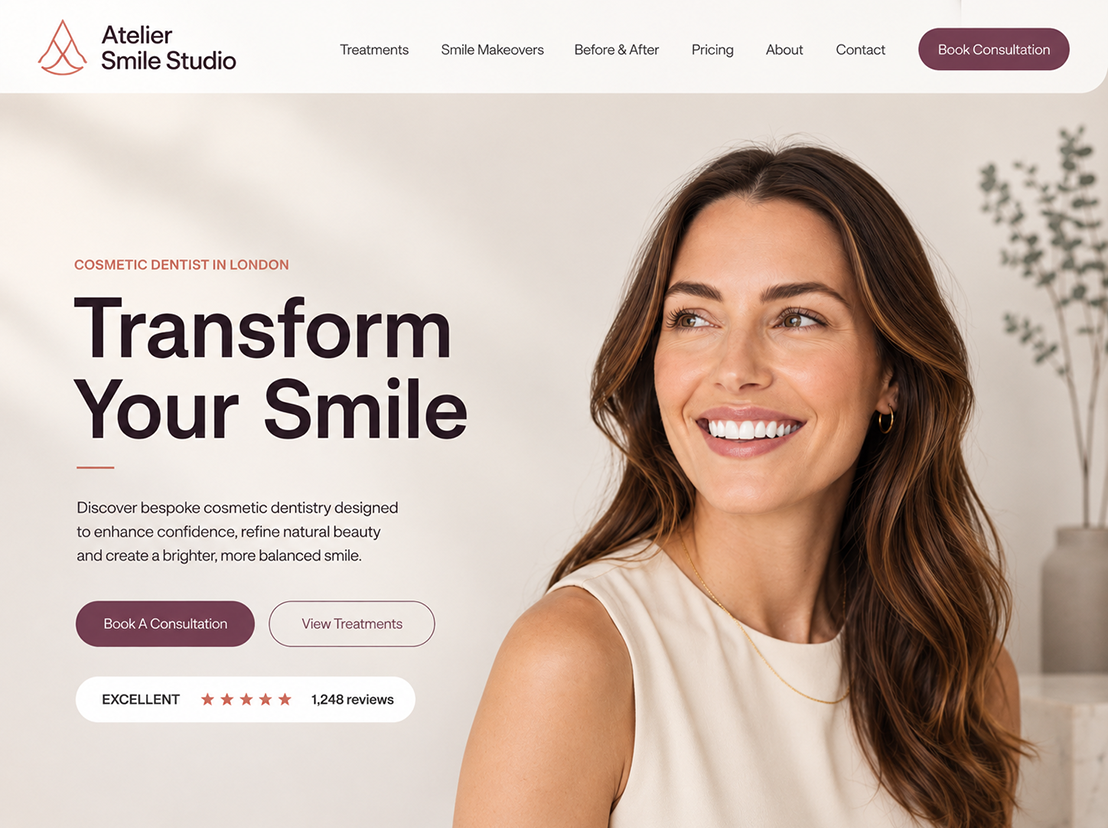
Patients judge a dental practice by its website long before they call, weighing up treatments, fees and whether the team feels right. Webpop Design creates bespoke dental websites for UK dentists, clinics and practices, with clear treatment pages, fee information, reviews, team profiles and booking paths designed to reflect patient behaviour.
View Our Work Get a Quote

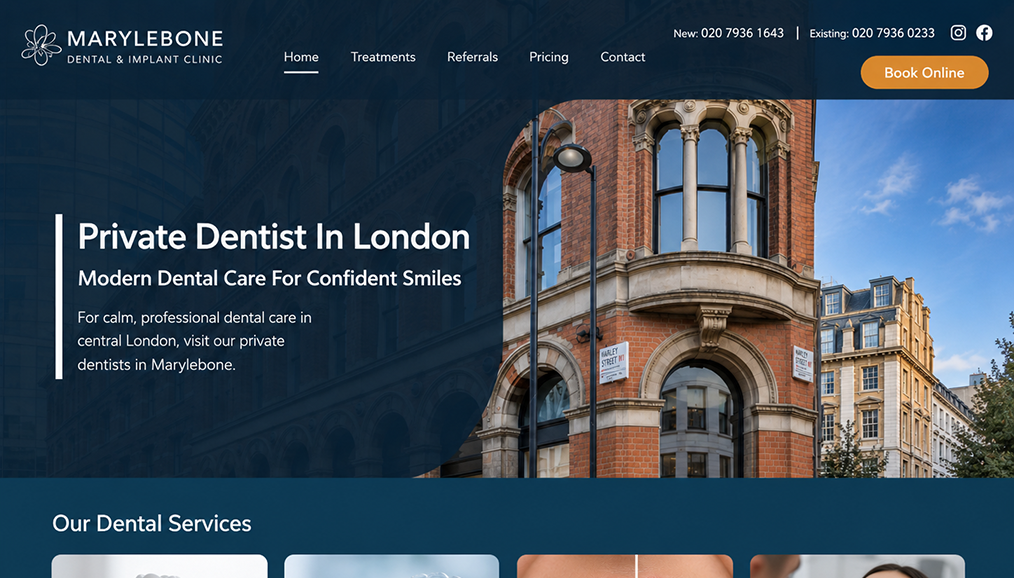


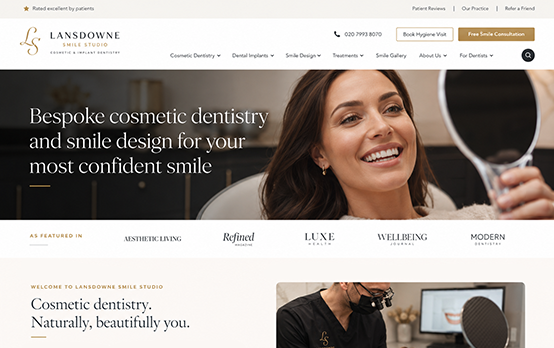
Bespoke Websites for Dentists & Dental Practices.
Dental patients rarely arrive on a website just browsing. They are usually comparing treatments, checking fees, reading reviews, looking for the right clinician or deciding whether the practice feels trustworthy enough to contact. We provide bespoke website design for dentists, building websites that make treatment information, team profiles, reviews and booking options easy to find.
Many dental websites lose enquiries because the important details are buried. Treatment pages can be too thin, booking buttons can be hard to spot, finance information can feel unclear and team pages are often out of date. On mobile, where many patients first search, these issues become even more noticeable.
Webpop Design builds dental sites around decisions patients face before booking. We structure private, NHS and mixed-practice services clearly, keep compliance-aware wording where it matters and place reviews where they help patients reach the next step. Whether you run a private clinic or a treatment-led specialist practice, we shape the site to inform patients before they book.
Begin Your Project
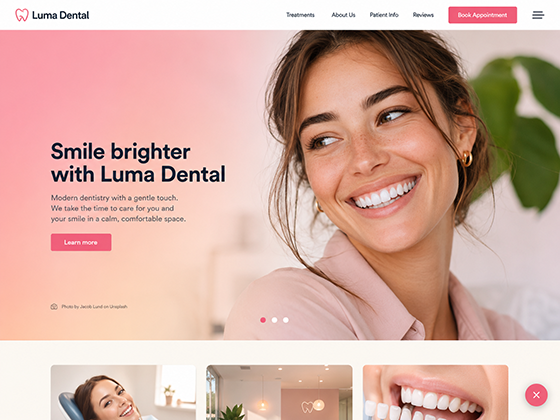
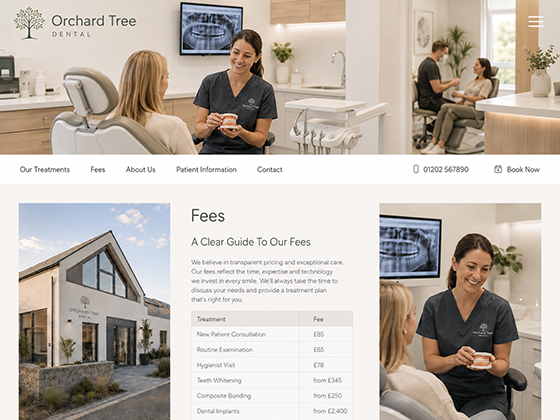
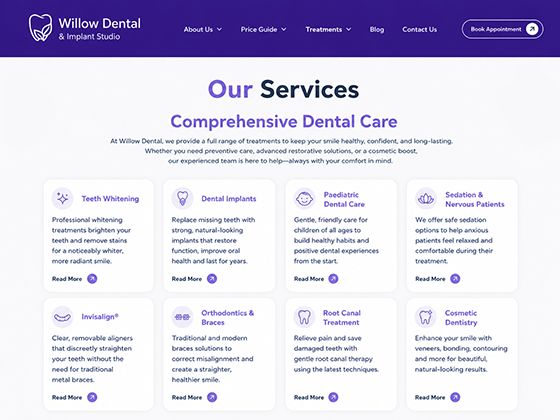
Shaped by How Dental Patients Search, Compare & Book.
Dental patients usually arrive with a specific decision to make. A new patient might be weighing up a specific treatment, its likely cost, or whether your clinicians look like the right fit. We structure those answers so patients find them quickly, before they pick up the phone or fill in a form.
Different patients need different ways to navigate the site. Someone researching implants, Invisalign, whitening, bonding or a smile makeover may need treatment steps, suitability, finance options, before-and-after examples and a clear explanation of who will carry out the work. Nervous patients usually need plain-English reassurance and a real sense of the clinicians before they feel ready to book.
Existing patients have more practical needs, such as opening hours, emergency advice, contact details, forms, directions and appointment information. Where appropriate, we can also map out pathways for online payment functionality, such as deposits, paid consultations or treatment-plan payments. We shape every journey around how real patients move through a dental site.
Our Dental Website Design Process.
A clear process keeps the project focused, structured and easier for your practice team to manage.

Discovery & Research
We begin by understanding your practice, treatments, patients, locations and website performance. This includes looking at how people find you, which treatments need clearer content, where enquiries drop off and what your team needs from the site. The aim is to shape the project to reflect patient behaviour, not assumptions.

Strategy & Planning
We plan the website structure before design begins, including treatment pages, fee information, clinician profiles, reviews, booking options and local search priorities. This gives the site a better performing foundation, helping patients compare treatments, understand the practice and move towards the right enquiry or appointment path.

Page Layouts & UX
We map the key user journeys so patients can move through information quickly on desktop and mobile. This includes pathways for new patients, cosmetic treatment enquiries, nervous patients, emergency searches and existing patients looking for practical details. The wireframes focus on clarity, trust and simple next steps.

Figma Design
We design the website in Figma before development, giving you a clear view of the layout, content flow and visual direction. This is where treatment pages, mobile journeys, booking prompts and authority signals are shaped properly, with a bespoke design that reflects your practice rather than an off-the-shelf template.

Implementation & Development
Once the design is approved, we build a responsive WordPress website with clean code, fast performance, SEO-aware structure and accessibility-conscious layouts. The back end is set up so your team can update treatment pages, fees, team profiles, reviews, finance information, emergency notices, opening hours and patient guidance.

Launch & CMS Handover
Prior to go-live, we test the website across devices, check forms and booking journeys, review key pages and manage the switch carefully. We also check treatment pages, redirects, performance and practical patient details, then provide handover guidance so your team can manage everyday updates with confidence.
Turning Treatment Pages Into Better Dental Enquiries.
We build treatment pages that carry a patient from first question to enquiry. Someone comparing implants, Invisalign, whitening, bonding or emergency dental care needs more than a short list of services. They need to understand suitability, treatment steps, fees, finance options, clinician experience, reviews and how to book. When those details are structured clearly, patients can make better decisions before they contact the practice.
Treatment pages should carry a patient from first question to enquiry. Someone comparing implants, Invisalign, whitening, bonding or emergency dental care needs more than a short list of services. They need to understand suitability, treatment steps, fees, finance options, clinician experience, reviews and how to book. When those details are structured clearly, patients can make better decisions before they contact the practice.
The structure also needs to work for the practice team. GDC-aware wording, CQC/GDPR-sensitive content areas, mobile-friendly layouts and clear editing controls all help keep information accurate after launch. Where more advanced workflows are needed, our WordPress plugin developers can plan custom forms, booking pathways or CRM connections around the practice’s existing systems, giving the team a website that supports patients and reduces repetitive admin.
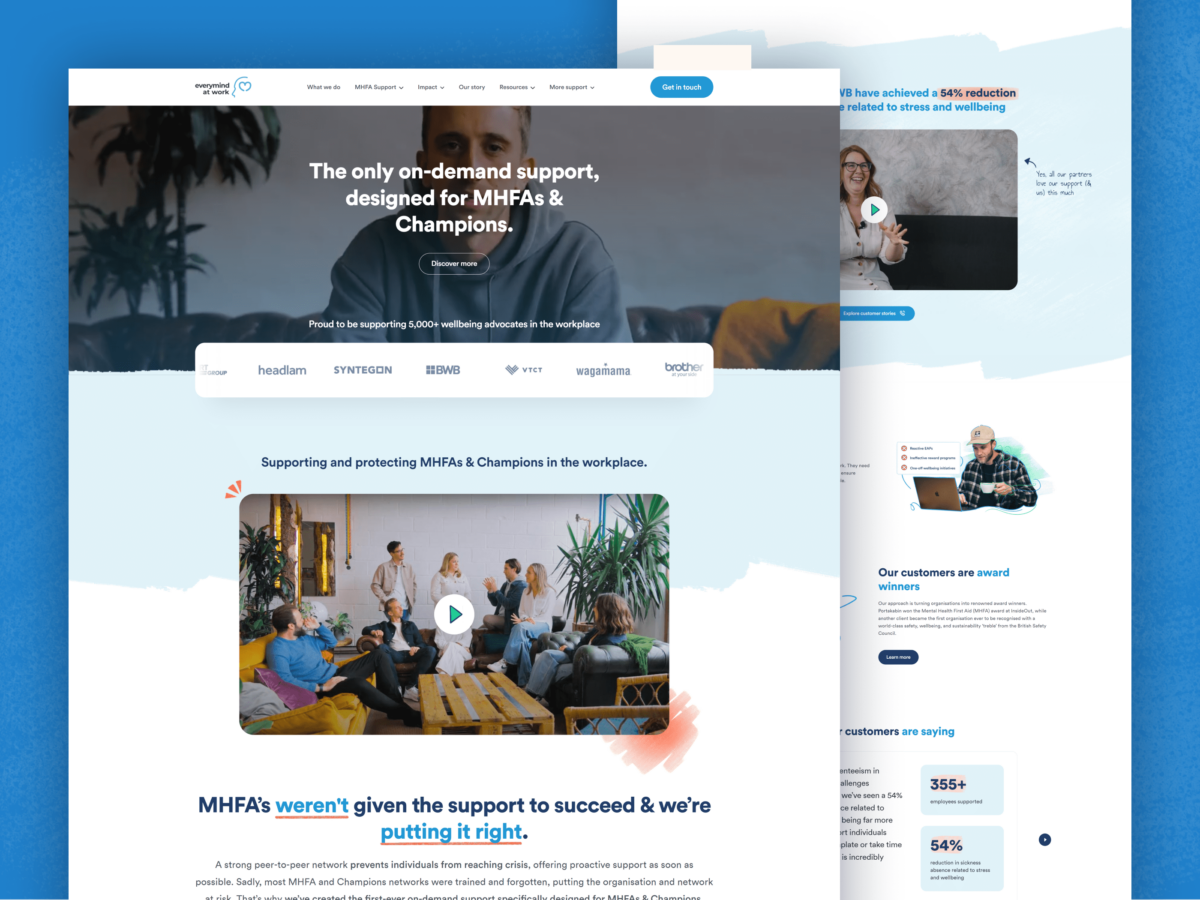
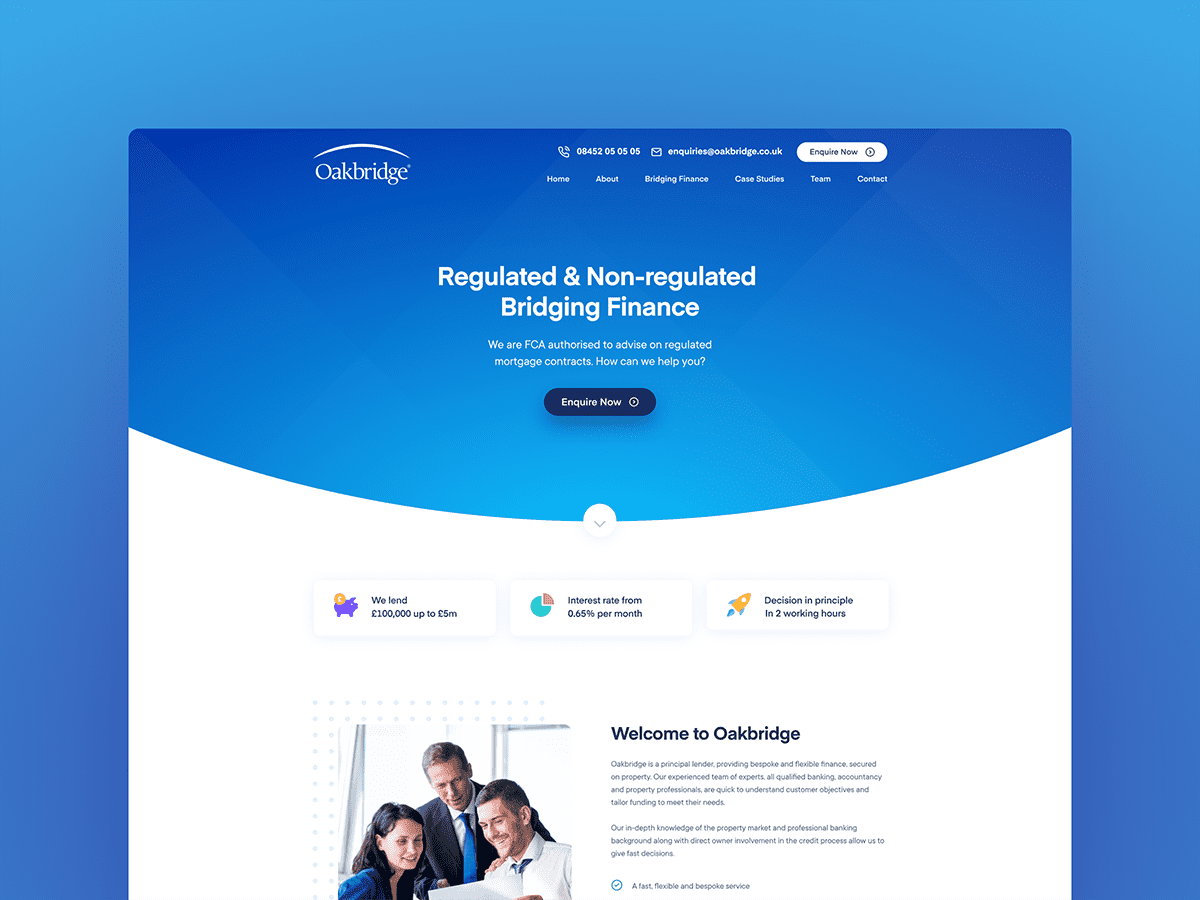
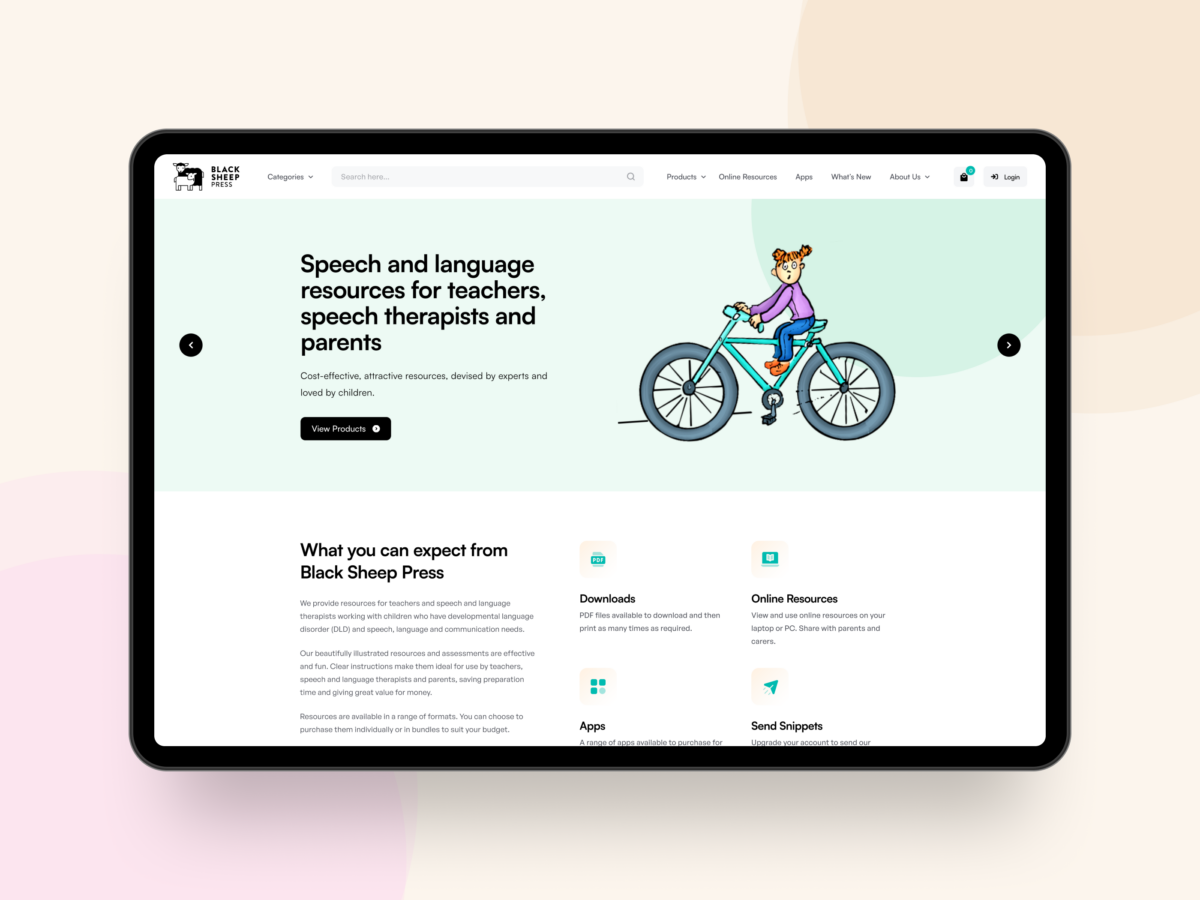
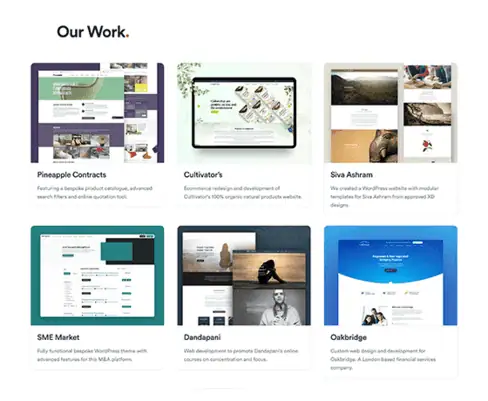
Selected Client Projects.
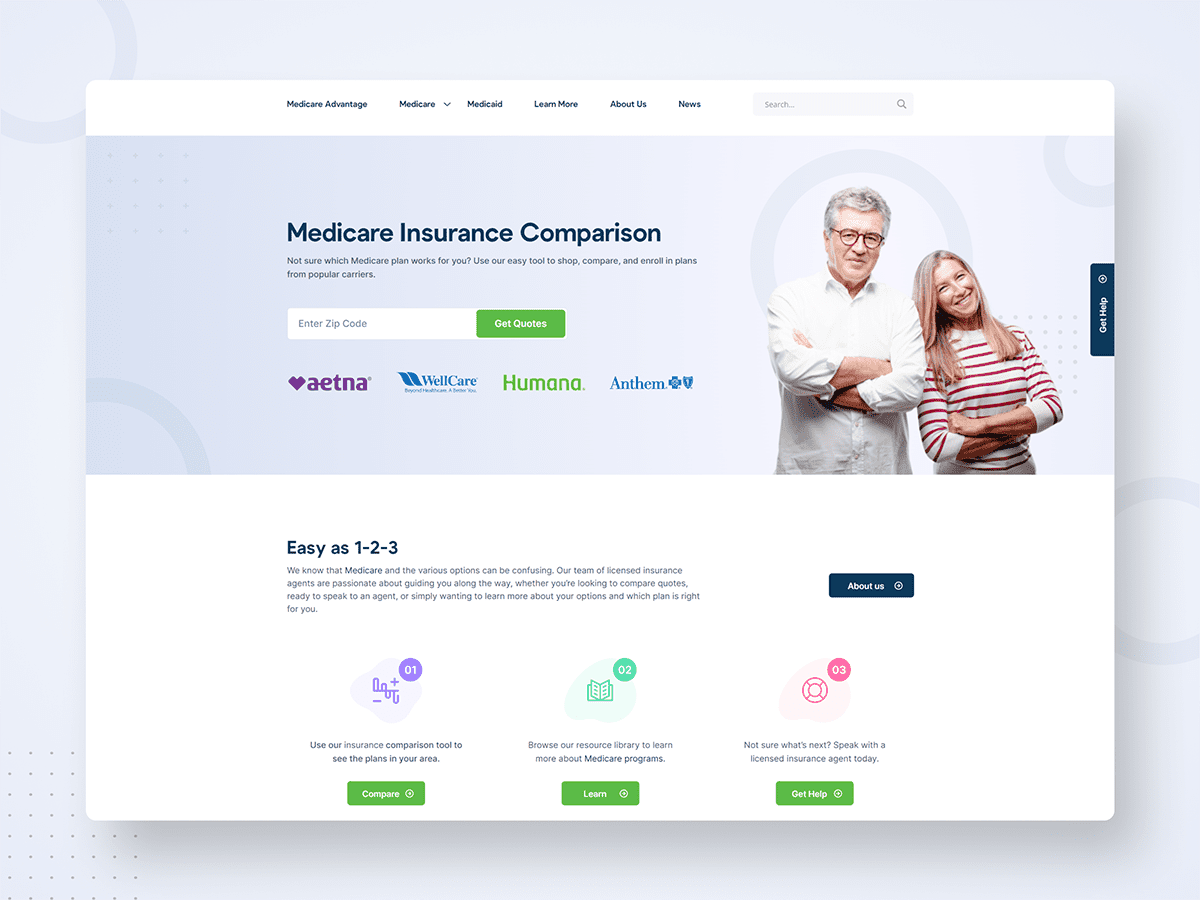
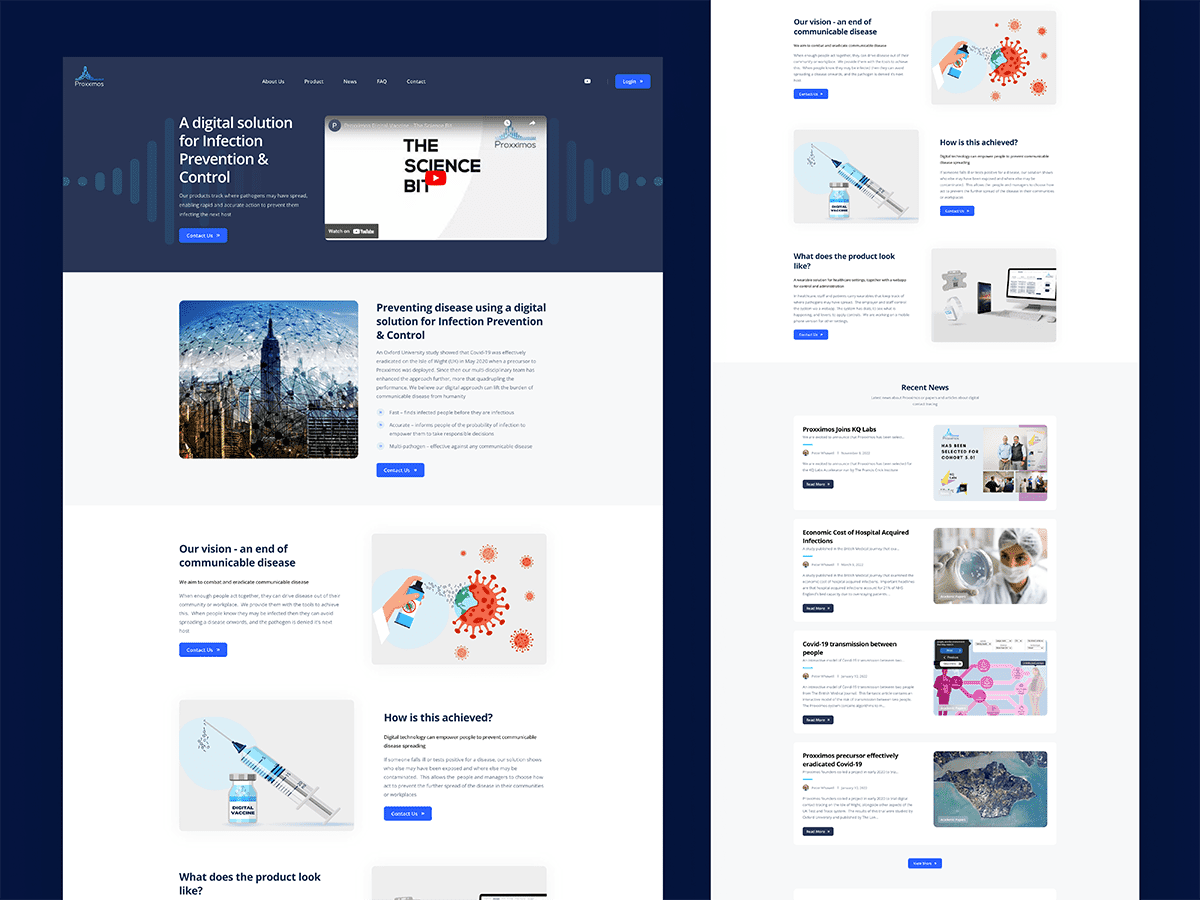
A selection of recent projects showing the planning, structure and build quality behind our work.
Types of Dental Practices We Support.
Webpop Design works with dental practices that need a clearer, more structured website for patients.

Private Dental Practices
Websites for practices that need clear treatment pages, fee guidance, clinical detail and reliable ways for patients to get in touch.

Mixed NHS & Private Practices
Clear website structures that help patients understand NHS, private and mixed treatment options without confusion.

Cosmetic Dentists
Websites for practices offering treatments such as whitening, bonding, Invisalign, veneers and smile makeovers.

Implant Clinics
Structured treatment content for practices that need to explain suitability, process, pricing, aftercare and clinician expertise.

Orthodontic & Invisalign Providers
Websites that help patients understand assessment steps, treatment timelines, finance options and how to book appointments.

Multi-Location Dental Groups
Scalable website structures for dental groups that need clear location pages, service content and centralised WordPress management.

Why Dental Practices Choose Webpop Design.
Webpop Design is a London web design agency focused on bespoke WordPress websites, clear UX and practical content structure. For dental practices, that means building around the details patients actually look for: treatments, fees, finance, reviews, clinician profiles, location information and a clear path from research to contact.
Off-the-shelf dental themes bury the high-value treatments and make routine edits a chore, so we avoid them. We plan each website around patient journeys, fast mobile performance, accessibility-conscious layouts, SEO-aware structure and a WordPress back end your team can manage, so the site stays useful as treatments, prices, staff and patient information change.
Contact the TeamWeb Design Recognition & Credentials.
Recognised by established website design, web development and digital industry platforms.












What Clients Say About Our Web Projects.
A short selection of client feedback showing the care, clarity and quality behind our website projects.

Tim Marshall
Allegiant Finance

Emma Griffiths
Synchtank

Emily De Jesus
LS Tractor USA

Alan Harder
Tango Financial

Dan Garner
Xibo
Dental Website Tools, Software & Integrations.
Dental practices often rely on booking platforms, practice management software, review tools and CRM workflows. We connect each system using the leanest suitable tool and avoid bulky all-in-one plugins that can slow down your site.
This might include Dentally or SOE/EXACT booking options, DenGro enquiry tracking, Doctify or Trustpilot review widgets, Tabeo finance links, referral forms, payment links, newsletter tools, Google Business Profile links and analytics tracking. Each integration is scoped properly first, so the website supports your practice systems without overpromising what each tool can do.


















Frequently Asked Questions.
Answers to the most useful questions dentists ask before planning a new website project with Webpop Design.



How much should a dental website cost?
The cost depends on the size of the website, the number of treatment pages, the design complexity, content requirements and any booking, form or CRM work. We quote each dental website properly after scoping, so the proposal reflects your practice rather than forcing you into a fixed template package.
How long will a dental website take to design and build?
A bespoke dental website usually takes several weeks from planning to launch, depending on the page count, content, approvals and technical requirements. The process includes discovery, structure, Figma design, WordPress development, testing and handover, so treatment pages, booking pathways and patient information are properly planned before launch.
Can you redesign an existing dental website?
Yes. We can redesign an existing dental website while keeping the useful parts, improving weak areas and planning the new structure around patient behaviour. This may include clearer treatment pages, stronger proof, better mobile layouts, improved booking journeys, updated clinician profiles and properly planned SEO migration.
Do you build dental websites in WordPress?
Yes. We build bespoke WordPress websites rather than relying on off-the-shelf dental templates. This gives your practice more control over treatment pages, fees, team profiles, reviews, patient guidance and notices after launch, while keeping the front end structured, responsive and easier to maintain.
Can you help with accessibility on a dental website?
Yes. We design and build with accessibility in mind, including clear layouts, readable content, logical headings, keyboard-friendly navigation and mobile usability. This matters for dental practices because patients may be anxious, older, in pain or using the website quickly on a phone before booking or visiting.
Will a redesign affect our dental SEO?
A redesign can affect rankings if it is handled badly, so we plan SEO migration carefully. This includes reviewing existing URLs, preserving valuable pages where appropriate, mapping redirects, maintaining local search relevance and making sure important treatment pages are not lost or weakened during the rebuild.
Can you add online booking to a dental website?
Yes, but the right approach depends on the booking system your practice uses. Some tools work best through booking links or embedded forms, while others may need a more detailed integration. We can plan clear booking journeys around systems such as Dentally, SOE/EXACT or other practice tools after scoping.
Do you write dental treatment pages?
We can help structure and write patient-focused treatment pages, but clinical accuracy should always be reviewed by the practice. Strong treatment pages explain suitability, process, fees, finance, aftercare, risks and next steps in clear language, helping patients understand the treatment before making an enquiry.
Can the website include fees, reviews and galleries?
Yes. These areas are often important for dental patients, especially for implants, Invisalign, bonding, whitening and cosmetic treatments. We can structure fee guides, finance information, review sections and before-and-after galleries so they support trust and sit close to relevant treatment and enquiry pages.
Do you work with NHS, private and specialist practices?
Yes. The structure can be adapted for private practices, mixed NHS and private clinics, cosmetic dentists, implant clinics, orthodontic providers, emergency dentists, dental groups and specialist referral practices. The important part is making the website clear for the patients you want to attract and support.
Planning a New Website for Your Dental Practice?
Create a clearer dental website that helps patients understand treatments, trust your practice, check fees, read reviews and take the next step towards booking, while making key information easier for your team to manage.
Send Us Your BriefSectors & Industries.
We also design websites for related sectors where trust, clear information and strong enquiry journeys matter.
-
 Aerospace
 -
 Banks
Banks -
 Car Dealerships
 -
 Charities
 -
 Churches
 -
 Construction
 -
 Corporate
 -
 Dating Agencies
 -
 Dental Practices
 -
 Entertainment
 -
 Estate Agents
 -
 Farm Shops
 -
 Finance
 -
 Florists
 -
 Garden Centres
 -
 Government
 -
 Healthcare Providers
 -
 Higher Education
 -
 Home Care
 -
 Hospitals
 -
 Hostels
 -
 Hotels
 -
 Industrial Companies
 -
 Insurance Firms
 -
 Law Firms
 -
 Libraries
 -
 Locksmiths
 -
 Membership Websites
 -
 Model Agencies
 -
 Theatres
 -
 Pubs & Bars
 -
 Recruitment Agencies
 -
 Removal Companies
 -
 Restaurants
 -
 Retailers
 -
 Schools
 -
 Self Storage Companies
 -
 Small Businesses
 -
 Tattoo Studios
 -
 Travel Agents