
Law Firm Web Design
Law firm web design for legal practices that need clearer services, stronger proof and more enquiries. Webpop Design builds websites for solicitors, firms and chambers that help clients understand your services, assess your expertise, match their matter to the right solicitor, find office details, request consultations and make contact.
View Our Work Get a Quote




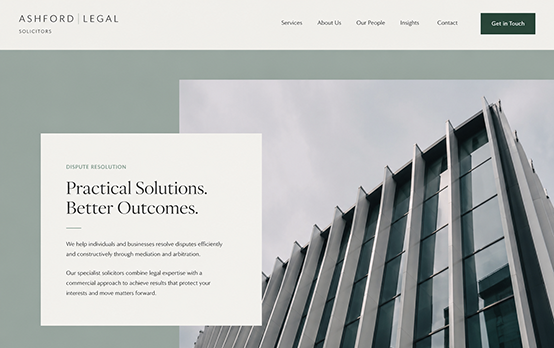
Helping Legal Clients Match Their Matter to the Right Practice Area.
Legal clients rarely browse casually. They often arrive from search or a referral with a specific matter, deadline or concern. Before calling, they need to know whether you handle their issue, who will advise them, where you are based and what happens next.
Many law firm websites make that decision harder than it should be. Services sit behind vague labels, solicitor profiles read like internal CVs, contact points feel buried and useful guidance is disconnected from enquiry forms. Weak mobile layouts, thin proof and unclear transparency information can quietly lose good instructions.
We connect the legal issue, solicitor and next step. We build practice-area pages, profile content, office details, testimonials, FAQs and secure forms that work together, so people compare expertise, understand fit and make contact without unnecessary doubt or friction.
Begin Your Project
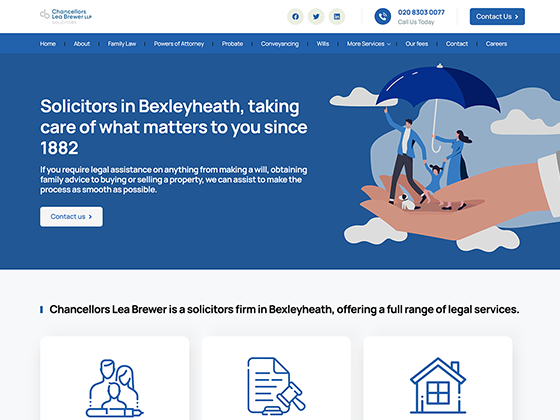

Building SRA Transparency & Pricing Into Solicitor Websites.
The SRA requires firms to publish price and service information for certain work types, including conveyancing, probate, immigration, employment tribunals, debt recovery and licensing. We structure that information so it is easy to find, clearly presented and connected to the relevant practice-area pages, rather than buried on a single page visitors rarely reach.
We also build the SRA digital badge and the “authorised and regulated by the SRA” wording into the design, placed where visitors expect to see regulatory confirmation. We present complaints information, the firm’s SRA number and transparency content as part of the wider journey, so important detail supports confidence instead of sitting apart from it.
We do not provide legal compliance advice, but we know how this content needs to work on the page. We deliver controlled publishing from a well-planned website design project, so the firm can keep pricing, complaints, regulatory detail and transparency pages accurate over time as requirements and published costs change.
Our Law Firm Website Design Process.
A clear, structured process for law firm websites that need better practice areas, stronger proof and more enquiries.

Discovery & Scoping
Discovery begins by reviewing your practice areas, client types, office locations, solicitor profiles, existing content, enquiry forms and current website performance. This helps us understand how private clients, business clients and referred visitors search for legal help, compare expertise and decide whether to contact the firm.

Strategy & Direction
Strategy maps the structure around how legal clients make decisions. We map urgent enquiries, service research, partner credibility, local office searches, pricing or transparency content, legal insights and consultation requests, so visitors can move from uncertainty to the right solicitor without avoidable confusion.

Wireframe Planning & UX
Wireframes show how key pages work before visual design begins. We organise service pages, profiles, office pages, FAQs, forms and article layouts around clarity, trust and contact, so visitors are not pushed through a generic professional services structure that weakens legal confidence.

Bespoke Design
We design the approved direction in Figma as a bespoke interface, built for your firm rather than adapted from an off-the-shelf law firm template. We shape visual hierarchy, typography, profile layouts, testimonials, accreditations, CTAs and accessibility decisions around confidence, professionalism and ease of use across every screen size.

Development & Production
We develop the design into a responsive bespoke WordPress website with maintainable code, SEO-aware structure and flexible layouts. Internal teams can update practice areas, solicitor profiles, insights, office details, FAQs, testimonials, transparency pages, forms and calls to action without weakening the design as needs change.

Launch & Project Handover
Before the website goes live, we test forms, responsive layouts, page speed, analytics tracking, redirects, metadata, accessibility considerations and content migration details. Your team receives a practical handover, giving the firm a stable legal website that can continue supporting enquiries, publishing and long-term growth after launch.
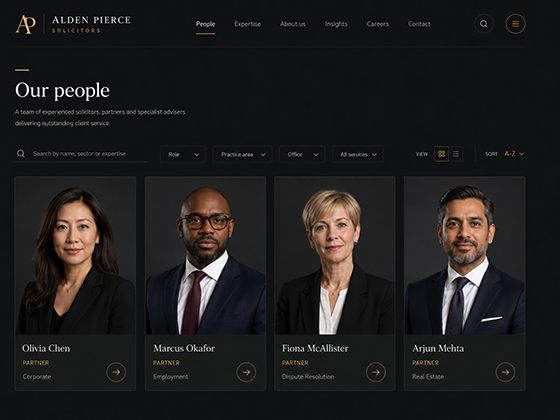
Building Solicitor Profiles That Carry Real Authority.
Profile pages are where most legal clients decide who to instruct. We build them to carry genuine authority, presenting each solicitor’s specialisms, years of experience, qualifications, SRA practising status and the matters they handle, so visitors can judge expertise before they make contact.
Our layouts give accreditations the prominence they earn. Law Society panel membership, the Conveyancing Quality Scheme, Lexcel, specialist accreditation schemes and rankings such as Legal 500 or Chambers all signal credibility, and we place them on profiles and practice-area pages where clients weigh up their choice.
Profile pages connect to practice-area pages, location pages, insight articles and secure enquiry forms, so a visitor moves from a solicitor’s expertise to the right next step without friction. As a specialist WordPress agency, we build a structure internal teams can keep accurate as profiles and accreditations change.
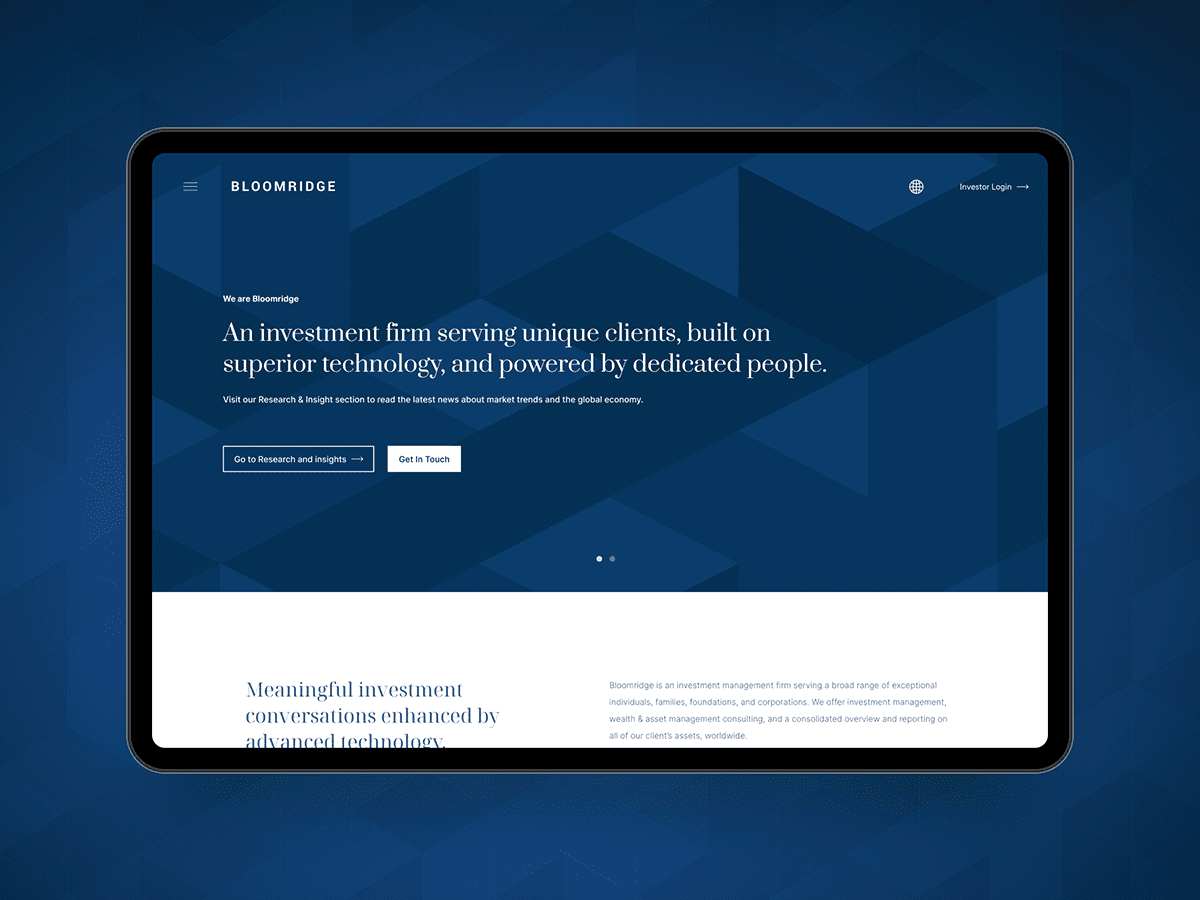
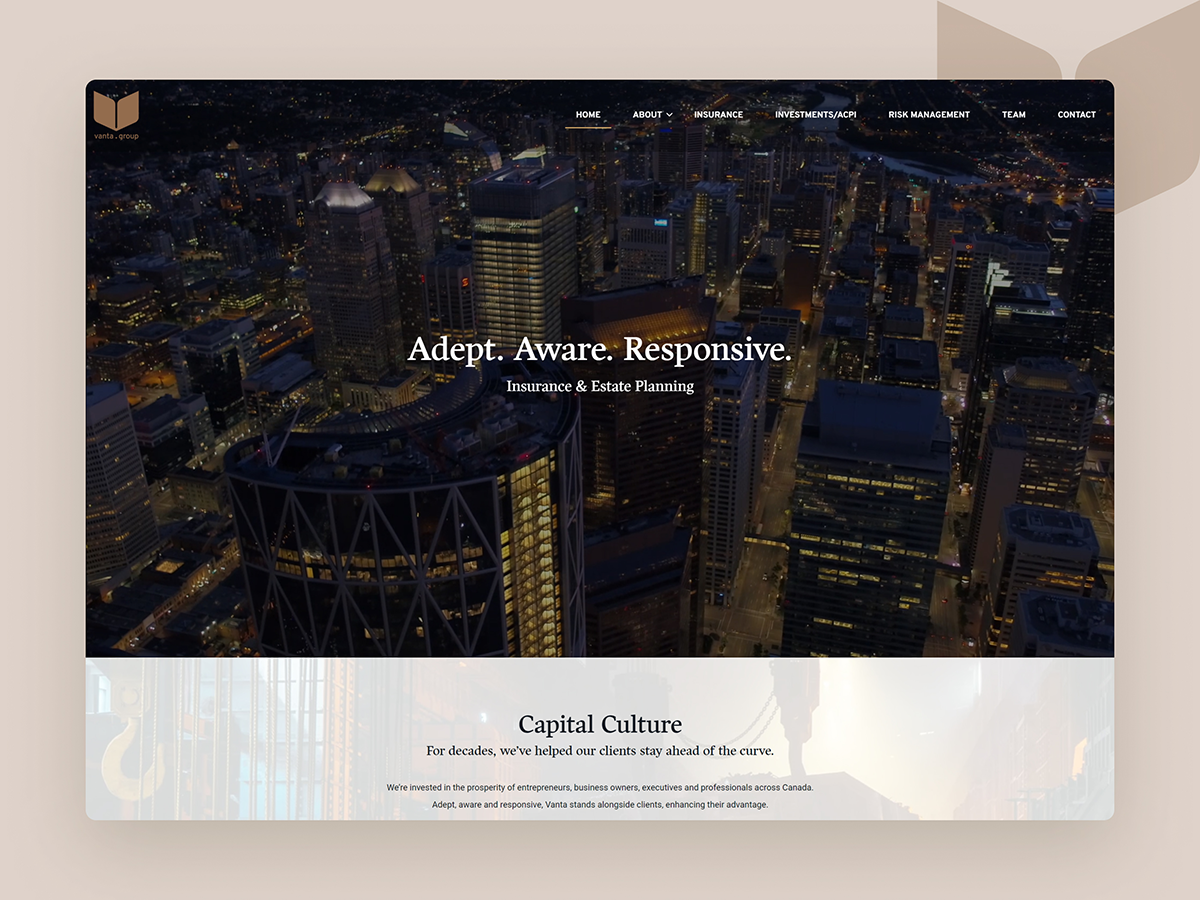
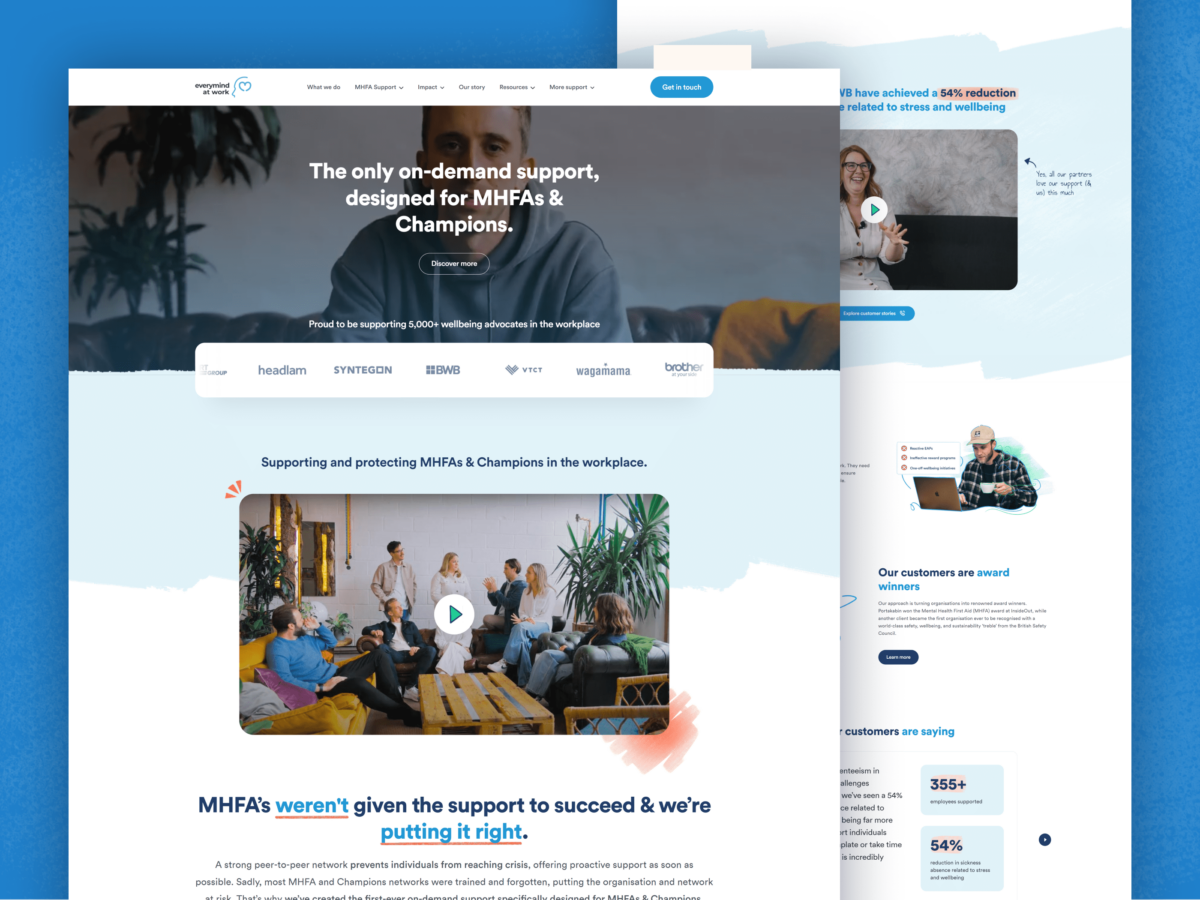
Relevant Trust-Led Projects.
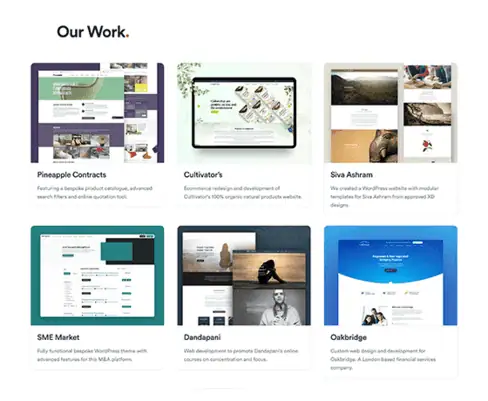
Relevant work showing enquiry flows, accessibility and scalable WordPress architecture.

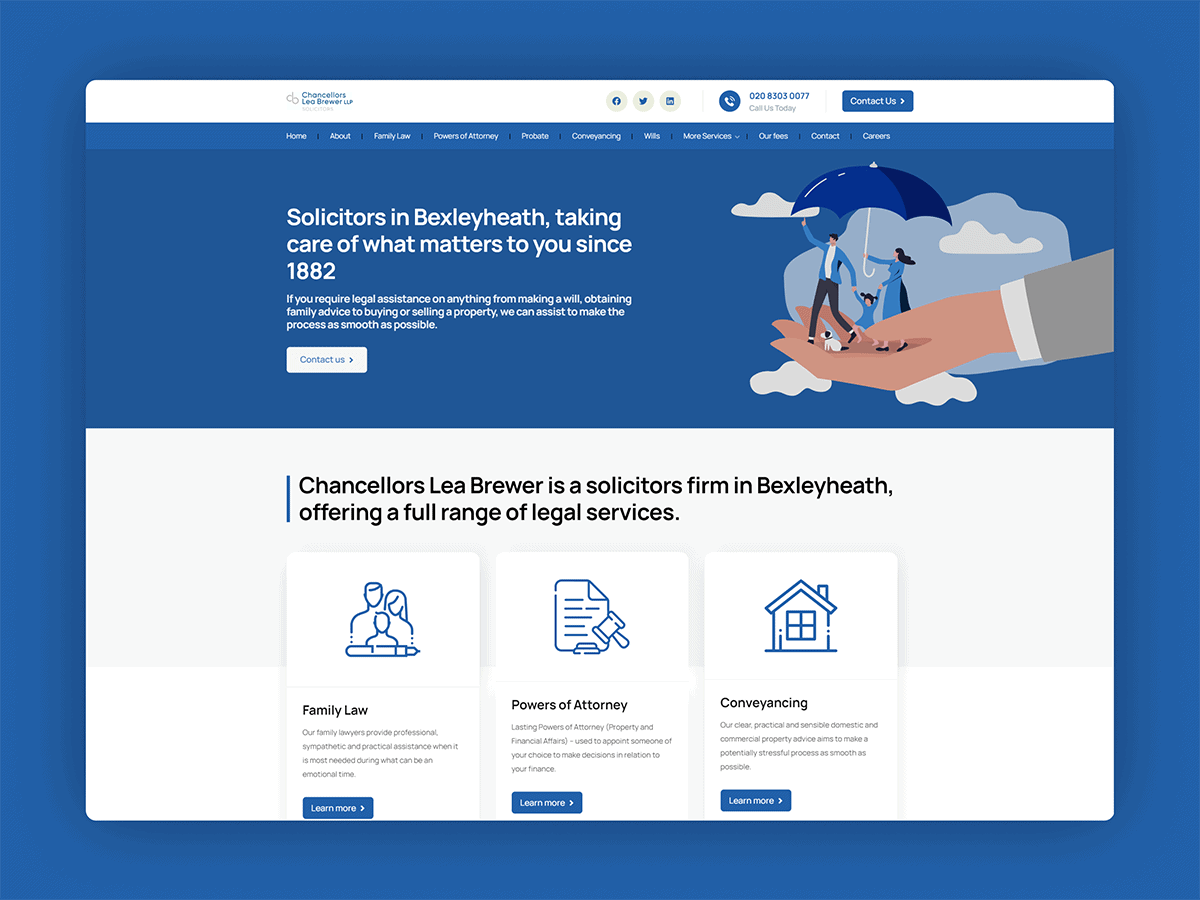
Types of Law Firms We Help.
Websites for legal practices with service-led content, trust-building needs, solicitor profiles and clear enquiry forms.

High Street Solicitors
Clear local websites with practice areas, office details, solicitor profiles and contact options for private clients comparing nearby firms.

Boutique Law Firms
Distinctive websites for specialist practices, explaining niche expertise clearly while avoiding the look of a generic legal template online.

Commercial Law Firms
Structured websites for firms, with service pages, partner profiles, case evidence and enquiry forms for complex instructions.

Private Client & Family Firms
Bespoke websites with reassuring language, clear next steps and solicitor experience for clients needing confidence.

Property & Conveyancing Firms
Practical websites with quote forms, FAQs, location details and clear ways to request support during property matters.

Multi-Office Firms & Chambers
Scalable websites for larger practices, regional firms and chambers with multiple profiles, locations, service areas and publishing needs.


Why Choose Webpop Design for Law Firm Websites.
Law firm websites need more than strong design. We suit firms that need practice areas organised to address actual client problems, solicitor profiles presented with authority, client proof placed where decisions happen and contact options that suit sensitive, commercial or urgent legal matters. We build bespoke, and we plan the work around how people choose who to instruct.
We carry the same standard into the build. We deliver responsive layouts, accessibility, fast performance, SEO-friendly foundations and scalable WordPress templates that keep the website useful after launch. Internal teams manage service pages, profiles, insights, FAQs and location content confidently, while prospective clients get a consistent, trusted path through the firm.
Request a ProposalAwards & Credentials.
Recognised across respected design, development and digital platforms for delivery.












Trusted by Clients Needing Reliable Website Delivery.
Client feedback on clear communication, reliable delivery and bespoke website projects.

Tim Marshall
Allegiant Finance

Emma Griffiths
Synchtank

Emily De Jesus
LS Tractor USA

Alan Harder
Tango Financial

Dan Garner
Xibo
Law Firm Website Tools, Software & Integrations.
Webpop Design can help organise practice areas, solicitor profiles, office pages, insights, FAQs and enquiry paths so visitors can understand the firm more easily and internal teams can manage content more confidently.
We can build CRM-ready enquiry forms, consultation booking links, client intake forms, document request forms, newsletter sign-ups, review widgets, live chat, office location tools, analytics tracking and case management handover. Feasibility depends on the platform, API access, documentation, plugin quality, licensing, security requirements and existing setup.





















Frequently Asked Questions.
Answers to the most useful questions law firms ask before starting a website build with Webpop Design.



How much can a law firm website cost?
Bespoke law firm website projects often start from around £8,000+, depending on the number of practice areas, solicitor profiles, office pages, integrations and content migration required. Larger firms with several departments, locations, article libraries or client intake requirements usually need a more detailed scope before a reliable fixed quote can be provided.
How long will a law firm website take to build?
A typical bespoke law firm website takes around 10–12 weeks from discovery to launch. Timelines depend on design approval, content readiness, stakeholder feedback, solicitor profile information, migration requirements, integrations and how quickly key decisions are made during planning, design, development, testing and final pre-launch review.
Can you redesign our existing law firm website?
Yes. A redesign can improve structure, mobile usability, enquiry forms, practice-area pages, solicitor profiles and credibility signals while protecting important existing content. Before planning the new site, we would review the current structure, analytics, search visibility, redirects, content quality and any pages already supporting enquiries or rankings.
Do you build bespoke WordPress websites for law firms?
Yes. WordPress can work well for law firms that need control over practice areas, solicitor profiles, insights, FAQs, office pages and calls to action. The website itself is still designed and built bespoke, with WordPress used as the publishing platform rather than an off-the-shelf legal template.
Can the website include practice-area pages and solicitor profiles?
Yes. Practice-area pages and solicitor profiles are usually central to a strong law firm website. They help visitors understand the services offered, compare expertise, identify the right person to contact and feel reassured before making an enquiry. These sections can be structured as reusable templates for long-term content management.
Can you help with SRA transparency and pricing pages?
Yes. Published pricing applies to specific work types such as conveyancing, probate, immigration and certain employment and debt matters, and we structure those pages so the required detail is easy to find and properly connected to the relevant practice areas. We do not provide legal compliance advice, but we know how the content needs to work on the page, and we build it so your team can keep published costs accurate over time.
Can you help protect SEO during a law firm redesign?
Yes. SEO migration planning can include reviewing existing rankings, mapping important URLs, planning redirects, preserving useful content, improving metadata and strengthening practice-area structure. The aim is to modernise the website without losing valuable visibility for legal services, office locations, solicitor profiles or existing content that already performs.
Can the site include secure enquiry and consultation forms?
Yes. Law firm websites can include secure enquiry forms, consultation request forms, document request forms and CRM-ready fields where appropriate. The exact setup depends on the firm’s privacy requirements, enquiry process, form logic, notification rules and whether enquiries need to be routed by office, department or practice area.
Can you connect forms to our CRM or case management system?
Potentially, depending on the system. CRM and case management integrations depend on API access, documentation, licensing, plugin quality, security requirements and how the firm wants enquiries handled. Any integration involving sensitive legal enquiries, client intake or document workflows should be scoped carefully before a fixed approach is confirmed.
Can our team update profiles, insights and service pages?
Yes. The website can be built with structured templates for practice areas, solicitor profiles, office pages, FAQs, insights, testimonials and landing pages. This helps internal teams keep content accurate without damaging the design, while still allowing sensible governance around approvals, regulatory information and important client-facing updates.
Create a Law Firm Website That Turns Legal Research Into Confident Enquiries
Create a website that helps legal clients understand services, trust your solicitors, identify the right practice area, access office details and submit enquiries. Start a conversation with Webpop Design about your law firm redesign.
Request Your ProposalSectors & Expertise.
Explore related sector pages for clearer content, bespoke design and stronger enquiries.
-
 Aerospace
 -
 Banks
Banks -
 Car Dealerships
 -
 Charities
 -
 Churches
 -
 Construction
 -
 Corporate
 -
 Dating Agencies
 -
 Dental Practices
 -
 Entertainment
 -
 Estate Agents
 -
 Farm Shops
 -
 Finance
 -
 Florists
 -
 Garden Centres
 -
 Government
 -
 Healthcare Providers
 -
 Higher Education
 -
 Home Care
 -
 Hospitals
 -
 Hostels
 -
 Hotels
 -
 Industrial Companies
 -
 Insurance Firms
 -
 Law Firms
 -
 Libraries
 -
 Locksmiths
 -
 Membership Websites
 -
 Model Agencies
 -
 Theatres
 -
 Pubs & Bars
 -
 Recruitment Agencies
 -
 Removal Companies
 -
 Restaurants
 -
 Retailers
 -
 Schools
 -
 Self Storage Companies
 -
 Small Businesses
 -
 Tattoo Studios
 -
 Travel Agents