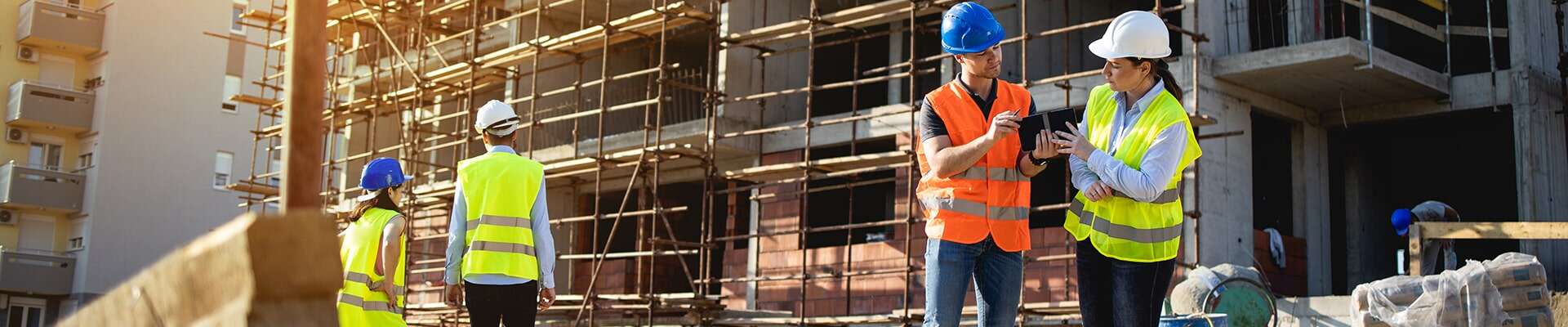
Construction Web Design Agency
Construction websites need to prove capability before homeowners, developers, commercial clients and procurement teams enquire. Webpop Design creates credible websites for construction companies that need to showcase completed work, support tender opportunities and turn serious visitors into stronger project enquiries.
View Our Work Get a Quote


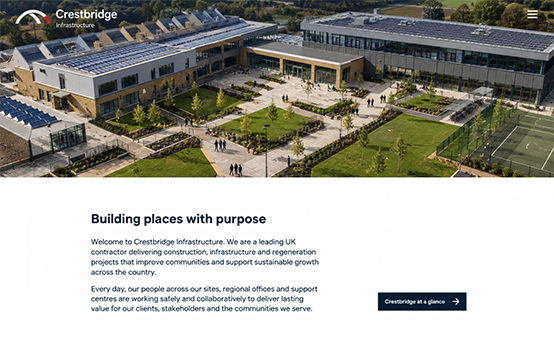
Construction Website Design That Makes Your Capability Clear.
Construction buyers rarely make contact based solely on a first visit to your website. They compare completed projects, check accreditations, review service coverage, look at locations and decide whether your company appears capable of handling the kind of work they need.
This is where effective website design has to make a construction company look credible to serious buyers. A construction website should show proof of delivery, explain services clearly, make safety credentials easy to find and guide visitors towards the right route, whether that is a quote request, project discussion or tender enquiry.
We shape construction websites around how serious buyers compare, check and shortlist contractors. The aim is to make your project experience, credentials and services easier to judge, so serious visitors can build confidence before they speak to your team.
Start a Web Project
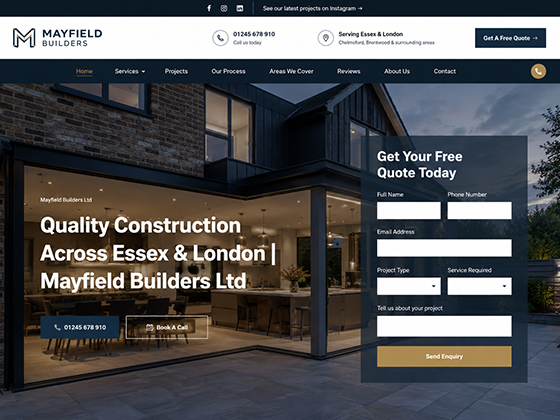
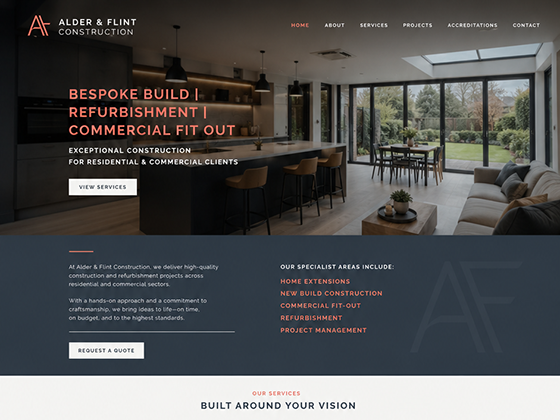
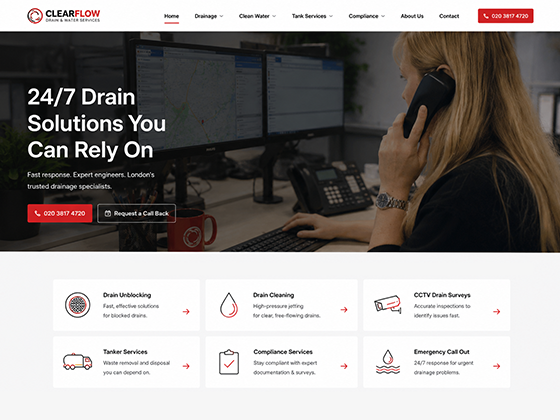
Built For Homeowners, Commercial Clients & Procurement Teams.
A homeowner may arrive looking for reassurance that you have completed similar work, understand the property type and offer a clear route to request a quote. Project photos, reviews, service detail and simple next steps all help your company feel credible before they get in touch.
Commercial clients usually need a different kind of evidence. They may want to see project scale, sector experience, delivery approach, locations covered and whether you have handled similar requirements before. Clear case studies help them understand capability without digging through disconnected project images. That clarity is often what moves your company onto a commercial client’s shortlist.
Procurement teams often need practical information quickly. Accreditations, safety credentials, policies, insurance details, downloadable documents and tender channels should be easy to find. For more complex requirements, such as project-specific quote forms or secure document uploads, plugin development can help turn those enquiries into a more structured workflow.
Our Construction Website Design Process.
We plan construction websites around project proof and enquiry quality, so every stage supports how clients assess your business.

Website Discovery
The project starts by understanding your services, project types, locations, accreditations and the audiences your website needs to support. That may include homeowners, developers, commercial clients, procurement teams, subcontractors or partners, each looking for different evidence before they make contact.

Project Direction
The website is shaped around the information construction buyers need before shortlisting you. This includes how services should be grouped, how completed projects should be presented, where credibility signals should appear and how enquiry processes should work for quotes, tenders and project discussions.

UX & Layouts
We plan the structure of the key pages before design begins, including service pages, project case studies, location content, accreditation areas and enquiry forms. The aim is to make the website easy to navigate, whether someone is reviewing your work on desktop or checking credentials on mobile.

Bespoke Design
The visual design is shaped around your construction brand, project photography and commercial positioning. Instead of using a generic template, we design layouts that make completed work, services, sectors and credentials clear, credible and easy to assess for clients weighing up your business.

Development & Production
We create the website in WordPress with flexible content management, so your team can update projects, services, locations, accreditations and news after launch. Where needed, we can also support custom forms, document uploads, integrations and more advanced contractor enquiry workflows.

Final Handover & Launch
Ahead of go-live, the website is tested across devices, key enquiry paths are checked and the site is prepared for search visibility. We then hand over a manageable WordPress setup, so your construction website can keep improving as projects finish, services change and credentials are renewed.
Construction Case Studies That Help Buyers Shortlist You.
Completed projects should become evidence that wins enquiries. A strong construction case study helps buyers understand the work delivered, where it took place, the sector involved, the project scope and the problems solved along the way. That detail gives visitors evidence they can judge before starting a conversation.
No two construction projects are the same, so we build project pages with flexible content fields, letting your team add a phasing timeline to one, material specs or a structural challenge to the next, without a developer or a rigid template. Timelines, site challenges, materials, delivery approach, client requirements and outcomes help turn finished work into a clearer story. This matters when a referred visitor wants to confirm that your company has handled similar work before making an enquiry.
Project proof also needs to load quickly and feel easy to browse. Large image-heavy galleries are exactly what bloated themes struggle with, and the buyer checking your work is often doing it on a phone on site, on patchy signal, which is why site speed is critical on a bespoke construction build. Structured properly, project pages reassure potential clients, strengthen tender bids and convert referrals into higher-quality enquiries.
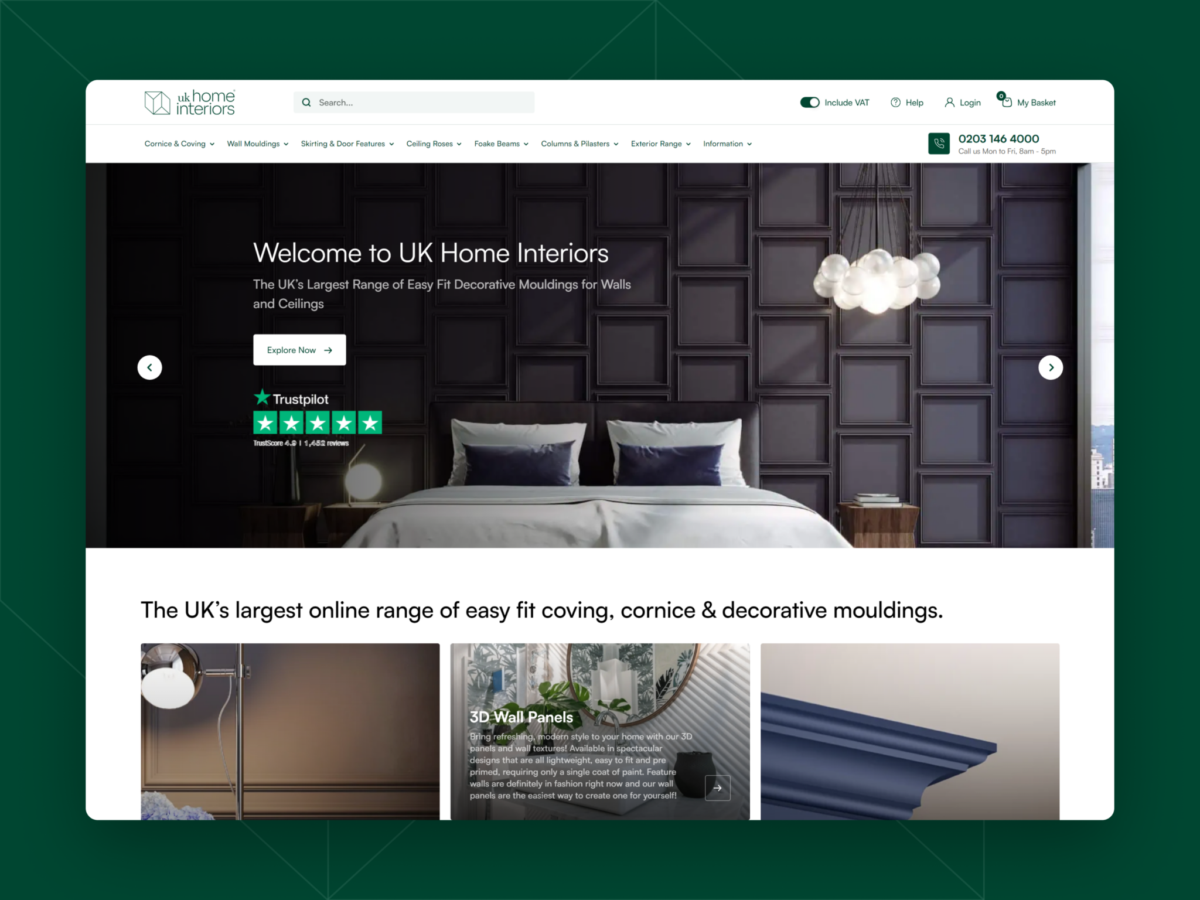
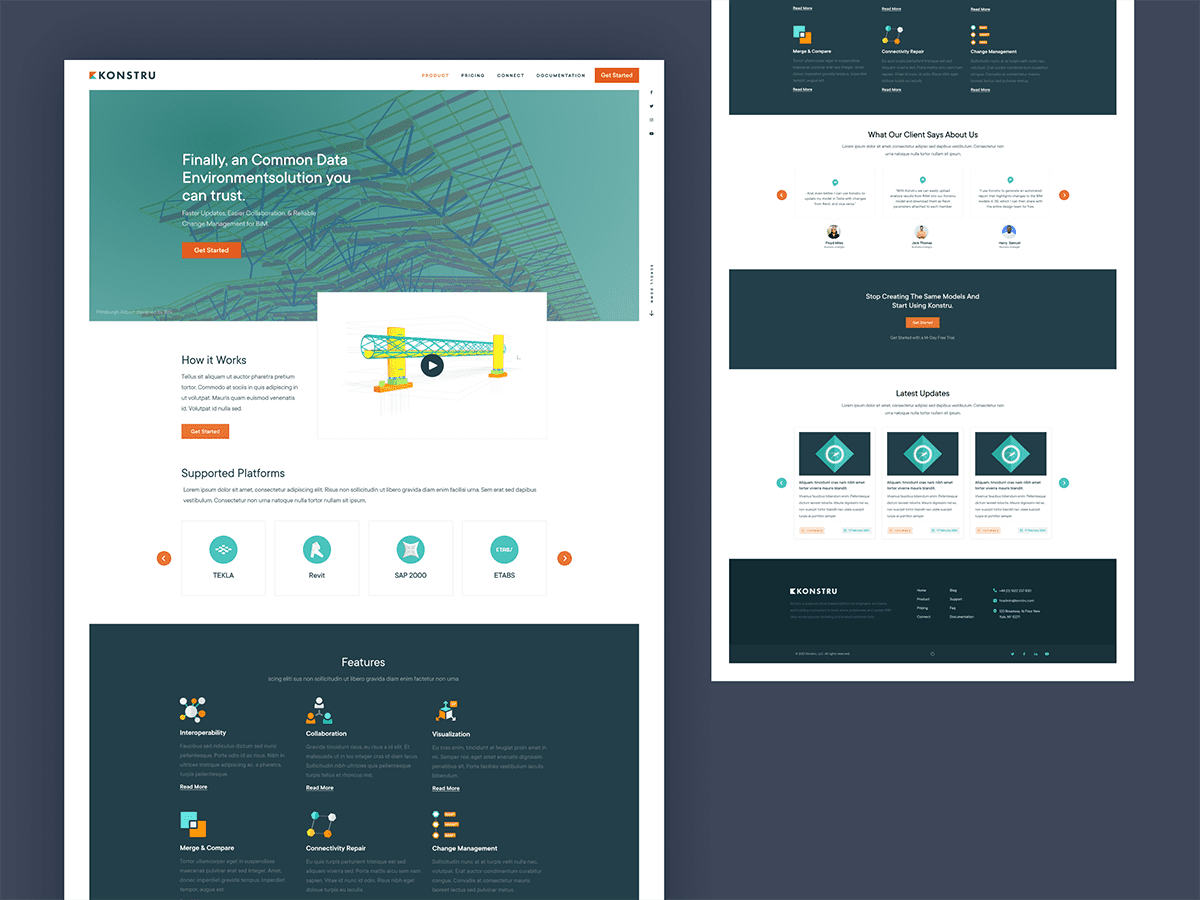
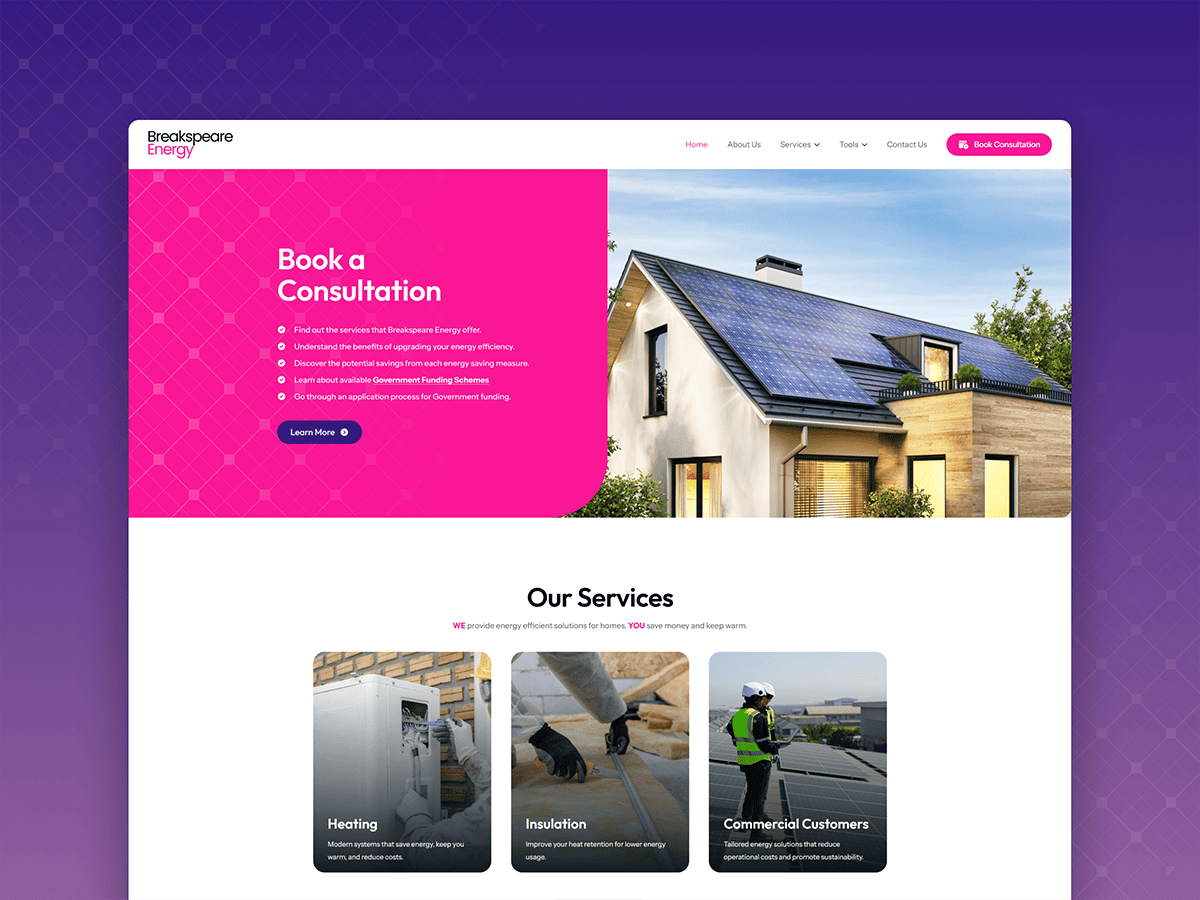
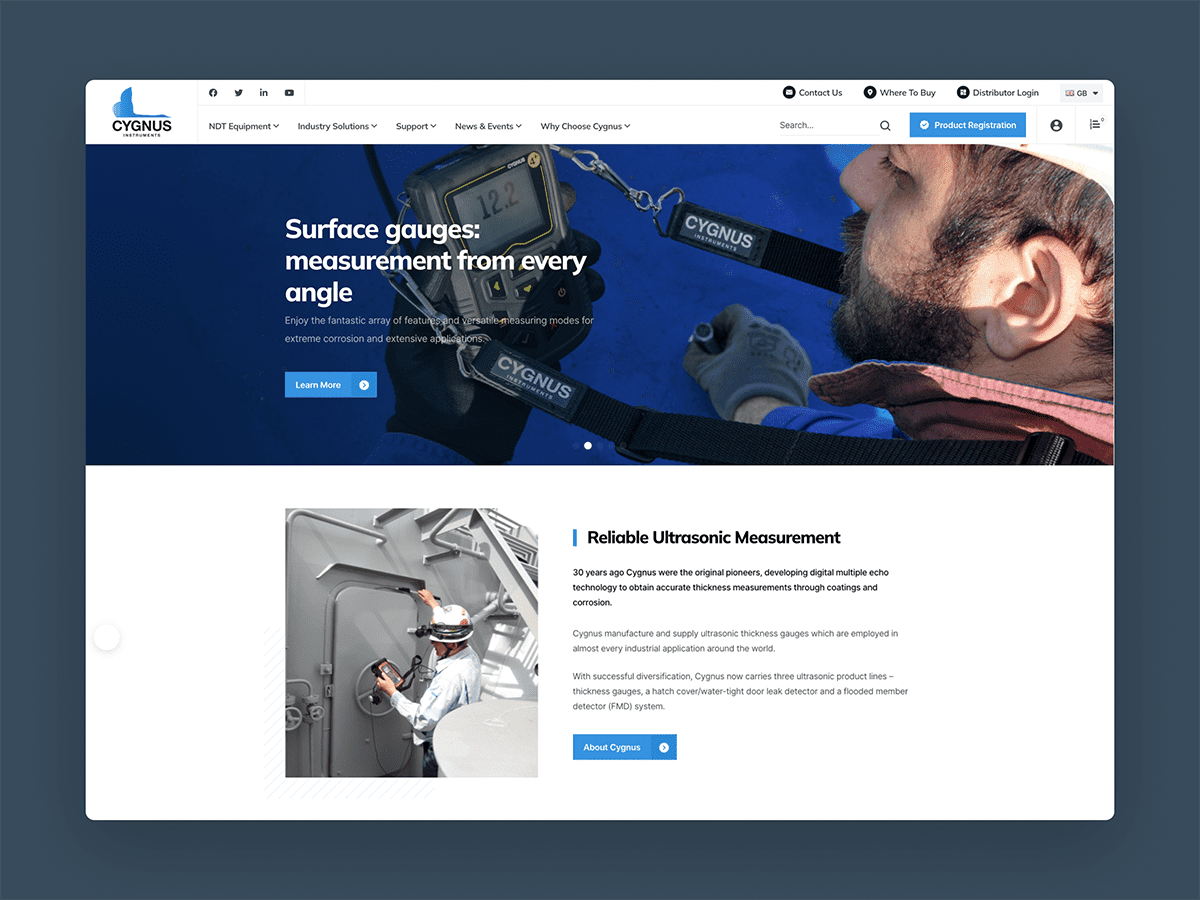
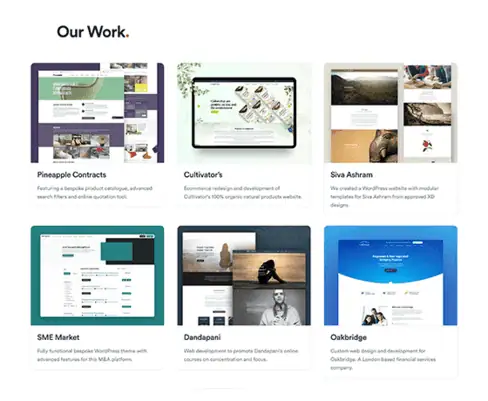
Selected Website Projects.
Selected work showing structure, design and enquiry journeys for project-led businesses.
Construction Businesses We Help.
Websites for construction and built-environment firms that need to explain services, sectors and project capability clearly.

Main Contractors
Websites for main contractors who need to present project experience, accreditations and team capability to commercial clients and procurement teams.

Civil Engineering Firms
Bespoke websites for civil engineering firms that show infrastructure work, technical capability, site challenges and completed projects credibly.

Commercial Fit-Out Contractors
Websites for fit-out contractors that explain sectors, phasing, live-site experience and delivery approach for office, retail and commercial projects.

Groundworks Companies
Sites for groundworks companies that highlight foundations, drainage, enabling works and site preparation experience for main contractors and project teams.

M&E Contractors
Websites for M&E contractors that present service coverage, certifications, technical expertise and project evidence for complex installations.

Construction Suppliers
Custom websites for construction suppliers that support product discovery, technical information, sector relevance and enquiry options for buyers.
Why Construction Companies Choose Webpop Design.
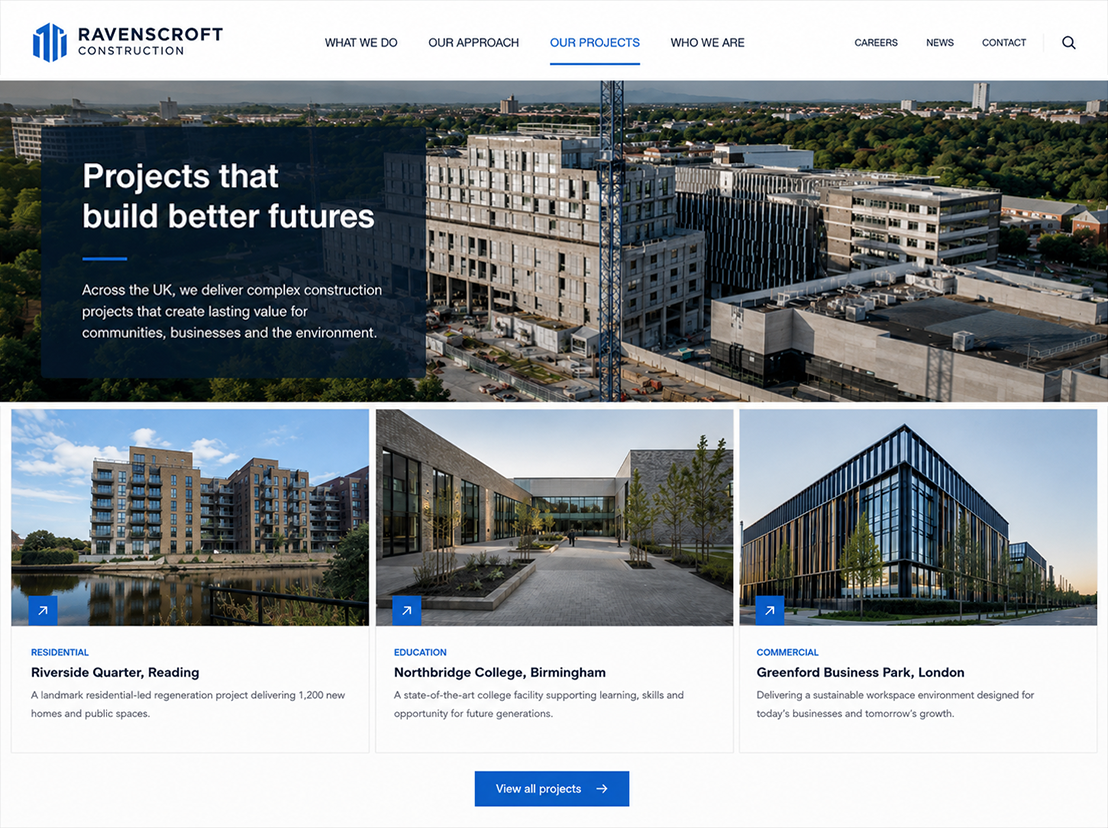
A construction website has to convince serious buyers quickly. It should make projects easy to assess, explain services clearly and place trust signals where buyers look. Webpop Design is a London web design agency combining hands-on design, UX planning, content structure and bespoke WordPress development to create construction websites that support serious enquiries without relying on generic templates.
We plan around how construction buyers make decisions, from checking completed work and accreditations to assessing sectors, locations and project capability. You get a credible site that performs properly, protects search visibility and stays easy to maintain as projects, services and credentials change.
Request Your ProposalProfessional Recognition & Credentials.
Recognition across respected design, development and review platforms helps support client trust.









Reviews From Clients Who Wanted Real Commercial Results.
Client feedback on communication, planning, delivery and practical website work.

Tim Marshall
Allegiant Finance

Emma Griffiths
Synchtank

Emily De Jesus
LS Tractor USA

Alan Harder
Tango Financial

Dan Garner
Xibo
Construction Website Tools, Software & Integrations.
Construction websites often need to support real enquiry workflows. Enquiries may need qualifying, documents may need to be collected securely, and project details may need to reach the right person without adding admin.
That might include CRM platforms, tender enquiry forms, quote request forms, secure document uploads, analytics, email marketing tools, project galleries or internal workflows for managing new enquiries. We plan these requirements early, so the website supports your process without promising fixed integrations before proper scoping. This keeps the build practical while leaving space for the right technical decisions once the requirements are clear.














Frequently Asked Questions.
Answers to common questions construction companies ask before beginning a new website project with Webpop Design.



How much should construction web design cost?
The cost depends on the size of the site, the number of service pages, how many projects need turning into case studies and whether you need quote forms, downloads, integrations or tender enquiry forms. We scope the website around the content and functionality your construction business actually needs, then provide a clear quote before work begins.
How long can it take to build a construction website?
A smaller construction website may move faster, while a larger contractor site with detailed case studies, accreditations, sector pages and enquiry workflows will take longer. The timeline is usually shaped by content, photography, approvals and technical requirements. We set clear stages, so the project keeps moving while your team is busy on site.
Can you redesign an existing construction website?
Yes. A redesign can keep the useful parts of your current site while improving structure, design, speed and enquiry flow. For construction companies, this often means turning old project galleries into stronger case studies, making accreditations easier to find and creating clearer options for quotes, tenders and commercial enquiries.
Do you build construction websites in WordPress?
Yes. WordPress is a strong fit for construction websites because your team can update projects, services, accreditations, locations and news without rebuilding pages each time. We can create a controlled admin setup, so the website stays easy to manage while the design remains consistent and professional.
Can you help with SEO migration during a redesign?
Yes. If your existing construction website has useful rankings, project pages or service URLs, they should not be moved carelessly during a redesign. We can review the current structure, map redirects, preserve valuable content and rebuild the site around clearer service, project and location pages to reduce the risk of losing search visibility.
Can our website include construction project galleries?
Yes. We can build project galleries into the site, but the strongest construction project pages need structure, not just photos. We can structure projects with location, sector, scope, challenges, process, timelines and outcomes, so buyers can see the relevance of your work before requesting a quote or inviting a tender.
Can we show CHAS, Constructionline and other accreditations?
Yes. Accreditations, insurance details, safety credentials, policies and certificates can be presented in a clear, organised way. This helps developers, commercial clients and procurement teams check credibility before they speak to you. It also reduces repeat admin when people ask for the same documents more than once.
Can you build quote request forms for construction enquiries?
Yes. A construction quote form can collect more useful information than a standard contact form, including project type, postcode, timescale, budget range, drawings, documents and key requirements. This helps your team understand the enquiry earlier, filter poor-fit leads and respond properly to serious opportunities.
Can the website support tender enquiries?
Yes. Tender enquiry processes can be planned into the website, especially for contractors that need to receive project details, documents or invitations in a structured way. Depending on your process, this could include dedicated tender forms, file uploads, capability downloads, routing rules or links into your existing workflow.
Do you work with smaller builders and larger contractors?
Yes. The website structure should change depending on the business. A smaller builder may need strong local project proof, reviews and clear quote options. A larger contractor may need sector pages, accreditations, case studies, tender information, document downloads and capability content for developers, procurement teams and commercial clients.
Help Buyers See Why Your Construction Company Belongs On The Shortlist
Your website should make completed work, accreditations and contact options easy to assess before a buyer speaks to your team. Speak to Webpop Design about a construction website that helps the right clients see why you belong on the shortlist.
Request an EstimateSectors We Work With.
Explore related sector pages for website guidance across specialist industries and service-led businesses.
-
 Aerospace
 -
 Banks
Banks -
 Car Dealerships
 -
 Charities
 -
 Churches
 -
 Construction
 -
 Corporate
 -
 Dating Agencies
 -
 Dental Practices
 -
 Entertainment
 -
 Estate Agents
 -
 Farm Shops
 -
 Finance
 -
 Florists
 -
 Garden Centres
 -
 Government
 -
 Healthcare Providers
 -
 Higher Education
 -
 Home Care
 -
 Hospitals
 -
 Hostels
 -
 Hotels
 -
 Industrial Companies
 -
 Insurance Firms
 -
 Law Firms
 -
 Libraries
 -
 Locksmiths
 -
 Membership Websites
 -
 Model Agencies
 -
 Theatres
 -
 Pubs & Bars
 -
 Recruitment Agencies
 -
 Removal Companies
 -
 Restaurants
 -
 Retailers
 -
 Schools
 -
 Self Storage Companies
 -
 Small Businesses
 -
 Tattoo Studios
 -
 Travel Agents