
Higher Education Web Design
Higher education web design for universities and colleges that need clearer course pages, open day journeys, enquiry pathways and manageable content. Webpop Design builds bespoke, accessible websites with structured navigation, mobile-friendly layouts and a CMS that admissions, marketing and academic teams can manage.
View Our Work Get a Quote

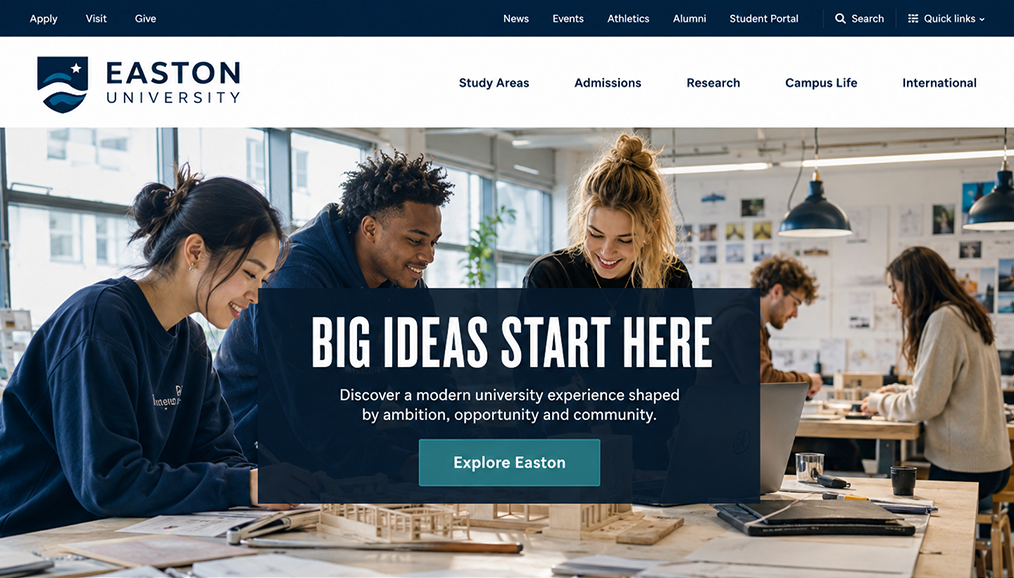


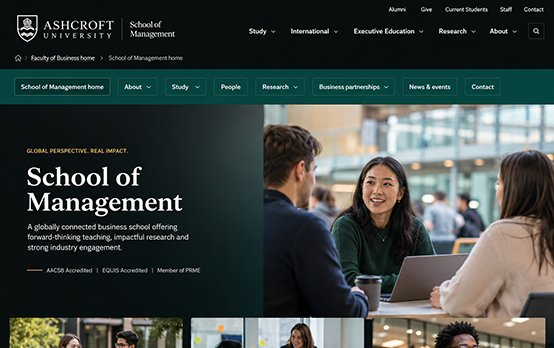
Built Around Student Recruitment and Manageable Content.
A university or college website serves people arriving with very different goals. Prospective students may be comparing courses, checking entry requirements, reviewing fees, exploring accommodation or booking an open day, while parents, international applicants, current students, academics and alumni all need to find the right information on the same site.
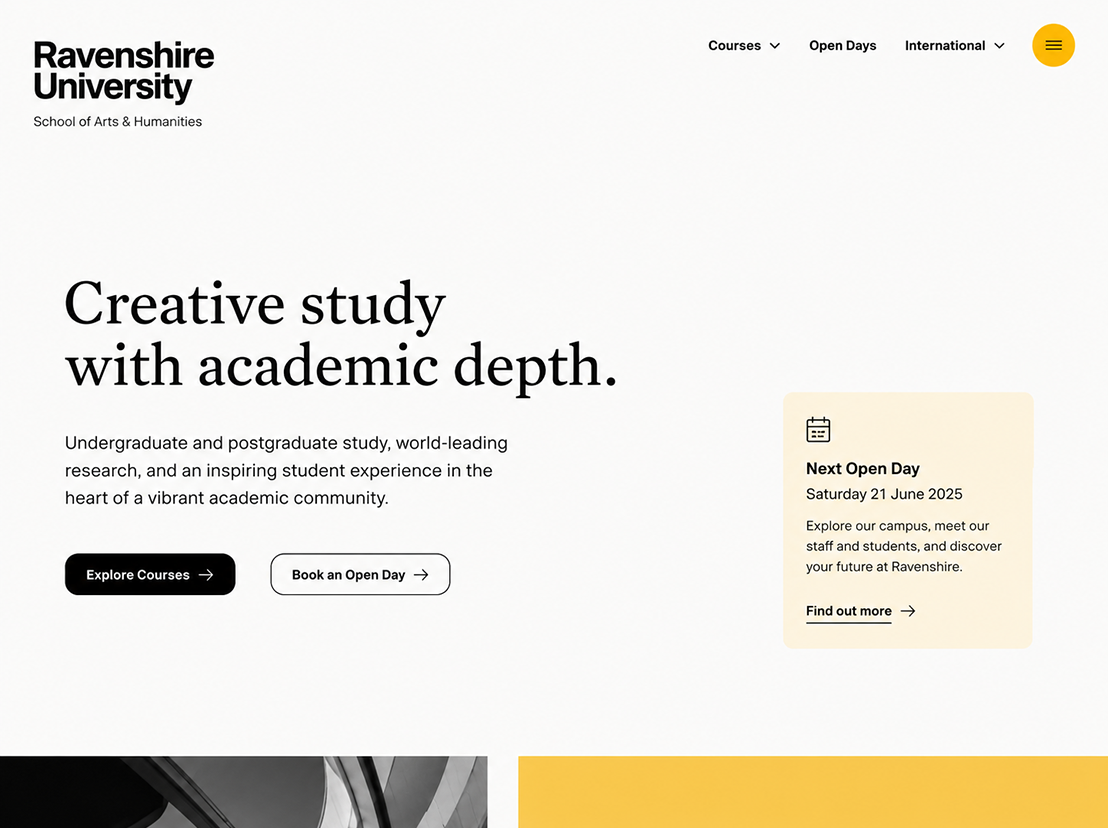
We make those journeys clear, even when the information behind them is complex. Clear course pages, visible open day options, well-structured departments, accessible templates and useful support content help users move from research to enquiry, and structure each journey so prospective students find what they need.
Webpop Design plans these websites around that decision-making process, pairing clear navigation and mobile-friendly design with manageable WordPress development for admissions, marketing and academic teams. We create the site to work smoothly for users while supporting student recruitment and the day-to-day content management teams rely on.
Start a Web Project
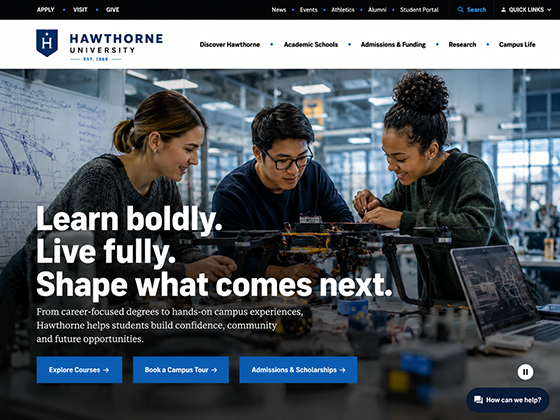
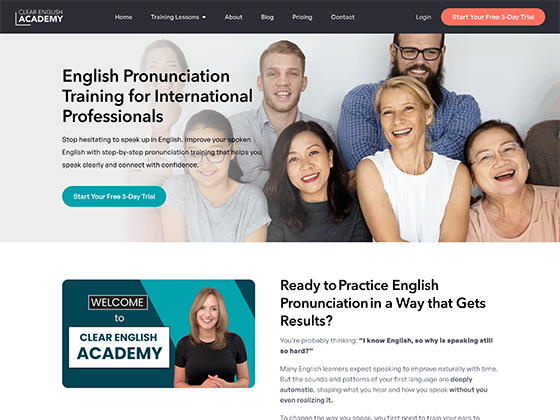
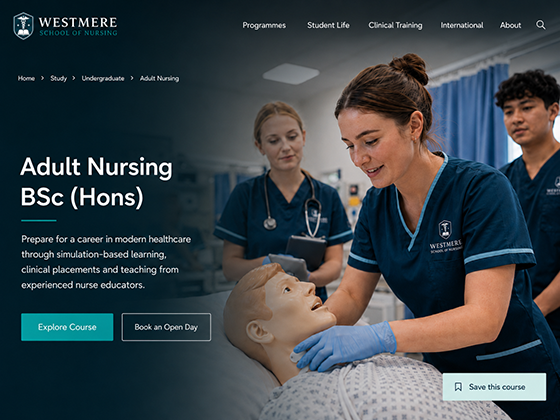
How We Plan for Students, Applicants and Academic Audiences.
Most university websites are organised the way the institution sees itself, by faculty, school, department and directorate. Prospective students do not think in org charts. They think about whether they can study a subject, the grades they need, the cost and when they can visit. We build the journey around those questions, with the institutional structure underneath.
International applicants, parents, carers and advisers need more reassurance before they make contact, and we design for it directly. We surface fees, funding, visa guidance, support services, safety and application forms early, which matters most when someone is weighing several universities and deciding which one feels credible. This differs from school web design, where the journey is often more parent-led.
Academic audiences need the structure students skip past. Researchers, alumni, partners, journalists and internal teams come for department information, staff profiles, reports, media contacts, events, policies or publishing tools. We build that depth in beneath the recruitment journey, so the same site serves the prospective student up front and the academic community behind it.
Our Web Design Process for Universities & Colleges.
Our process for universities and colleges that need stronger student journeys and a website teams can manage.

Insight & Research
We start by understanding your institution, audiences, content structure and current website challenges. This may include reviewing course journeys, admissions pages, open day content, stakeholder needs, analytics, SEO performance and publishing workflows, so the project is shaped to reflect actual higher education behaviour.

Planning & Direction
We define the website structure before design begins, mapping the journeys users need through courses, departments, student life, fees, funding, research and admissions content. The aim is a clearer information architecture that supports recruitment, trust, accessibility, content governance and confident decision-making.

User Journeys & UX
Wireframes help plan the page hierarchy, navigation, calls to action and content priorities before visual design work starts. This stage is especially useful for course pages, open day journeys, application pages, department sections and reusable templates that need to work across large volumes of content.

Bespoke Design
Design work is created in Figma, giving your team a clear view of layouts, responsive behaviour and key page types before development. We shape a bespoke visual system that centres on your brand, student recruitment goals, accessibility needs and the internal content requirements your teams manage.

Technical Build & Development
Approved designs are developed into a WordPress website with clean code, responsive layouts, SEO-aware structure, fast performance and manageable CMS control. Internal teams can update course pages, open days, admissions guidance, research areas, staff profiles, events, forms and resources without breaking the design system.

Handover & Launch
Ahead of launch, we test layouts, forms, mobile journeys, content structures, performance and key user paths. We also support handover, editor guidance and post-launch checks, helping admissions, marketing and academic teams manage the website confidently as courses, campaigns and institutional priorities change.
Turning Complex University Content Into Clear Journeys.
We shape the university websites that move prospective students from research to enquiry. They arrive to compare options, check entry requirements, review fees and funding, explore student life and decide whether to book an open day or apply. We make those decisions easier with clear course pathways, strong above-the-fold messaging, visible calls to action and content that earns trust early in the journey.
A university site grows large through the repetition of page types. The same shapes recur at scale: hundreds of course pages, departments, staff profiles, research areas, accommodation, events and news, each built the same way. We plan those shapes once, so courses, subject areas, international guidance, alumni and campaign pages keep a consistent place as the site grows into the thousands.
This also has to survive everyday editing by teams who are not developers. We build the page types as reusable ACF (Advanced Custom Fields) component blocks, so adding a course or department means filling defined fields, and a new page matches the rest from the start. Teams across the institution publish without the design drifting, and for a wider website redesign the same structure protects search value.
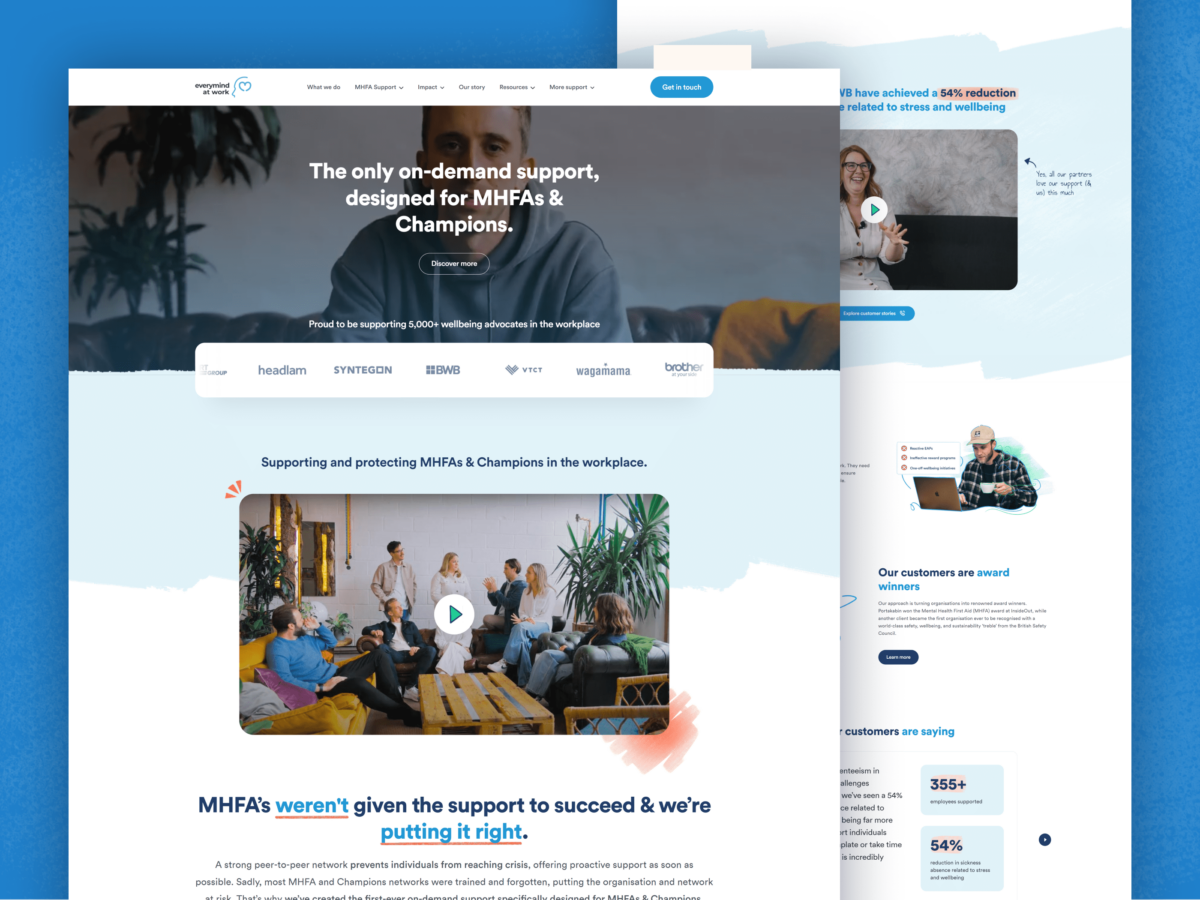
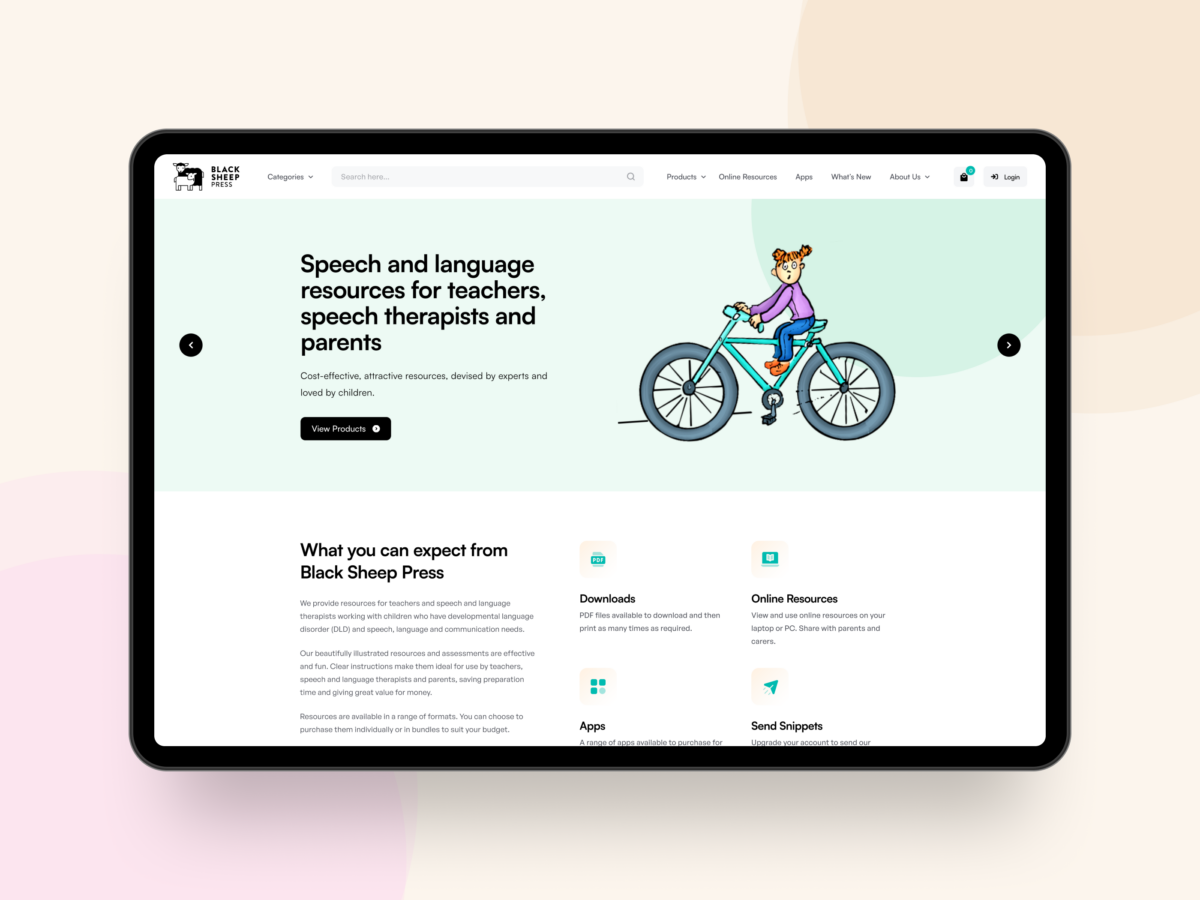
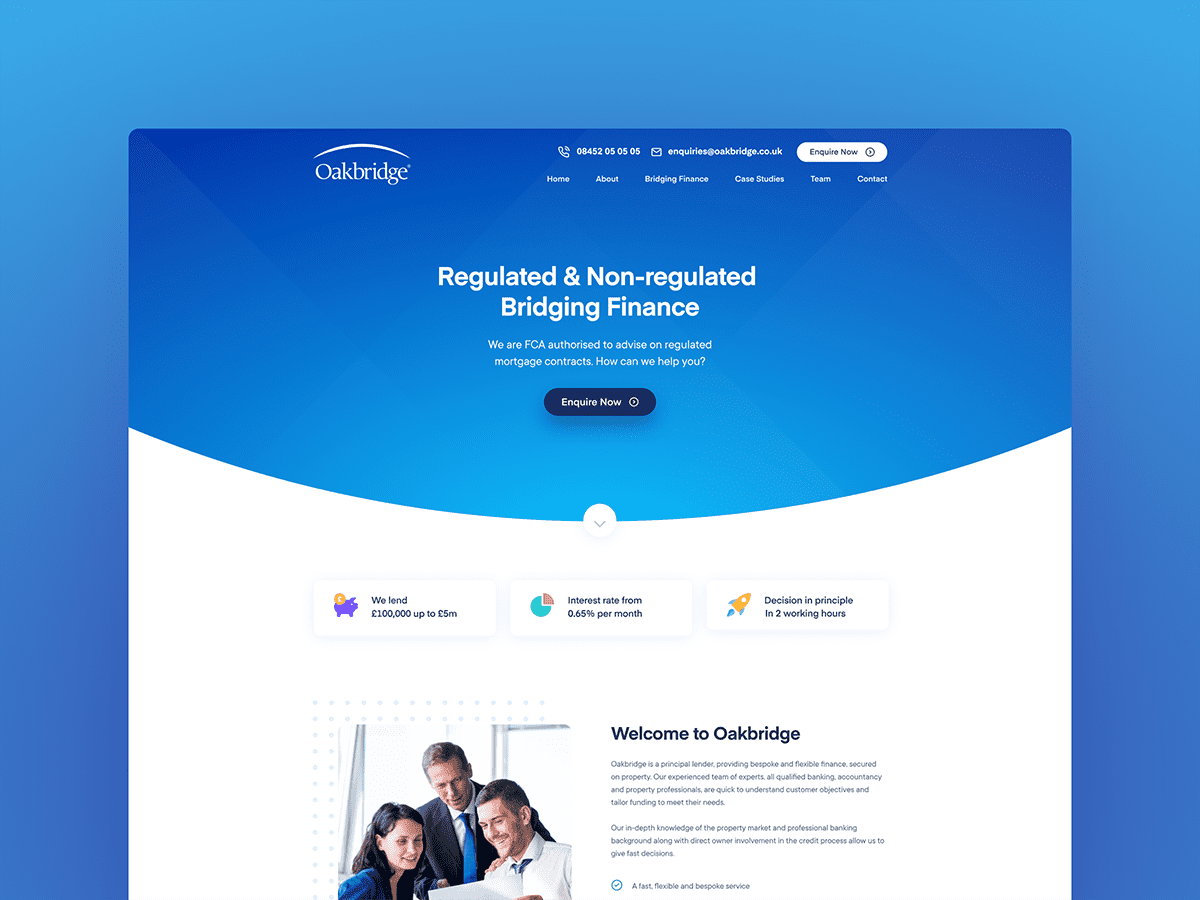
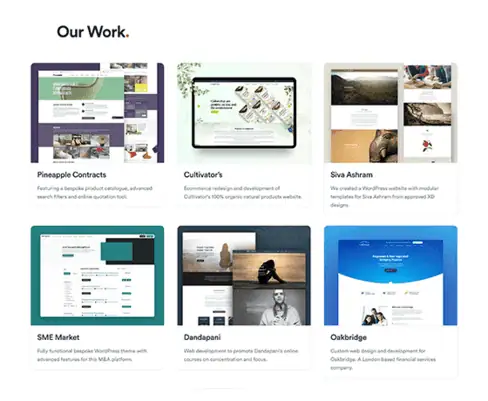
Featured Website Projects.
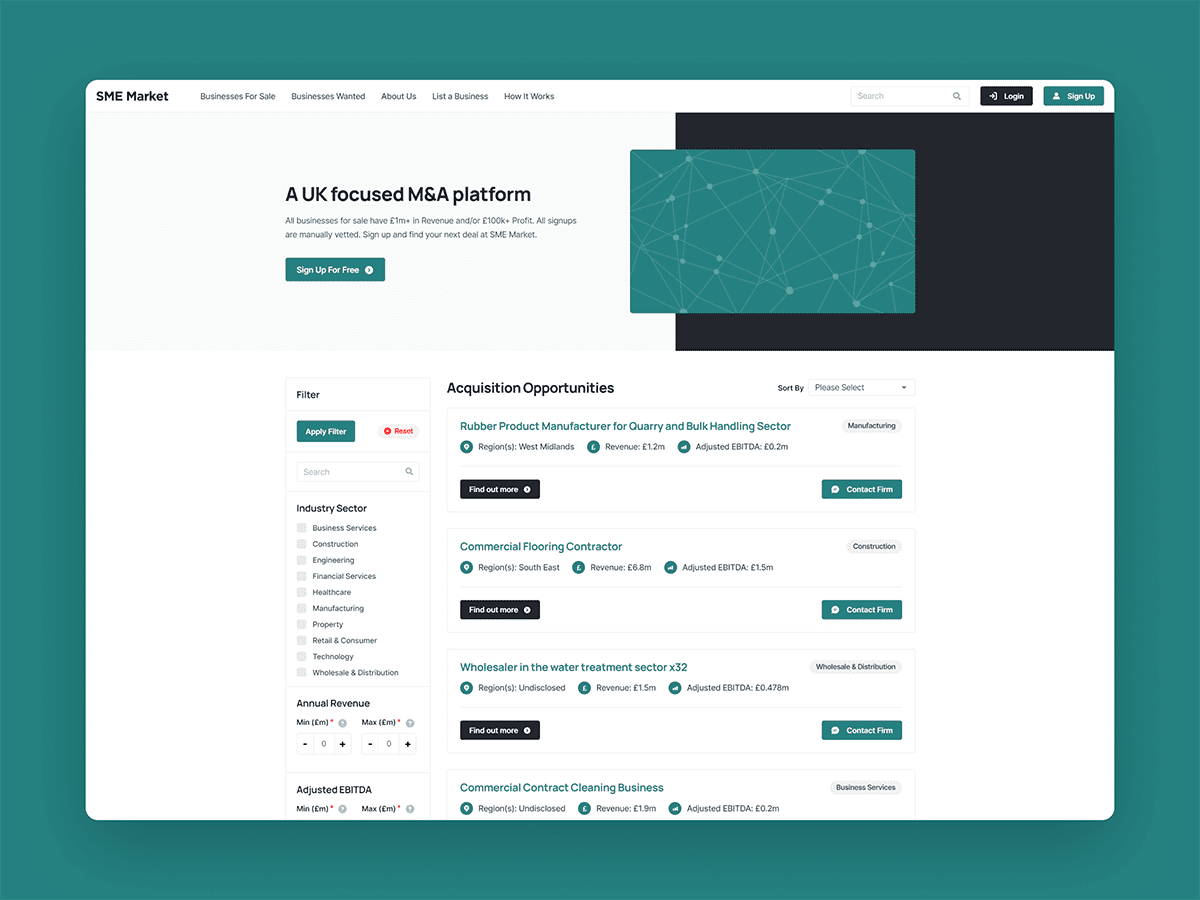
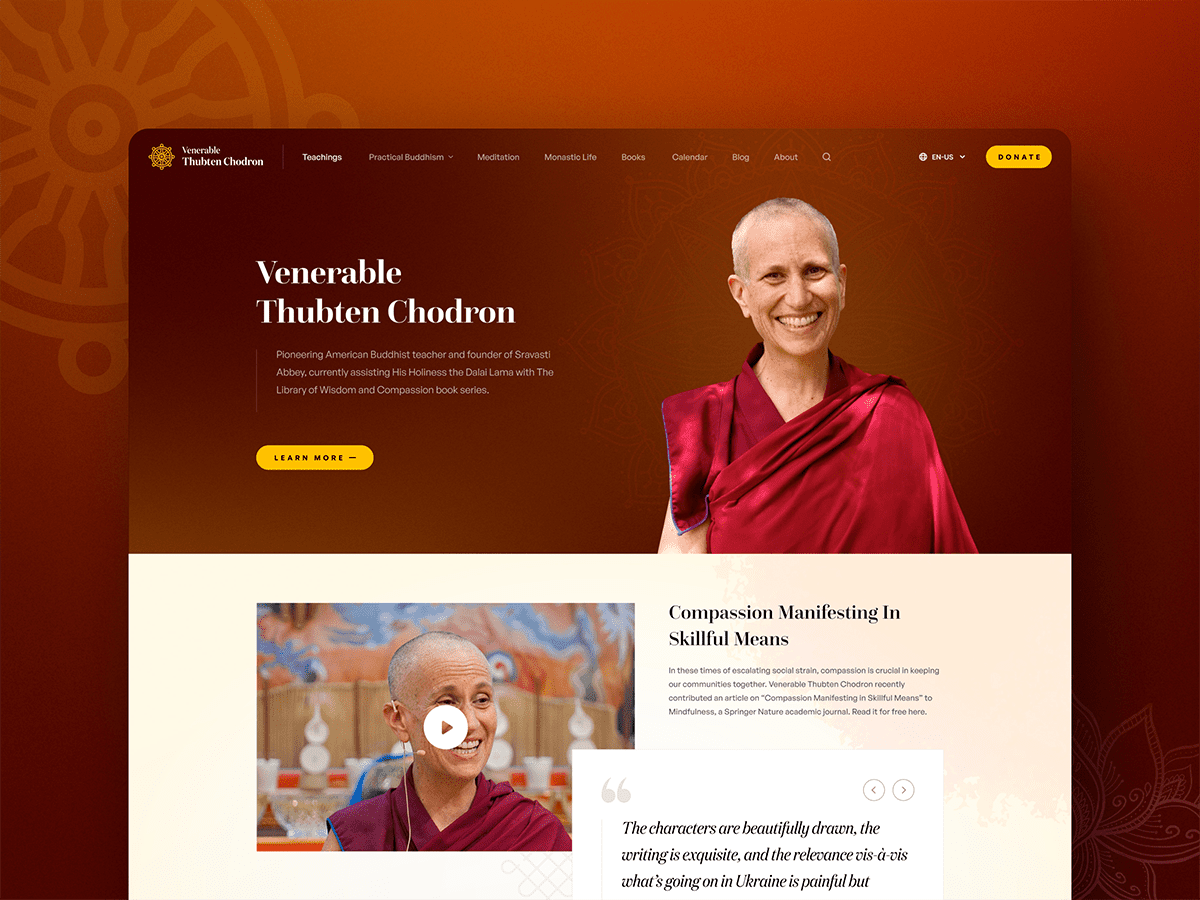
Explore selected projects showing clear UX, structured content, dependable delivery and custom work.
Web Design for Higher Education & Academic Organisations.
For institutions and education teams managing course, admissions, research and student recruitment content.

Universities
Bespoke websites for universities that need clearer course discovery, stronger student journeys and manageable content across departments, faculties and research areas.

Colleges
Structured websites for colleges and further education providers, with clear course information, open day directions, application guidance and practical CMS management.

Academic Departments
Focused websites for faculties, schools and departments that need to present courses, staff, research, events and subject expertise clearly.

Research Centres
Content-led websites for research centres and academic groups, helping organise publications, staff profiles, projects, reports and institutional proof.

Business Schools
Conversion-focused websites for business and specialist colleges that need to present programmes, outcomes, fees and enquiry paths.

Online Learning Providers
Accessible websites for online learning providers that need clear courses, tutor profiles, resources, forms and simple ways to get in touch.

Why Choose Webpop Design for Higher Education Web Design.
Webpop Design is a strong fit for universities, colleges and academic organisations that need a bespoke website planned around their content. Our work is anchored in clear UX, structured content, accessible layouts, fast performance and practical WordPress management, which makes complex information easier for users to navigate and for your team to maintain.
For universities and colleges, that means clearer course comparison, stronger open day and enquiry pathways, organised content, consistent page structures and a CMS that admissions, marketing and academic teams can run. We bring 18 years of bespoke web design and development experience to projects where trust, search visibility, content quality and flexibility all matter.
Discuss Your ProjectRecognition Across Web Design & Development.
Included across established website design, web development and digital agency platforms.









Trusted by Established Organisations.
See why established organisations value our clear thinking, careful process and dependable website delivery.

Tim Marshall
Allegiant Finance

Emma Griffiths
Synchtank

Emily De Jesus
LS Tractor USA

Alan Harder
Tango Financial

Dan Garner
Xibo
Higher Education Website Tools, Software & Integrations.
We connect your higher education website to the tools admissions and marketing teams already use, so enquiries, bookings and applicant data flow straight into the systems that handle them across the institution.
Where appropriate, this may include CRM-ready forms, analytics tracking, Google Tag Manager, Microsoft Clarity, HubSpot, Salesforce, Microsoft Dynamics, newsletter sign-ups, enquiry routing, prospectus downloads, secure contact forms and event tools. Specific integrations should always be scoped properly, so the platform, permissions, data flow and admissions process are understood before anything is promised.





















Frequently Asked Questions.
Answers to the most useful questions about higher education website projects with Webpop Design.



How much can a higher education website cost?
Most higher education website projects depend on the number of page templates, content sections, forms, integrations and migration requirements involved. A focused college website will usually be simpler than a larger university redesign with course pages, open day journeys, department content and stakeholder approval. Webpop Design provides a clear quote once the scope, content requirements and technical considerations are understood.
How long will a higher education website project take?
Timelines depend on the size of the website, content readiness, approval process and technical requirements. A smaller website may move faster, while a larger university or college redesign with multiple audiences, course content, migration planning and integrations will need more time. We agree milestones early, so marketing, admissions and stakeholder teams know what to expect throughout the project.
Can you redesign an existing university or college website?
Yes. Many higher education projects start with an existing website that needs clearer navigation, stronger course pages, better mobile journeys, improved enquiry forms or a more manageable CMS. We can review what is already working, protect useful search value and plan a redesign around student recruitment, content structure and long-term content management.
Is WordPress suitable for higher education web design?
WordPress can work very well for higher education websites when it is planned and built properly. We use it as a flexible CMS for structured page templates, reusable content blocks, course sections, events, news, forms and landing pages. The right setup depends on content volume, internal workflows and any existing systems.
Can the website support course pages and open day bookings?
Yes. Course pages, subject pathways, prospectus downloads and open day calls to action can be planned as core parts of the user journey. The aim is to help prospective students compare options, understand entry requirements, find relevant dates and move naturally towards making an enquiry, booking or application.
Do you build accessible higher education websites?
Accessibility is addressed throughout our design and development process, including layout, colour contrast, headings, navigation, content structure and mobile usability. Where WCAG 2.2 AA is a project requirement, we can plan and build towards that standard, although formal compliance claims or audits should be agreed clearly within the project scope.
Can you help with SEO migration during a website redesign?
Yes. SEO migration is important for higher education websites because course pages, subject areas, research content and admissions pages may already attract valuable search traffic. We can help plan redirects, metadata, URL structure, content hierarchy and launch checks to reduce avoidable ranking loss during a redesign.
Can you integrate with CRM, analytics or student recruitment tools?
Webpop Design can plan website connections around existing tools where appropriate, such as CRM-ready forms, analytics tracking, newsletter signups, enquiry routing, prospectus downloads and event booking tools. Specific integrations depend on the platform, permissions, data flow and technical access, so they should always be scoped before being promised.
Can you migrate existing course, news and department content?
Yes. Content migration can be included as part of the project, covering important pages such as courses, admissions content, student life sections, news, events, staff profiles and downloadable resources. We can help identify what should move, what should be improved and what may need restructuring before launch.
Do you provide support after launch?
Yes. Webpop Design includes 30 days of post-launch support for new website projects, covering fixes and guidance after the site goes live. We can also provide ongoing support plans for updates, improvements, performance checks, content changes and technical support as your courses, campaigns and internal priorities change.
Plan a Website That Supports Students, Staff, Stakeholders & Internal Teams
Talk to Webpop Design about a higher education web design that handles course discovery, open day bookings, trusted content and long-term CMS management, making it easier for students, staff and stakeholders to find exactly what they need.
Send Us Your BriefRelated Web Design Services.
Explore related services for organisations that need clearer content, stronger user journeys and carefully planned website design.
-
 Aerospace
 -
 Banks
Banks -
 Car Dealerships
 -
 Charities
 -
 Churches
 -
 Construction
 -
 Corporate
 -
 Dating Agencies
 -
 Dental Practices
 -
 Entertainment
 -
 Estate Agents
 -
 Farm Shops
 -
 Finance
 -
 Florists
 -
 Garden Centres
 -
 Government
 -
 Healthcare Providers
 -
 Higher Education
 -
 Home Care
 -
 Hospitals
 -
 Hostels
 -
 Hotels
 -
 Industrial Companies
 -
 Insurance Firms
 -
 Law Firms
 -
 Libraries
 -
 Locksmiths
 -
 Membership Websites
 -
 Model Agencies
 -
 Theatres
 -
 Pubs & Bars
 -
 Recruitment Agencies
 -
 Removal Companies
 -
 Restaurants
 -
 Retailers
 -
 Schools
 -
 Self Storage Companies
 -
 Small Businesses
 -
 Tattoo Studios
 -
 Travel Agents