Industrial Web Design
Industrial web design for manufacturers, machinery businesses and companies that need complex products, capabilities and content structured properly. Webpop Design helps buyers review specifications, product ranges, certifications, case studies and downloads, then gives your team a clearer way to manage the content behind them.
View Our Work Get a Quote

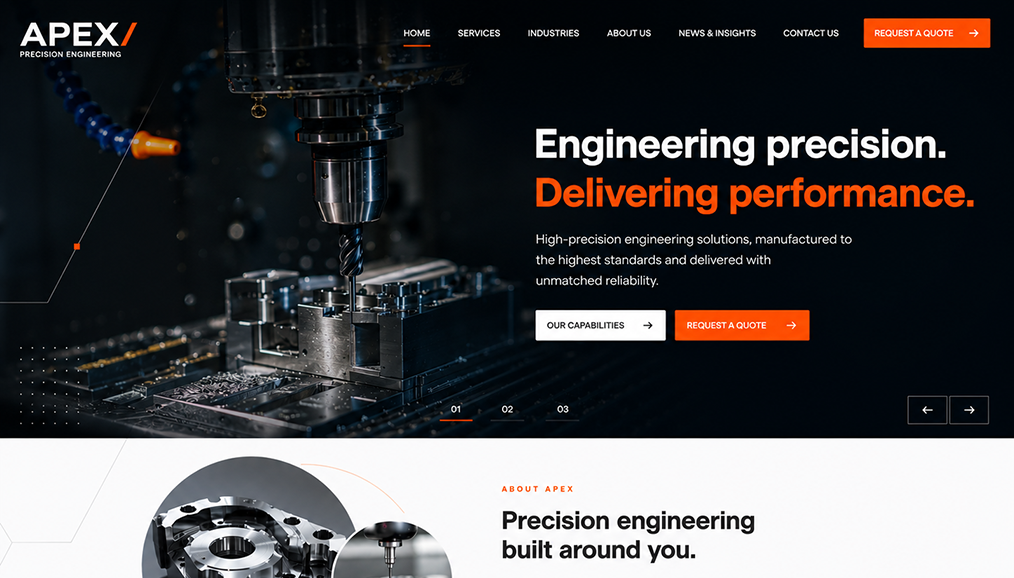


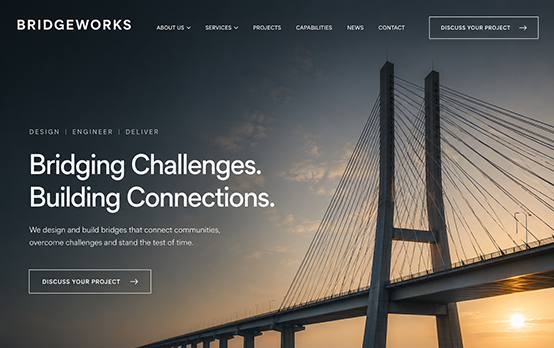
Helping Manufacturers Move From Specifications to Supplier Shortlists.
Industrial buyers usually arrive with a practical reason. They want to check capabilities, compare manufacturers, review product ranges, find specifications, download technical documents or decide whether a company is credible enough to contact.
A strong industrial website makes that process easier. Instead of treating complex information like brochure copy, it gives buyers a direct route through products, services, certifications, case studies, downloads and enquiry options.
Webpop Design plans each professional website as a connected product, capability and publishing system. The result is a more useful website that helps industrial and manufacturing companies present complex information clearly and keep it accurate as the business changes.
Start a New Project
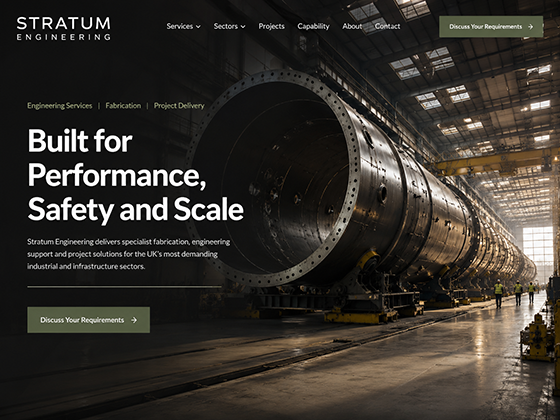
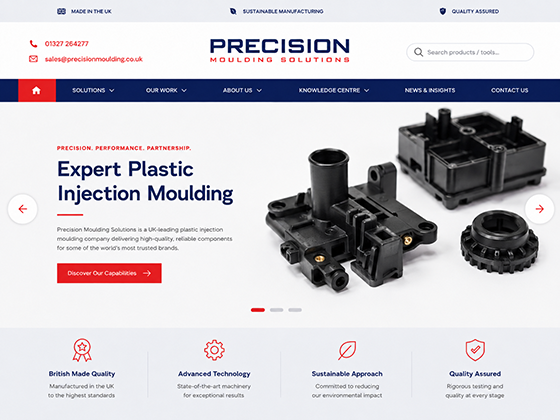
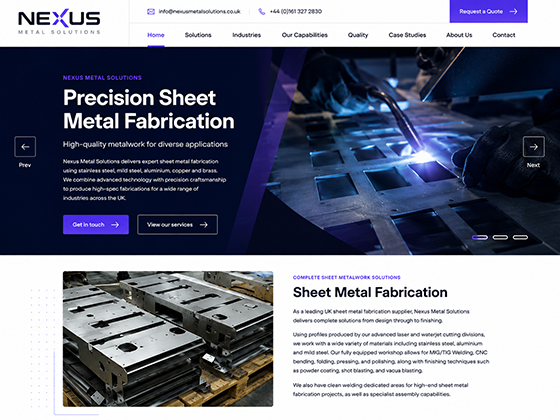
Keeping Manufacturing Content Organised & Easy to Update.
A manufacturing website has to support different people at different stages. Procurement may compare suppliers, production teams may check capacity, and specification-led contacts may need product ranges, materials, tolerances, drawings, datasheets or downloadable documents before they are ready to contact sales directly.
The harder problem starts after launch. A datasheet gets revised but the old version stays downloadable, so a buyer specifies against a tolerance you no longer hold. A product line is discontinued but its page keeps ranking and pulling enquiries for something you cannot supply. A certification lapses while its expiry date still sits live on the site, undermining the exact trust it was meant to build. These are the failures that quietly cost manufacturers credible enquiries.
Webpop Design plans industrial websites so those updates are controlled rather than risky. We build publishing systems where revisions, document versions, certifications and discontinued lines can be managed by internal teams without breaking layout or leaving stale technical detail live. As an experienced WordPress design agency, we treat accuracy after launch as part of the build, not an afterthought.
Our Industrial Website Design Process.
A structured build process for industrial and manufacturing websites, from content planning through to launch, testing and handover.

Industrial Discovery & Review
We begin by understanding your products, services, manufacturing capability and enquiry paths. This includes reviewing existing content, technical downloads, certifications, case studies, competitors and search visibility, so the website can be planned around how customers actually compare industrial suppliers.

Product Range Structure & Direction
We define the page structure, content priorities and commercial direction before design begins. Product ranges, service pages, sector content, RFQ forms, downloads and proof areas are mapped clearly, helping the finished website guide buyers while staying easy for internal teams to manage over time.

Buyer Journey Wireframes
Wireframes show how visitors move through the website before visual design is applied. We plan journeys for product discovery, specification checks, document downloads, quote requests and contact forms, making sure important industrial information is easy to find on desktop, tablet and mobile devices.

Bespoke Figma Design
The design stage starts in Figma, not from an off-the-shelf template. Layouts are created to reflect your brand, product detail, content depth and buyer behaviour, with responsive sections designed to make complex manufacturing information feel organised, credible and easy to follow.

Custom Build & Publishing Control
The approved design is developed into a fast, responsive website with clean code, flexible layouts and reliable publishing control. WordPress is used carefully as the delivery platform, giving teams safe ways to update products, downloads, certifications, case studies, forms and enquiry pages.

Testing, Launch & Handover
Ahead of going live, we test performance, mobile layouts, forms, tracking, redirects, technical SEO and key content journeys. After handover, your team has a clearer system for managing industrial content, adding updates and keeping important product, service and enquiry information consistent.
Turn Product Ranges & Certifications Into Serious Opportunities.
An industrial website should do more than present a tidy set of brochure pages. It should turn manufacturing capability into a clearer route towards action, with product ranges, machinery, applications, accreditations, downloads and project examples arranged so serious prospects can quickly assess whether your business is suitable.
Industrial buyers stall at predictable points. Procurement will not shortlist a supplier until the compliance and quality documents are easy to find. An engineer rarely enquires before confirming a material grade, tolerance or dimension against a real datasheet. A distributor needs different information from an end user, and a maintenance buyer needs the part reference before anything else. When the website answers those questions in the order buyers ask them, enquiries arrive further down the decision and closer to a real order.
Webpop Design structures industrial websites around how those decisions are actually made. We map where buyers hesitate, then build product, specification, certification and enquiry content to remove the friction at each point, so your sales team spends less time on poor-fit conversations and more on prospects who already know you can supply what they need.
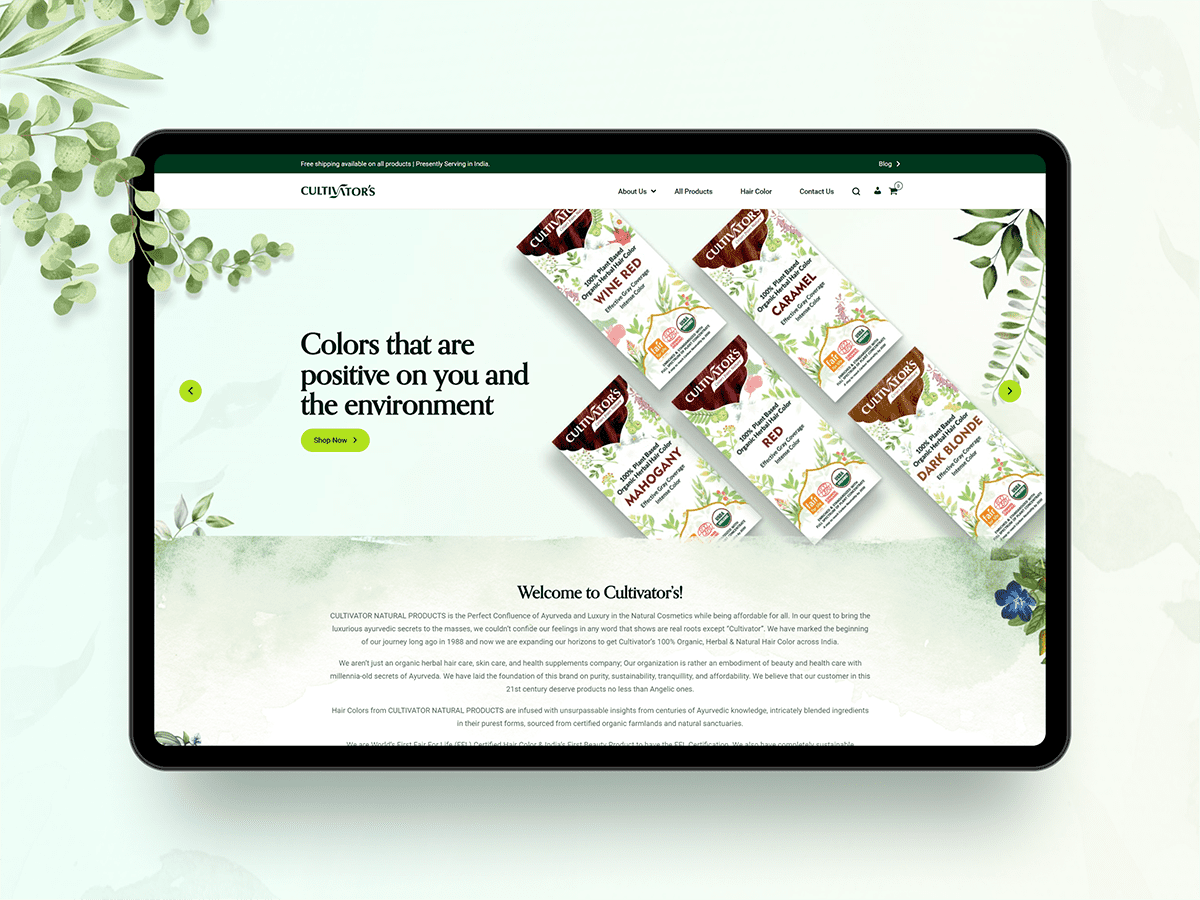
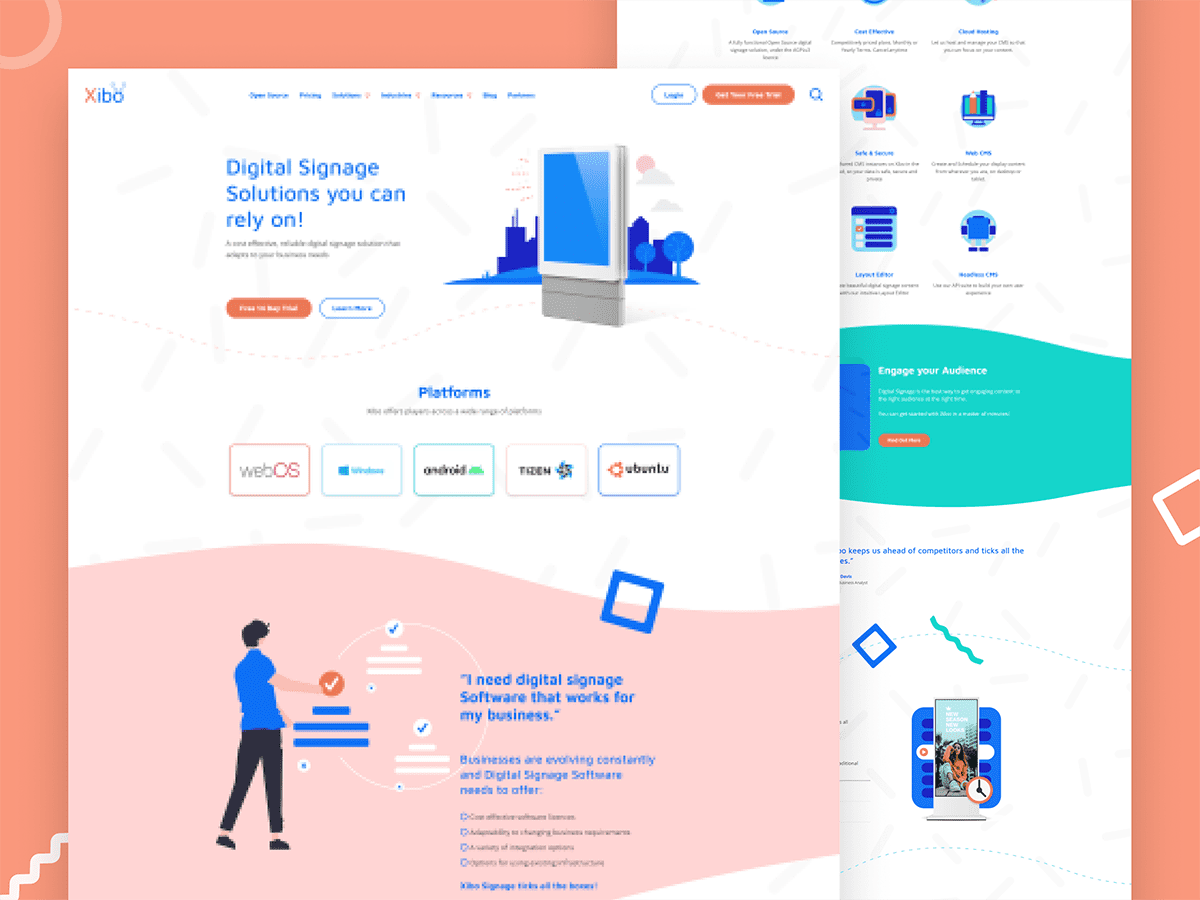
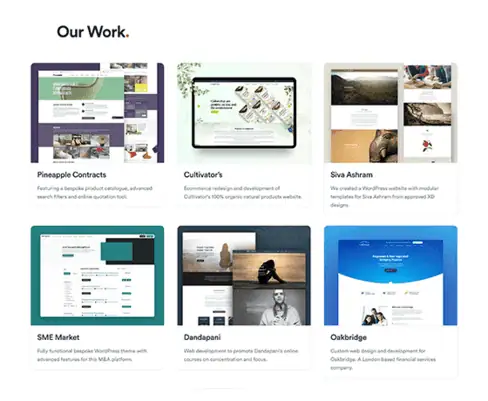
Featured Industrial Website Work.
Relevant work covering product content, distributor functionality and publishing for industrial websites.
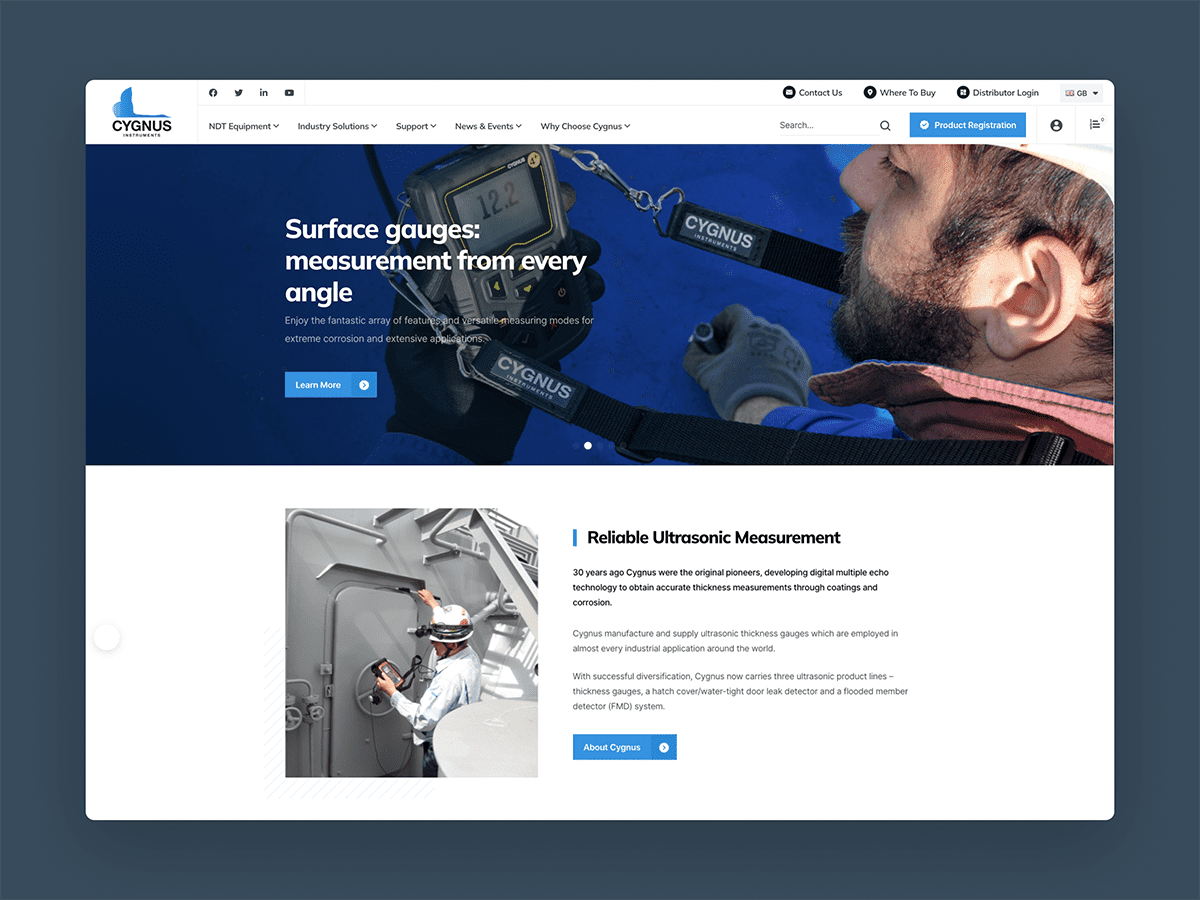

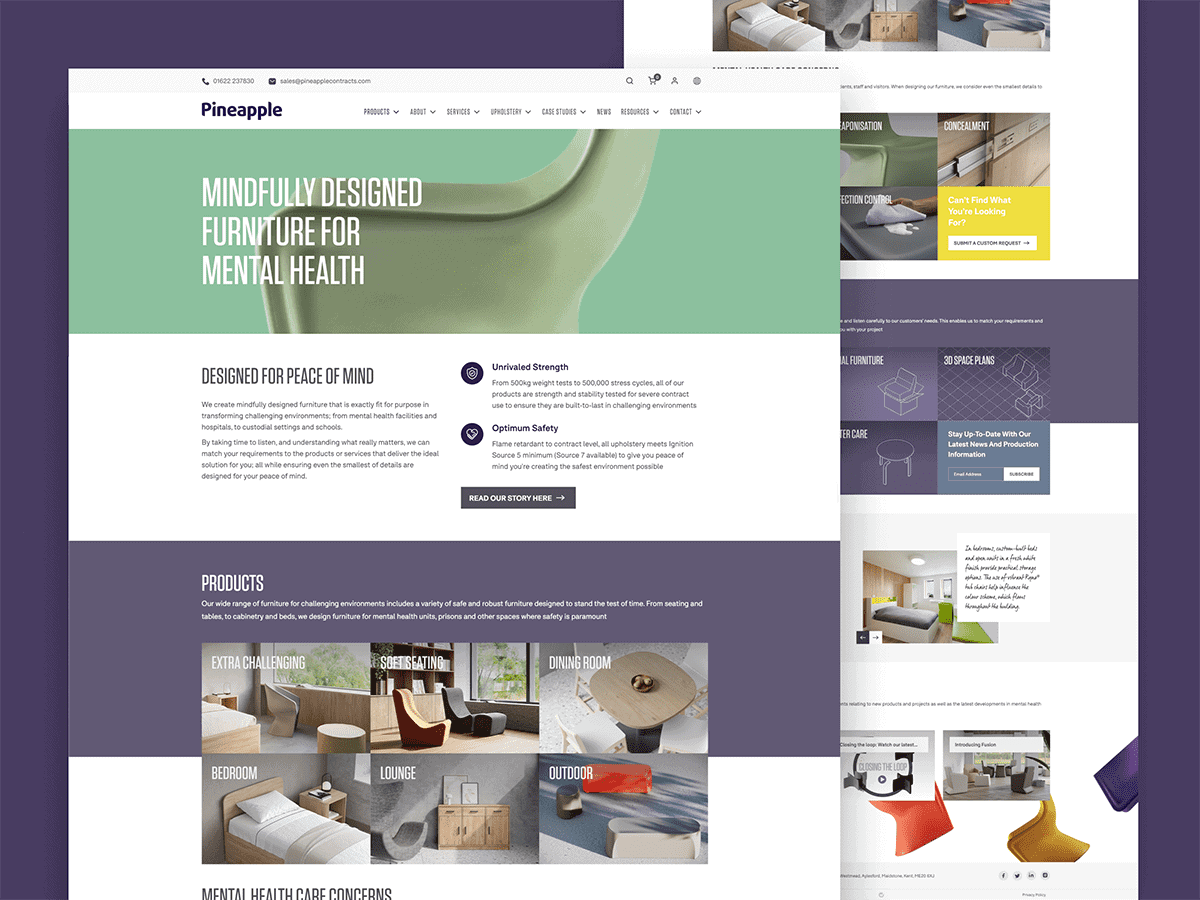
Types of Industrial & Manufacturing Organisations We Help.
Websites for manufacturers, suppliers and industrial businesses with complex products, services or enquiry journeys.

Manufacturers
Product-led websites for manufacturers that need clearer ranges, specifications, downloads, certifications and quote forms.

Machinery Companies
Structured websites for machinery businesses that need to present equipment, applications, documents and sales enquiries clearly.

Industrial Equipment Suppliers
Websites for suppliers that need product categories, technical information, stock considerations and enquiry paths.

Component Manufacturers
Content-led websites for component manufacturers with products, materials, tolerances and specification-led enquiries.

Fabrication Companies
Websites for fabrication, production and workshop-led businesses that need capability, machinery and case studies presented clearly.

Tooling & Materials Suppliers
Websites for tooling, materials and industrial suppliers that need product groups, technical detail, documents and enquiry forms.

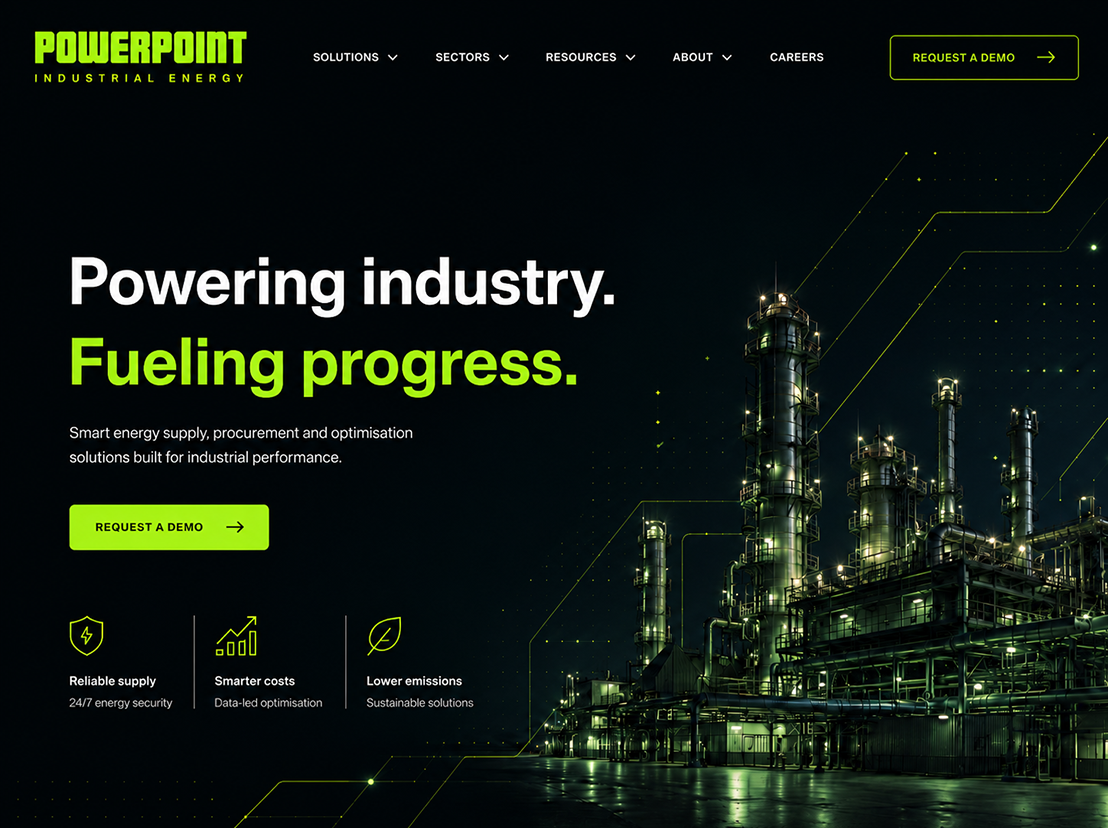
Why Trust Webpop Design for Industrial Websites.
Industrial and manufacturing websites need careful planning because the content is rarely simple. Product ranges, service pages, specifications, downloads, accreditations and quote forms all need to work together. Webpop Design brings creative design, clear UX thinking and bespoke development to projects where structure, trust and usability matter as much as visual polish.
We design from the ground up rather than forcing complex industrial information into a generic template. That means scalable page structures, SEO-aware planning, responsive layouts, clean performance and dependable publishing control, so your team can manage products, documents, case studies and updates without weakening the website.
Request a ProposalRecognition Across Web Design & Development.
Recognised by respected web design, development and digital industry platforms.












Client Reviews From Detailed Website Builds.
Read feedback from clients who trusted us with bespoke websites requiring planning, structure and reliable delivery.

Tim Marshall
Allegiant Finance

Emma Griffiths
Synchtank

Emily De Jesus
LS Tractor USA

Alan Harder
Tango Financial

Dan Garner
Xibo
Industrial Website Tools, Software & Integrations.
Industrial websites often need to work around existing sales, product and operational systems. Before scoping, we review CRM, ERP, stock, product data, CAD libraries, forms, analytics and ecommerce requirements properly.
Webpop Design can plan RFQ forms, enquiry routing, product catalogues, datasheet downloads, CRM-ready forms and tracking around tools such as Google Analytics, Google Tag Manager, Microsoft Clarity, HubSpot, Salesforce, Microsoft Dynamics, Mailchimp and Campaign Monitor. We do not promise fixed integrations before discovery, but we can structure the website so key systems, data and reporting requirements are properly accounted for.




















Frequently Asked Questions.
Answers to common questions industrial and manufacturing companies ask before starting a website project.




How much will an industrial website cost?
Most industrial website projects depend on the size of the site, the number of product or service pages, content depth, technical downloads, enquiry forms and any integration requirements. Webpop Design usually scopes each project properly first, so the cost reflects the structure, design, development and launch work required.
How long will an industrial website redesign usually take?
A typical industrial website redesign can take several weeks or months, depending on page count, content complexity, approvals and technical requirements. Product ranges, datasheets, case studies, certifications, redirects and enquiry forms all need careful planning, especially if the existing website has search visibility that needs protecting.
Can you redesign a manufacturing website without damaging SEO?
Yes, SEO migration should be planned before design and development begin. This usually includes reviewing current rankings, URLs, page content, metadata, redirects, internal links and technical structure. The aim is to improve the website while protecting valuable search visibility and avoiding unnecessary ranking disruption after launch.
Can you build product catalogue pages for industrial websites?
Yes, industrial product catalogue pages can be planned around categories, specifications, variants, applications, downloadable documents and enquiry forms. The structure depends on how your products are bought, compared and maintained internally, rather than forcing everything into a generic ecommerce or brochure-style layout.
Can the website include datasheets and technical downloads?
Yes, technical downloads can be built into the website as structured resources, product attachments or dedicated document areas. Datasheets, brochures, manuals, safety documents, CAD files and certification downloads should be easy for buyers to find, while remaining manageable for internal teams after launch.
Can you add RFQ forms and quote request paths?
Yes, RFQ forms can be designed around the type of information your sales team needs. That may include product type, quantities, drawings, deadlines, application details, location, budget range or project notes. The goal is to make enquiries easier for visitors and more useful for your team.
How can an industrial website attract more relevant enquiries?
More relevant enquiries usually come from clearer product pages, stronger service structure, useful downloads, visible certifications, relevant case studies and well-placed contact forms. When buyers understand what you make, who you serve and what information you need from them, the website is more likely to produce serious conversations.
Can you help organise manufacturing content and product ranges?
Yes, content structure is a major part of industrial website planning. Webpop Design can help organise product ranges, service pages, sector pages, applications, downloads, case studies and enquiry paths so visitors can understand the business more easily and internal teams can manage content more confidently.
Can an industrial website connect with our CRM or analytics?
Often, yes, but integrations need to be scoped properly before they are promised. Industrial websites may need CRM-ready forms, analytics tracking, enquiry routing, product data planning, stock feeds or ERP considerations. Webpop Design can plan around existing systems and advise what is practical for the project.
Do you provide support after the industrial website has launched?
Yes, Webpop Design can provide support after launch for fixes, updates, improvements and ongoing website management. This is especially useful for industrial companies that need to update products, documents, certifications, case studies, landing pages and enquiry forms as the business continues to grow.
Need an Industrial Website That Makes Manufacturing Capability Clearer?
Talk to Webpop Design about a clearer industrial website that helps buyers compare products, review specifications and assess manufacturing capability, while giving your team a reliable way to manage key content after launch.
Request an EstimateSector & Industry Experience.
Related sectors and services where similar content structure, product detail and enquiry journeys matter.
-
 Aerospace
 -
 Banks
Banks -
 Car Dealerships
 -
 Charities
 -
 Churches
 -
 Construction
 -
 Corporate
 -
 Dating Agencies
 -
 Dental Practices
 -
 Entertainment
 -
 Estate Agents
 -
 Farm Shops
 -
 Finance
 -
 Florists
 -
 Garden Centres
 -
 Government
 -
 Healthcare Providers
 -
 Higher Education
 -
 Home Care
 -
 Hospitals
 -
 Hostels
 -
 Hotels
 -
 Industrial Companies
 -
 Insurance Firms
 -
 Law Firms
 -
 Libraries
 -
 Locksmiths
 -
 Membership Websites
 -
 Model Agencies
 -
 Theatres
 -
 Pubs & Bars
 -
 Recruitment Agencies
 -
 Removal Companies
 -
 Restaurants
 -
 Retailers
 -
 Schools
 -
 Self Storage Companies
 -
 Small Businesses
 -
 Tattoo Studios
 -
 Travel Agents