
Travel Web Design
Bespoke websites for travel agencies and tour operators, built around the details travellers need before they enquire or book. We help structure trips, itineraries, protection information and enquiry paths clearly, so visitors understand what they are booking, trust your expertise and contact your team with better questions from the start.
View Our Work Get a Quote

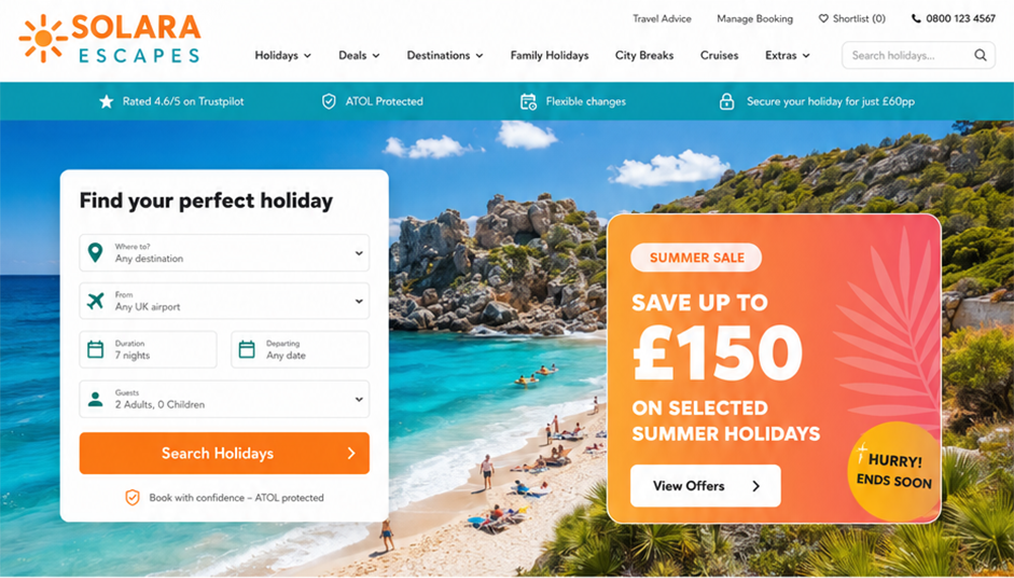


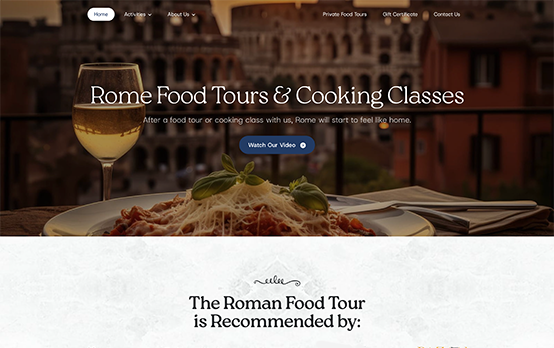
Travel Website Design Built Around How People Book.
Travel customers rarely enquire from one attractive destination image. They need to compare journey options, dates, inclusions, exclusions, reviews, protection details and booking steps before they act. An effective travel website makes this easy to scan, with guided enquiry forms, clear financial-protection details and booking integration where needed.
Many travel agency sites lose enquiries when information is vague, scattered or hidden too late in the journey. As a web design agency, we shape each project around how your business sells trips, helping visitors see the value of your planning, support and expertise instead of judging everything on price.
Clear itineraries, payment expectations, terms, destination content, enquiry channels and financial protection details reduce pressure on your team. They answer useful questions before they become emails or calls, while giving travellers more confidence before they book.
Begin Your Project
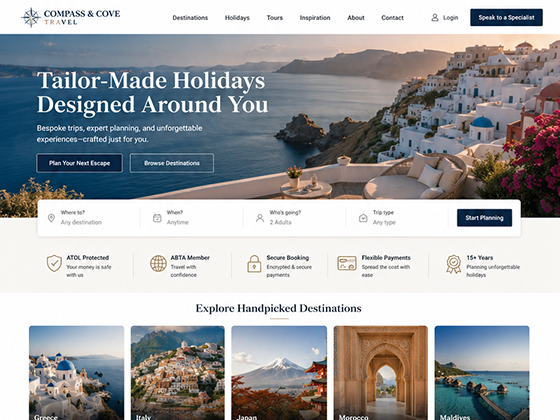
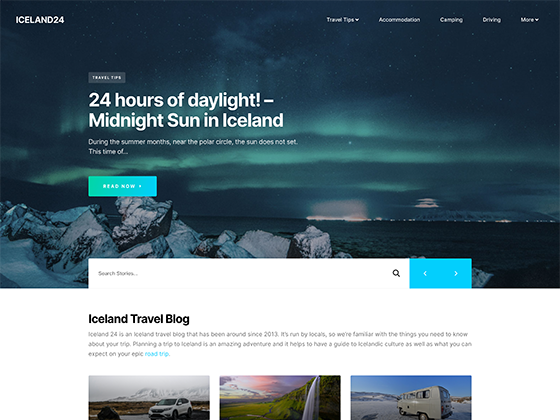
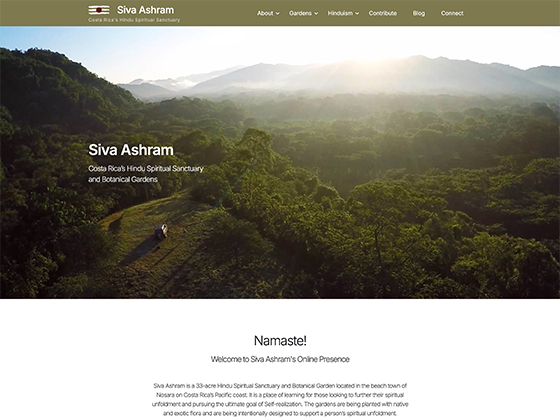
What Travel Websites Need to Show Before Booking.
Before someone enquires about a trip, they are usually trying to confirm whether the experience matches what they have in mind. They want to understand the route, pace, room details, transfers, dates, pricing signals and what is included, without having to search across several pages or contact the team for basic details.
For higher-value or tailor-made travel, visitors need reassurance that the provider can handle the details properly. Clear itineraries, destination notes, reviews, support information and protection details help them judge whether the trip is worth the investment before they start a conversation.
Group tours and fixed departures add a different pressure: travellers are comparing your departure against others on date, price, pace and difficulty, often in the same browser session. Losing that comparison is losing the booking. The same principle applies to hotels and hostel sites, where rooms, location, reviews and booking details all get weighed in one sitting.
Our Travel Website Design Process.
A structured approach for travel websites that need clearer structure, smoother booking paths and a more reliable platform.

Discovery & Strategy
We begin by understanding how your travel business sells, from fixed departures and tailor-made trips to group tours, destinations and booking pages. This gives the project a clear commercial direction, so the website supports real traveller decisions rather than simply refreshing the existing design without solving deeper issues.

Structure & Page Planning
Page planning covers the information travellers need before they enquire, including destinations, itineraries, inclusions, reviews, protection details and support information. We surface the content travellers ask for most, so your team fields fewer repeat questions and spends less time chasing missing context from potential customers.

Bespoke Website Design
Design work focuses on the trust points that matter in travel: clear navigation, powerful imagery, readable trip details, simple enquiry forms and confidence before someone pays a deposit. Each key page is shaped to help visitors compare options properly without making the journey feel cluttered or difficult to understand on mobile.

Website Build
Once the design is agreed, we shape the site with a structure your team can manage. Trip pages, destination content, FAQs, galleries, seasonal updates and new campaign landing pages can be organised consistently, so the website stays accurate and useful as your travel offer changes over future booking seasons.

User Experience & Performance
Travel websites often rely on large images, maps, galleries and detailed content, so performance matters from the start. We keep the browsing journey clear and efficient across devices, helping visitors move from destination research to enquiry without slow pages or unclear steps interrupting the journey.

SEO, Launch & Handover
Before going live, we check the foundations that support long-term visibility, including page structure, redirects, metadata and core content. The finished site is built to grow with new destinations, itineraries, campaigns and future travel services without needing constant redesigns or awkward content workarounds.
Website Design for ATOL & ABTA Registered Travel Agents.
A travel website should not leave your team explaining financial protection and booking basics on every call. UK travellers increasingly check for ATOL and ABTA before they enquire, especially on higher-value trips, package holidays and flight-inclusive bookings. If those signals are missing, hidden in a footer or shown without context, visitors hesitate even when the trip is right.
ATOL protection applies to flight-inclusive packages and is a legal requirement for the operators it covers; ABTA membership signals broader trade standards, financial protection on non-flight bookings and a recognised complaints route. Travellers do not always know the distinction, but they do recognise the badges. Your site should explain which protections apply to which trips, place the logos where decisions are actually made, and link to the schemes correctly so the trust is verifiable rather than implied.
An effective website does more of that pre-sale work before your team gets involved. With the right WordPress design agency, ATOL and ABTA badges, trip-level protection notes, destination content and enquiry paths can be structured around how people actually decide. That means fewer “are you ATOL protected?” emails, better-informed prospects and a clearer path from early interest to serious booking intent.
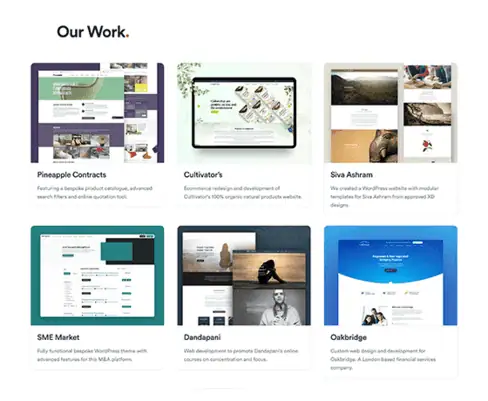
Featured Client Projects.
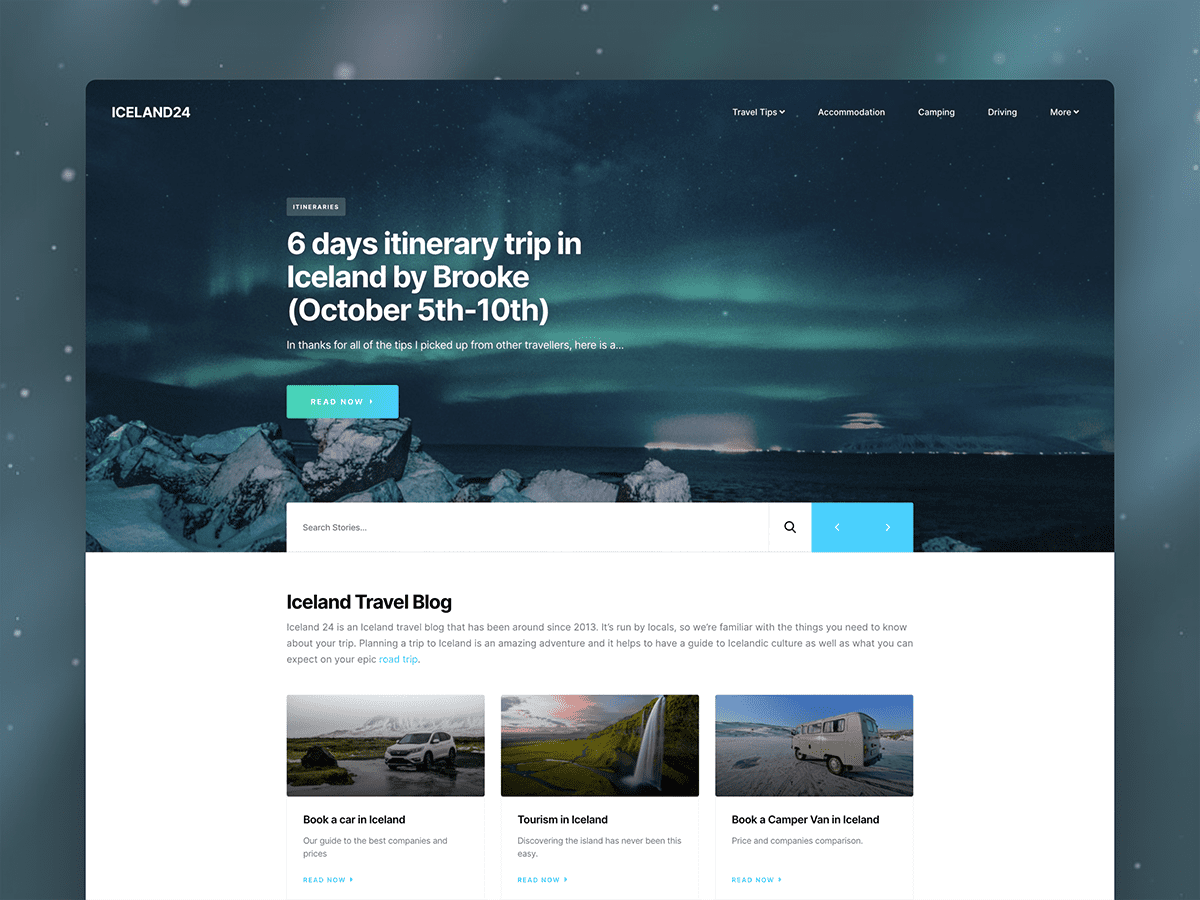
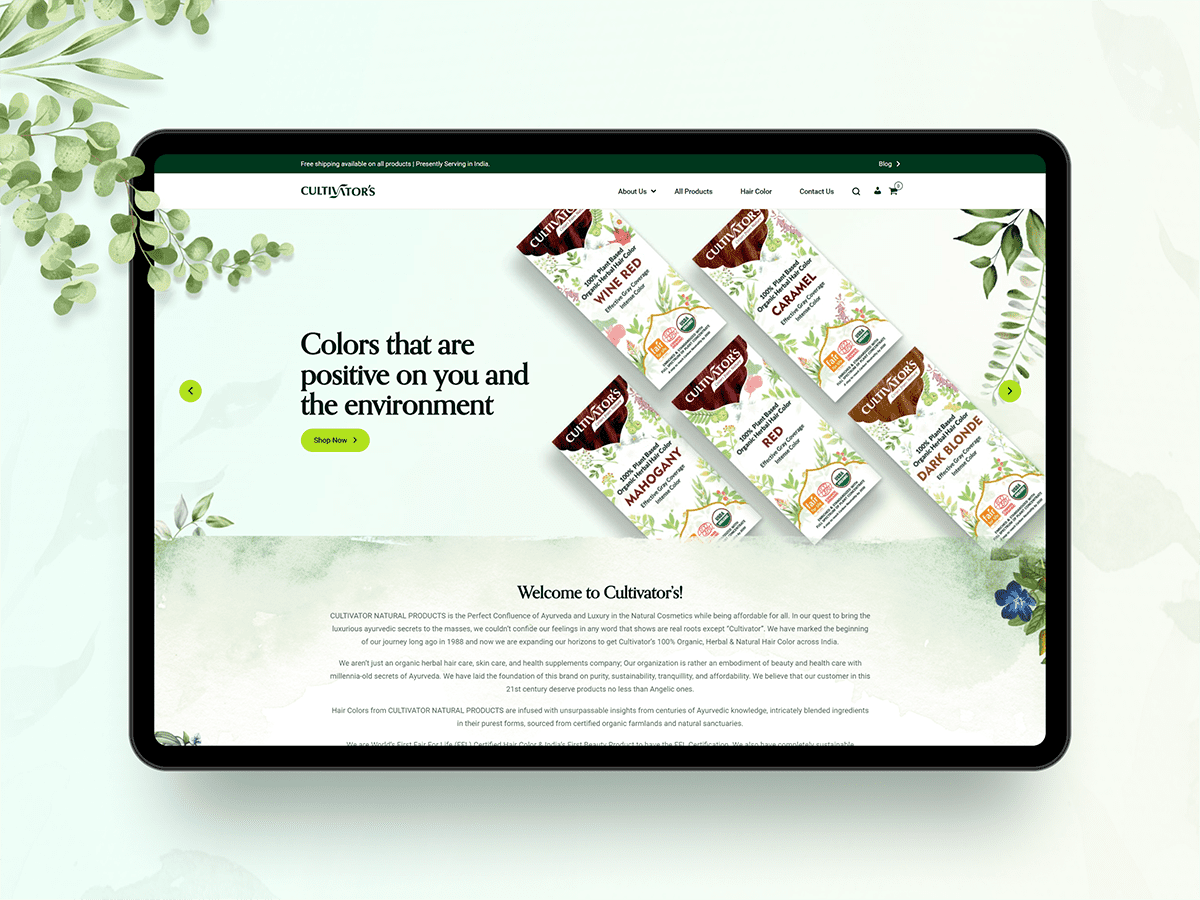
Travel-related projects shaped around usability, credibility and better booking journeys.

Travel Sectors We Support.
Websites for travel businesses with different booking models, content needs and customer decision points.

Luxury Travel
Well-planned, image-led websites for luxury travel brands, where standards and reassurance carry higher-value decisions.

Adventure Travel
Adventure travel websites that outline trails, difficulty levels, kit and safety, so travellers feel prepared before booking.

Tailor-Made Trips
Enquiry-led websites for tailor-made operators, structured around journeys, pacing and budgets before visitors enquire.

Group Tours
Group tour websites that present dates, deadlines and costs clearly, making it easier for organisers to compare and commit.

Corporate Travel
Corporate travel websites that surface duty-of-care, approval and support detail, so buyers understand before they call.

Tour Operators
Tour operator websites that keep departures, itineraries and extras consistent as trips change each season.

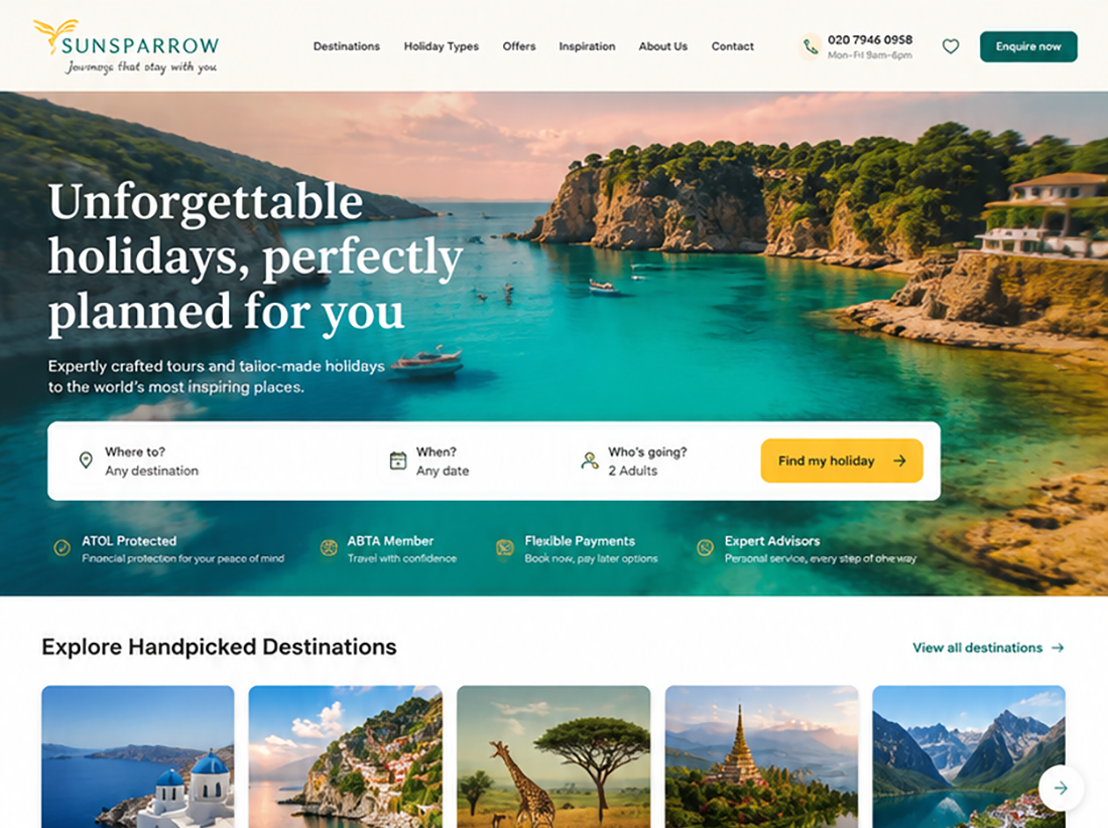
London Travel Web Design That Helps Travellers Decide.
A travel site has to do more than look inspiring. It needs to support serious decisions and enquiries. From our London studio, we work with travel agencies, tour operators and destination-led businesses to organise destinations, itineraries, protection details, reviews and enquiry pathways so visitors gain confidence before they speak to your team. We shape that structure around how travellers compare options, judge trust and decide whether a trip is worth pursuing.
Our approach combines bespoke design, commercial UX, content planning and custom development where it supports the project. The result is a site that is easier to manage and built around how your business captures interest and turns serious travellers into customers. If your current site is holding back bookings, clarity or conversion, our London-based team will help you plan it properly.
Request a ProposalWeb Design Recognition & Credentials.
Listed across trusted website design, web development and digital industry platforms.












Trusted by Clients Who Expect the Details to Be Right.
Real feedback from clients who came to us for sharper thinking and websites planned properly from the start.

Tim Marshall
Allegiant Finance

Emma Griffiths
Synchtank

Emily De Jesus
LS Tractor USA

Alan Harder
Tango Financial

Dan Garner
Xibo
Travel Software, Booking Tools & Integrations.
Travel sites need to connect booking systems, CRMs, payment gateways and maps. We plan these integrations around the customer journey, so each tool supports smoother bookings, cleaner handovers and less admin.
This might mean embedding a booking calendar, sending tailor-made trip enquiries into HubSpot, taking deposits through WooCommerce or using maps and reviews to strengthen content. The important part is making those systems feel joined up, so travellers get a smoother experience while your team can manage bookings, updates and customer details without extra manual work.



















Frequently Asked Questions.
Answers to the most common questions from travel agencies, tour operators and destination-led businesses planning a new website.



What makes travel and tourism website design different?
Travel customers need more reassurance before they enquire or book, comparing destinations, dates, journey options, inclusions, reviews, pricing signals and protection details before deciding. We build sites that bring those details together clearly, so visitors make progress without your team explaining the basics.
What does travel web design and development cost?
Travel web design projects with us typically start from £8,000 for a structured brochure-led site, with booking-integrated builds, CRM connections or custom trip structures sitting higher. Once we understand how your travel business sells, we provide a fixed-fee proposal based on estimated hours, so you know the full cost before the project starts.
How long can it take to build a travel website?
Timelines depend on the content volume, design depth, integrations and how many destinations, itineraries or booking journeys need to be planned. A simpler travel website can move faster, while a larger destination-led site or custom booking flow needs more time. We’ll agree a clear project schedule before work begins.
Can you design sites for travel agencies and tour operators?
Yes. We can design websites for travel agencies, tour operators, destination-led businesses, retreat providers, group travel companies and other travel brands. The structure depends on how you sell: fixed departures, tailor-made itineraries, enquiry-led trips, booking-led journeys or a mix of different travel options.
Can you structure destinations, trips and itineraries for SEO?
Yes. We organise the site around how people search and compare trips, using destination hubs, trip-type pages, itinerary pages, seasonal content and clear internal links between related journeys. We avoid thin, repeated pages and give each important page a clear search purpose.
Can you integrate our booking system, CRM or travel software?
Yes. We can work with booking tools, enquiry forms, CRMs, payment systems, maps, review platforms and third-party travel software where access and platform support allow it. Sometimes the best option is an embedded booking journey. Other times, a CRM-connected enquiry route or custom API integration is more suitable.
Do you build booking-first and enquiry-first travel websites?
Yes. Some travel businesses need a direct booking route for set dates, live availability or simple experiences. Others need an enquiry-first journey for tailor-made trips, luxury travel, group tours or corporate travel. We help choose the right structure so users can self-serve when appropriate and speak to your team when the trip needs more planning.
Will our team be able to update trips and destinations themselves?
Yes. We can create structured content areas for itineraries, departures, inclusions, FAQs, galleries, pricing notes and destination content. This helps your team keep pages consistent without rebuilding layouts each time a new trip, season or offer is added.
How do you present ATOL, ABTA or financial protection clearly?
Protection details should appear where they reduce doubt, not just on a separate terms page. We can place financial protection, deposit information, payment stages and key reassurance around trip pages, enquiry steps and booking content, so travellers understand what applies before they commit.
Can you redesign our website without damaging rankings?
A redesign should protect the pages that already bring in traffic, enquiries or bookings. We review the existing structure, plan redirects where URLs change, preserve important content and metadata, and check the launch carefully for broken links, missing pages or technical issues that could affect visibility. We’ve moved established travel sites off dated platforms like Blogger, Wix and ageing WordPress builds onto a modern setup without losing the rankings they’d already earned.
Let's Plan Your Travel Website Properly
Share your goals, challenges and the trips you sell. We’ll help shape a clearer travel website that presents your offer well, supports confident decisions before the first enquiry, and gives your team a platform that scales with the business.
Start an EnquirySectors We Work With.
Explore the sectors we support with bespoke websites, structured content and commercially focused design.
-
 Aerospace
 -
 Banks
Banks -
 Car Dealerships
 -
 Charities
 -
 Churches
 -
 Construction
 -
 Corporate
 -
 Dating Agencies
 -
 Dental Practices
 -
 Entertainment
 -
 Estate Agents
 -
 Farm Shops
 -
 Finance
 -
 Florists
 -
 Garden Centres
 -
 Government
 -
 Healthcare Providers
 -
 Higher Education
 -
 Home Care
 -
 Hospitals
 -
 Hostels
 -
 Hotels
 -
 Industrial Companies
 -
 Insurance Firms
 -
 Law Firms
 -
 Libraries
 -
 Locksmiths
 -
 Membership Websites
 -
 Model Agencies
 -
 Theatres
 -
 Pubs & Bars
 -
 Recruitment Agencies
 -
 Removal Companies
 -
 Restaurants
 -
 Retailers
 -
 Schools
 -
 Self Storage Companies
 -
 Small Businesses
 -
 Tattoo Studios
 -
 Travel Agents