
Small Business Web Design
Small business web design in London for ambitious companies selling products or services and outgrowing basic templates and packages. We create bespoke websites with the structure, clarity and credibility customers need to understand your offer, compare services, submit enquiries, book calls, buy products and act with confidence.
View Our Work Get a Quote

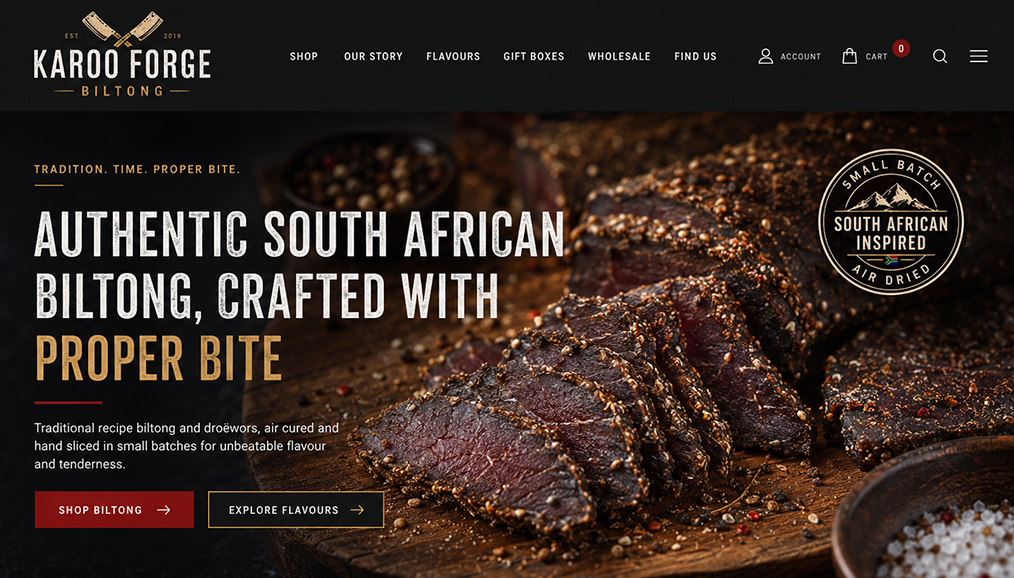


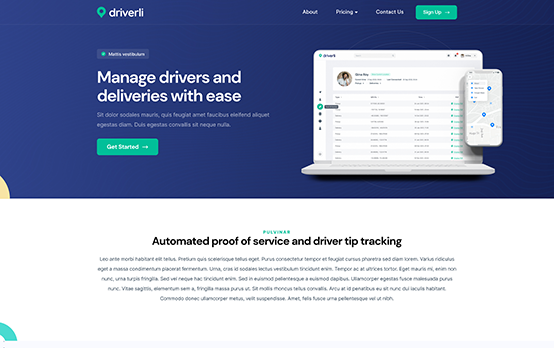
Small Business Websites Designed to Reflect Actual Customer Choices.
At Webpop Design, small business websites are planned around visitors who arrive on a phone, mid-search and short on patience. They want to understand what you sell, weigh your credibility, scan reviews and find the next step fast. Working with our web design agency gives that journey a more purposeful structure.
Most small business websites lose customers the same way: vague messaging, thin pages, slow loading, little proof and contact details nobody can find. When pricing, location details, FAQs and credibility signals are unclear, customers hesitate or choose a competitor.
A much better website gives each visitor a clearer route through the business, whatever you sell. Structured product or service pages, trust-led design, mobile-first layouts, SEO-aware planning, practical analytics and a controlled CMS help small businesses turn more visits into enquiries, bookings, sales and repeat custom while staying organised.
Start a Web Project
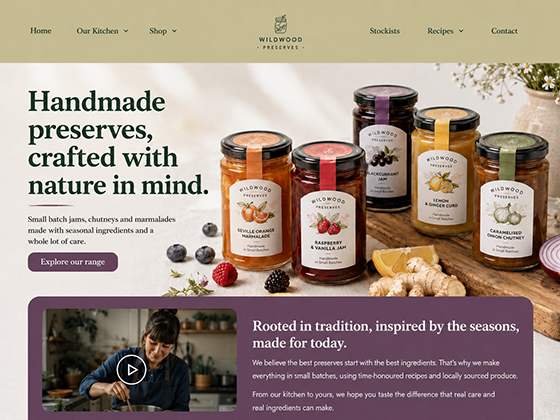
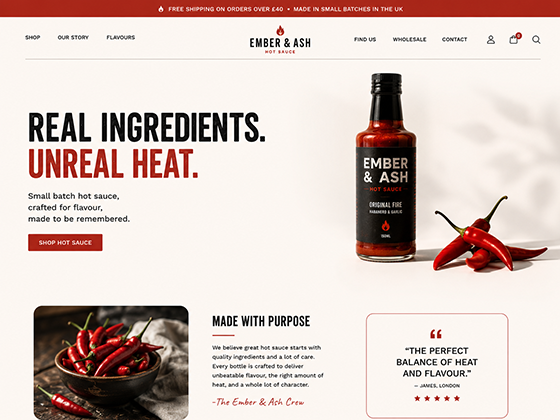
From Startup Site to a Website That Wins Bigger Work.
Most small businesses start with whatever got them trading: a template, a site builder or a quick build put together by a friend. It does the job at first. The point it stops doing the job is nearly always the same. The business has grown past what the site says about it, and better-funded competitors look more credible online than you do, even when your work is stronger. The website becomes the weakest part of the pitch.
We have helped small businesses make the startup-to-established jump across trades and home services, professional firms, independent retailers, owner-managed businesses and growing SMEs, which means the problems you are hitting now are ones we have seen many times: a site that undersells the company, thin pages that lose comparison shoppers, enquiry forms buried where nobody finds them, and a build the owner is afraid to touch.
We design and develop everything in-house rather than outsourcing it, and our bespoke website design is built on WordPress and WooCommerce, so the work is done by the people who planned it and the site you grow into stays yours to run. No off-the-shelf templates, no rebuild forced on you in two years, no dependence on us to change a line of text. The clients who recommend us, several of whom you can read below, tend to say the same things: keeping things straightforward, reliable delivery and work that holds up commercially after launch.
Our Small Business Website Design Process.
A tried and tested process for small businesses that need clearer pages, stronger trust and better conversion points.

Discovery & Research
We begin by understanding your business, customers, services, locations, existing website, competitors and enquiry forms. This includes reviewing how people currently find you, what they need before contacting you, which services matter most and where the current site may be losing confidence, clarity or commercial value.

Direction & Planning
Strategy is planned around how small business customers compare, decide and act. We map service pages, location content, testimonials, FAQs, calls to action and key conversion points, so visitors can understand the offer quickly and move towards an enquiry, booking, purchase or quote request without turning the site into clutter.

UX & Journey Mapping
Wireframes are used to shape the main user journeys before design begins. This helps organise services, reviews, case studies, contact details, mobile layouts, pricing guidance and repeat content sections in a way that feels clear for customers and manageable for the business behind the site as it grows.

Bespoke Design
The approved structure is turned into a bespoke design in Figma, with no off-the-shelf small business template. Layout, typography, credibility signals, imagery, calls to action and mobile views are designed around the company before build, so the website feels considered, specific and more convincing to visitors comparing providers.

Development & Build
The design becomes a responsive, performance-conscious website with clean code, SEO-friendly structure and accessibility-conscious decisions. WordPress is the CMS, with controlled templates for each content type, so new pages inherit the design automatically and the site grows without losing structure.

Launch & Final Handover
Before go-live, the website is tested across key devices, browsers, forms and journeys. Your team can then manage service pages, reviews, calls to action, landing pages, location content and customer information through a structured CMS, with guardrails that keep the design system intact after launch.
Why Growing Small Businesses Need More Than A Basic Website.
A growing small business needs a website that makes the company the obvious, easy choice, whether you sell products, services or both. We plan each site around the moment a customer is deciding: weighing your reviews, judging your work or range, checking what it costs and working out whether to buy, enquire or quietly move on to a rival.
We design that decision into the website from the first wireframe. Products and services get proper pages, proof sits beside the moments that matter, mobile journeys stay simple, enquiry forms and checkout paths stay visible, and the CMS lets your team update pages, testimonials, FAQs and landing pages while the design holds.
The result is a bespoke small business website that feels more established, more capable and more commercially focused than a basic package site. For companies moving into higher-value work, this can also sit close to more established company website projects, where stronger content structure, credibility signals and decision-maker confidence become essential.
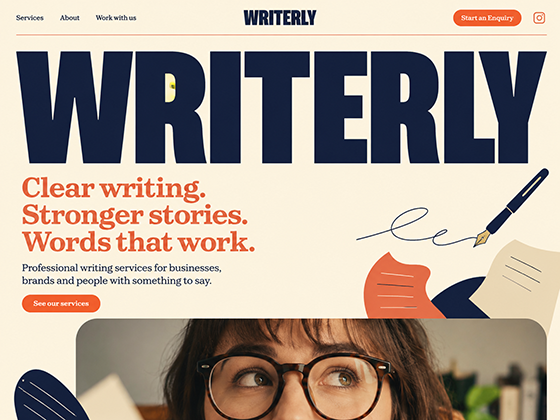
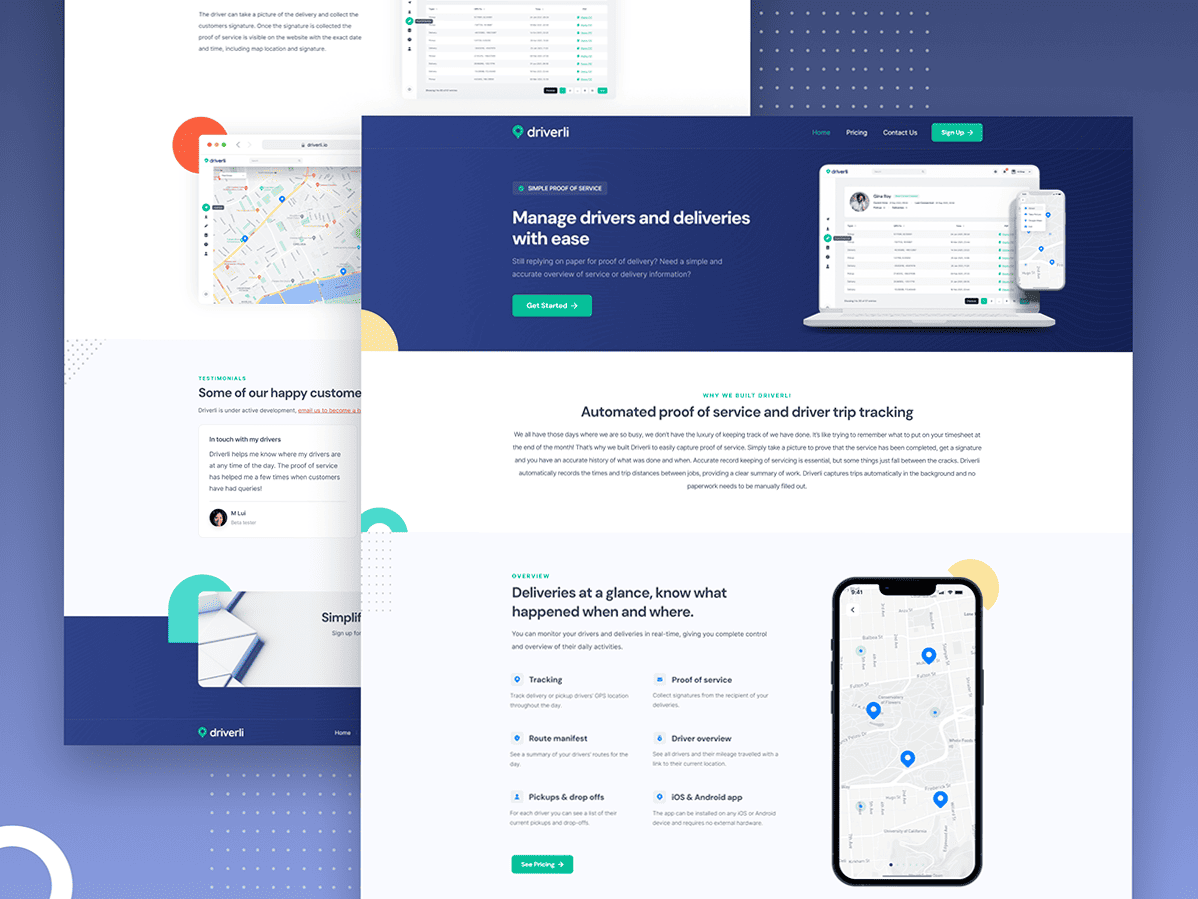
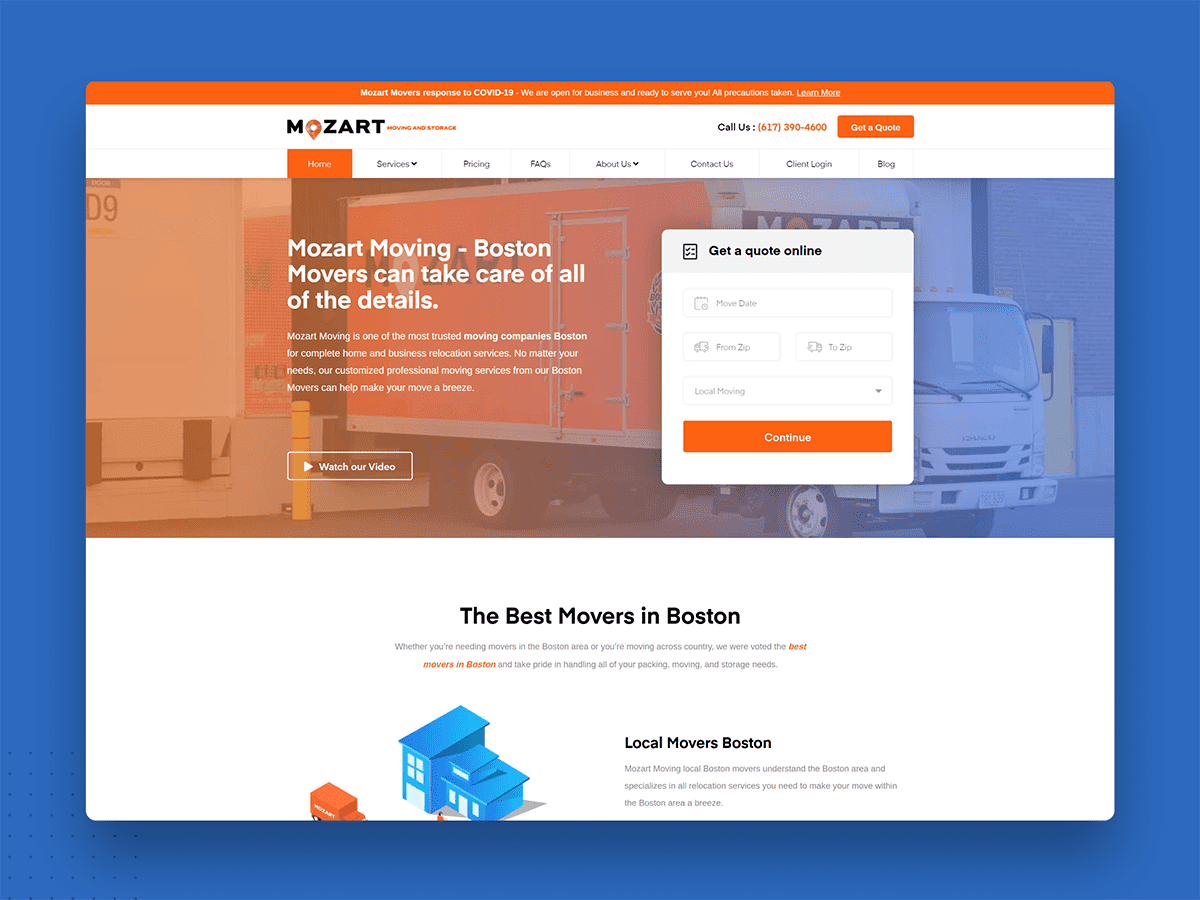
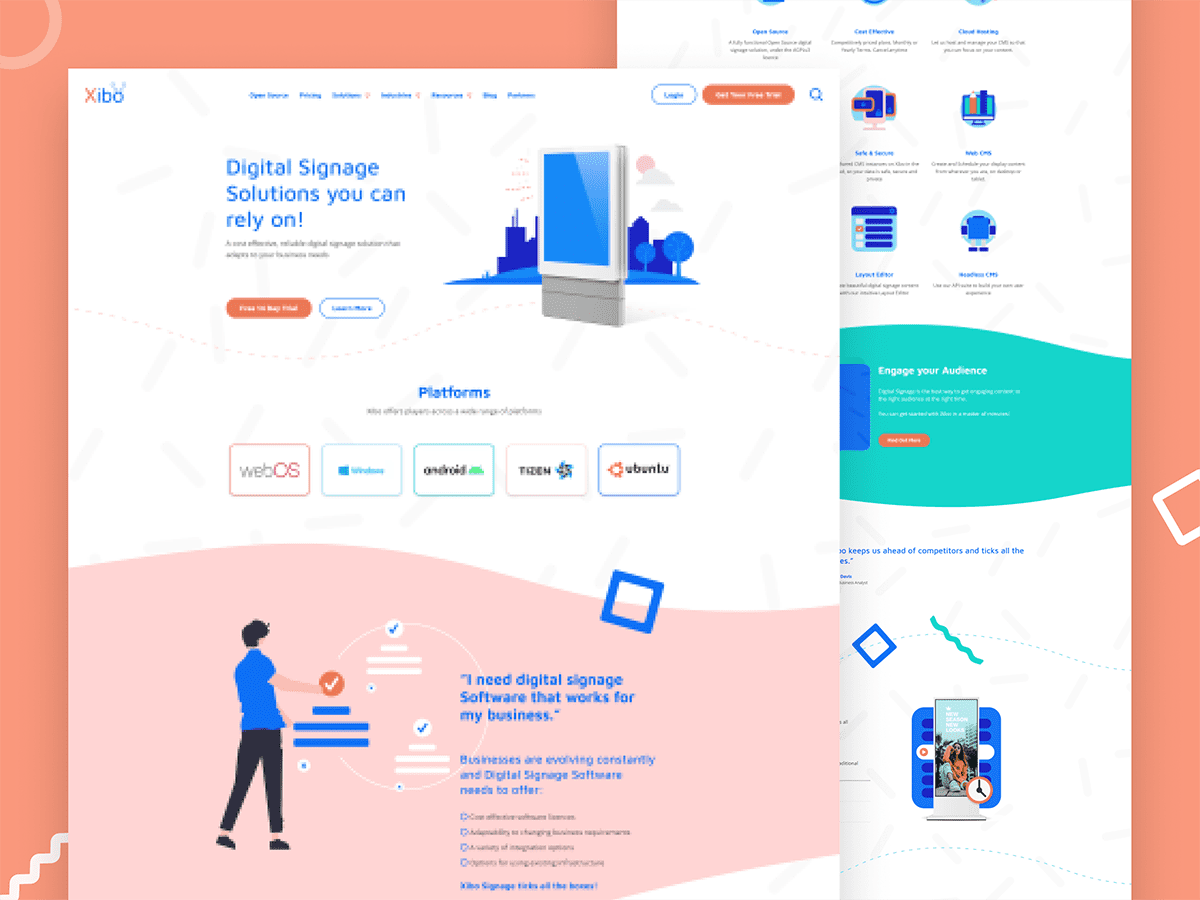
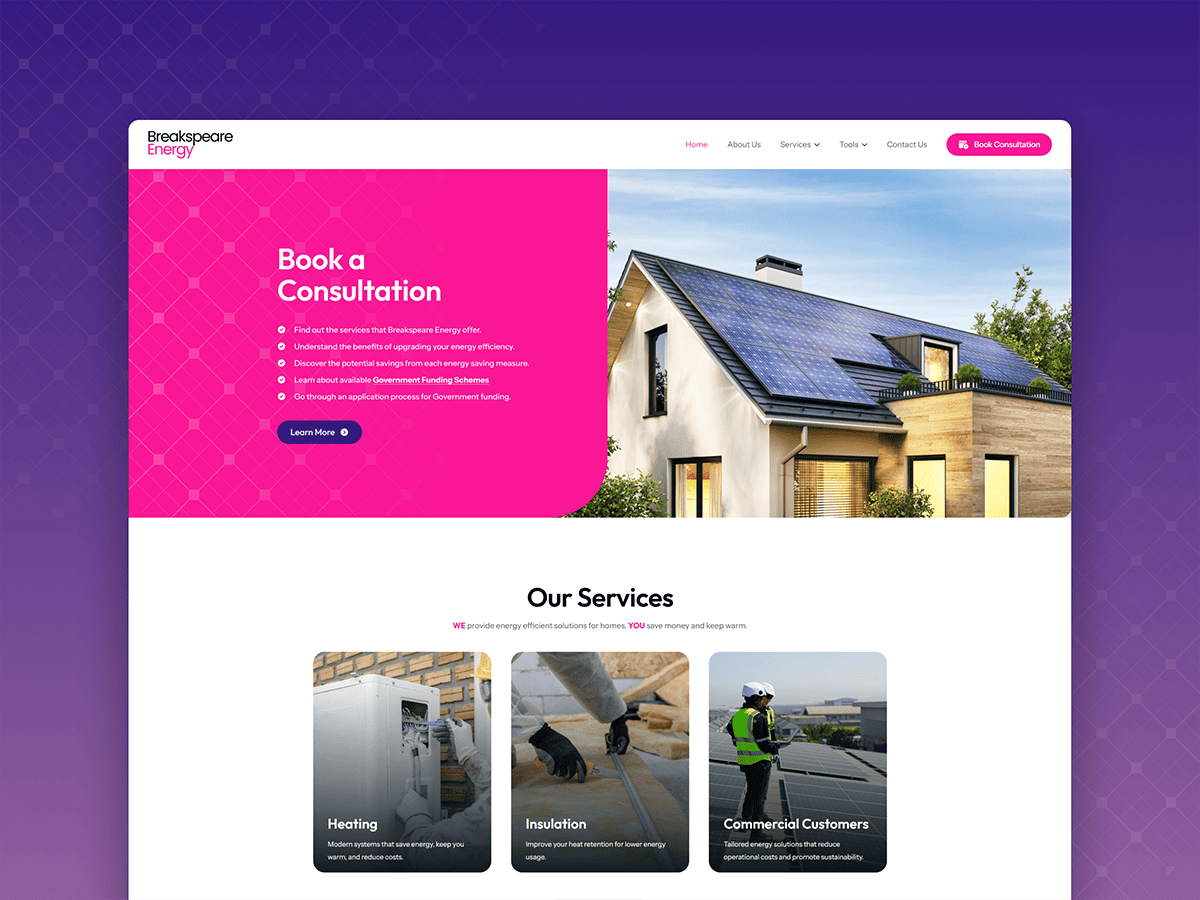
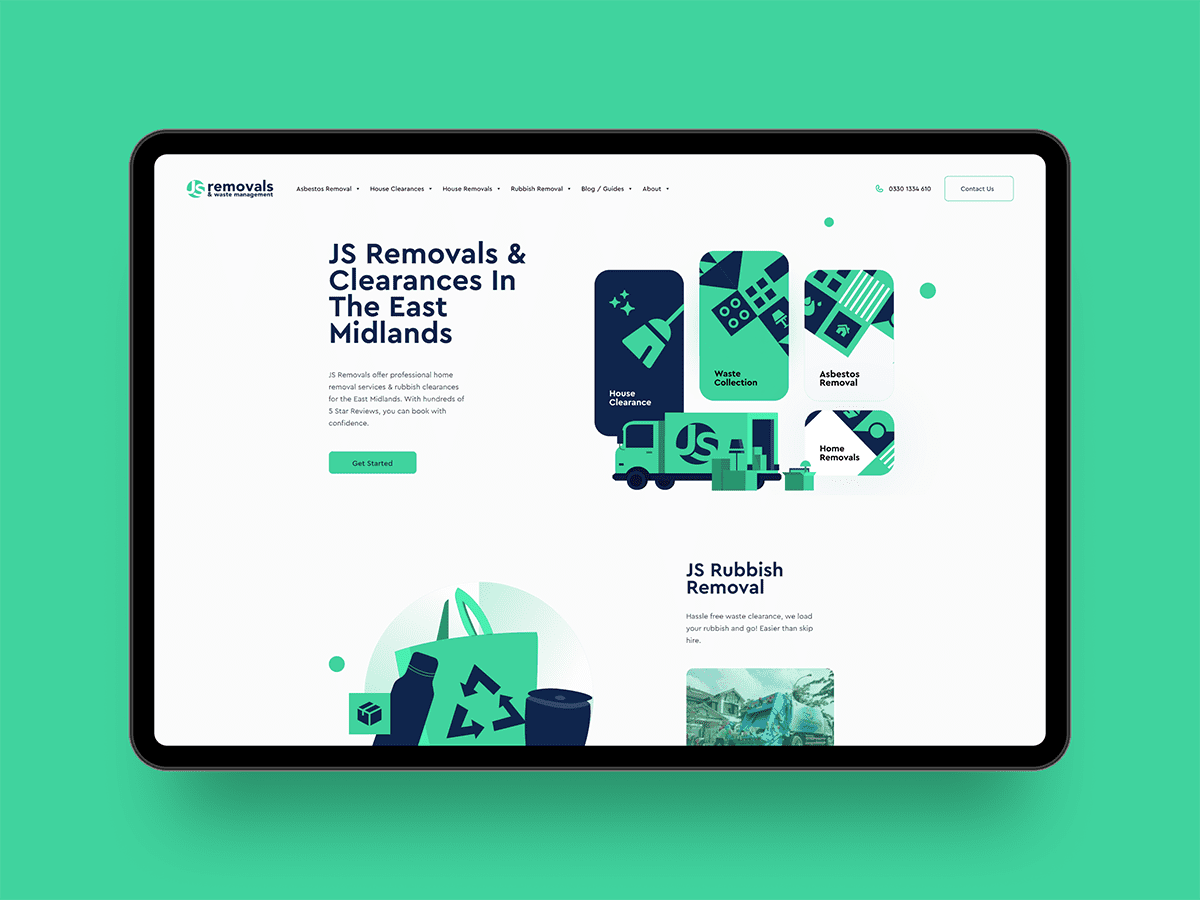
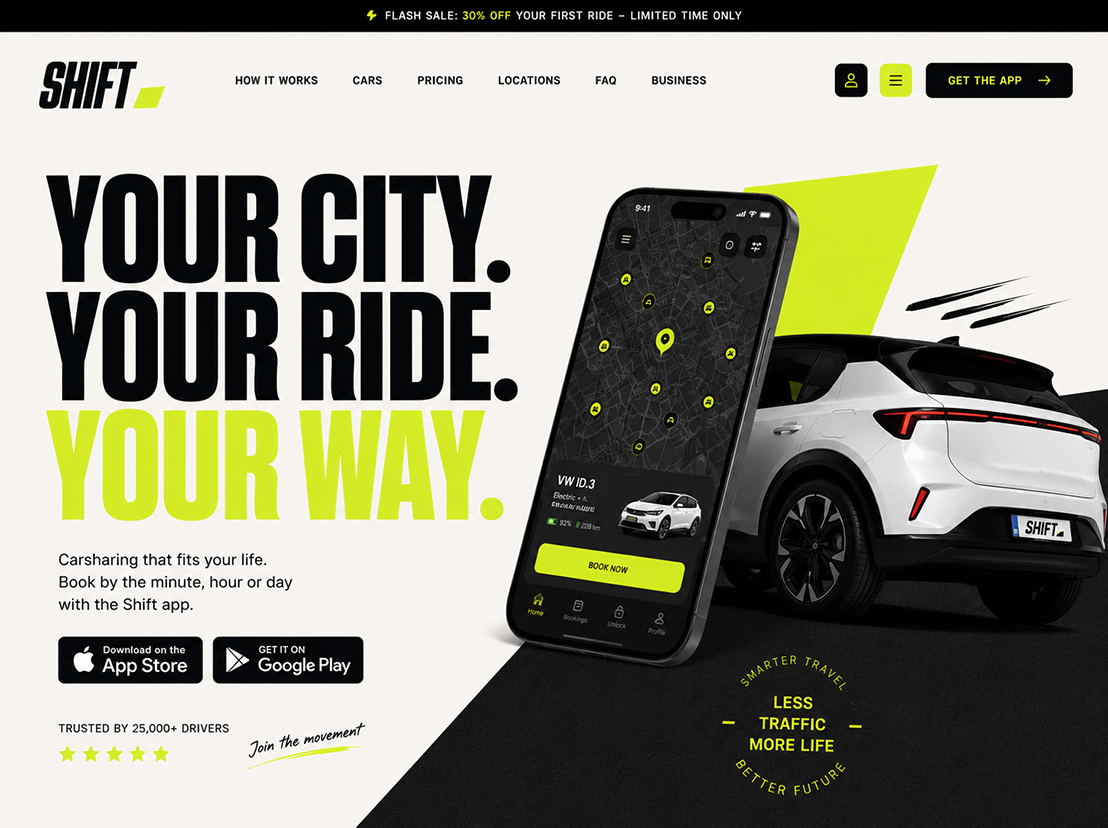
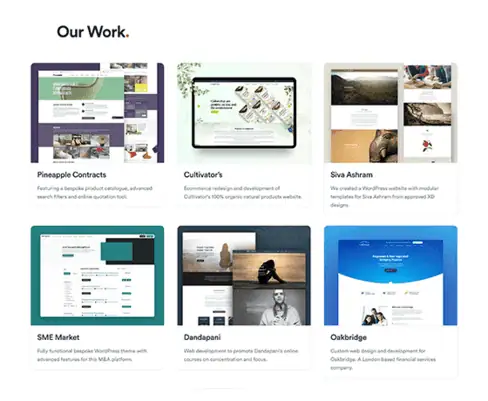
Selected Work for Small Business Website Projects.
A closer look at projects with the polish and clarity growing small businesses need.
Types of Small Business Website Projects We Support.
For growing businesses that need more structure, polish and commercial clarity online.

Owner-Managed Businesses
Established businesses where the website needs to reflect the quality, credibility and experience behind the company.

Growing SMEs
Small teams moving beyond a basic website and needing stronger product or service pages, credibility and clear conversion paths.

Local Service Providers
Businesses that rely on trust, location visibility, reviews and clear calls to action to win more qualified local enquiries.

Independent Retailers
Shops and product-led businesses needing structured browsing, store information, customer reviews and clearer buying journeys.

Professional Firms
Consultants, advisors and specialist service providers needing a more credible website for higher-value enquiries.

Trades & Home Services
Builders, contractors and home improvement companies needing project proof, location content and quote forms.

Why Established Small Businesses Choose a Bespoke Website Partner.
Small businesses deserve the same clarity and polish as larger companies, without a bloated agency process. Webpop Design suits owner-managed companies and growing SMEs that want sharper product and service pages, stronger credibility, cleaner mobile journeys and a website that simply feels easier to choose.
We plan each project around how real customers compare, enquire and buy. That means bespoke design, careful content structure, clean development, fast performance, accessible layouts and a protected publishing setup that lets your team manage products, services, reviews, FAQs and landing pages without making the website feel cobbled together.
Send Us Your BriefProfessional Recognition & Credentials.
Recognised across respected website design, web development and digital service platforms.












Trusted by Businesses Investing in Better Websites.
Rated 5 stars by clients who value careful planning, bespoke design, regular progress updates and dependable delivery.

Tim Marshall
Allegiant Finance

Emma Griffiths
Synchtank

Emily De Jesus
LS Tractor USA

Alan Harder
Tango Financial

Dan Garner
Xibo
Small Business Website Tools, Systems & Integrations.
Small business websites often need to work around existing tools, from enquiry forms and booking links to payments, reviews and analytics. We plan these carefully before making fixed integration recommendations.
CRM-ready forms, enquiry routing, consultation bookings, newsletter sign-ups, checkout paths, review widgets, live chat, location tools, stock feeds and EPOS links can all be considered where relevant. The right approach depends on the platform, API access, documentation, licensing, security needs and how the business already operates. The aim is to connect useful tools cleanly, so the website stays simple to run rather than difficult to manage.


















Frequently Asked Questions.
Answers to useful popular questions small businesses ask before investing in a more serious website with Webpop Design.



How much should a small business website cost?
Bespoke small business website projects often start from £8,000+, depending on the number of pages, design depth, content requirements, integrations and functionality. A more structured site with service pages, location content, enquiry forms and flexible content management will usually cost more than a simple brochure website.
Why does a bespoke website cost more than a package?
A low-cost package usually works from fixed templates, limited page structures and a narrower design process. A bespoke website includes planning, design judgement, content structure, credibility signals and flexible enquiry forms, so the finished site feels more credible, controlled and commercially useful as the company grows.
How long will a small business website take to design and build?
Most bespoke small business websites take around 10–12 weeks, depending on scope, content readiness, integrations, feedback stages and stakeholder approval. Timelines are smoother when services, testimonials, photography, locations, pricing guidance and key decision-makers are organised before the project begins.
Can you redesign an existing small business website?
Yes. A redesign can improve clarity, credibility, mobile usability, service structure and enquiry forms while protecting what already works. We look at current content, existing search visibility, user journeys and conversion points before reshaping the website around how customers now compare and choose.
What should a serious small business website include?
A strong small business website should include clear service pages, trust signals, reviews, case studies, FAQs, contact forms, mobile-friendly layouts, location information and useful calls to action. Depending on the business, it may also need booking paths, ecommerce journeys, team content, pricing guidance and landing pages.
Will we be able to update the website ourselves?
Yes. The website can be built with a structured CMS that lets your team update services, testimonials, FAQs, articles, landing pages, calls to action and location content without breaking the design. The aim is to give you useful control without making the website feel loose or patched together.
Will the website work properly on mobile?
Yes. Mobile usability is planned from the start because many small business visitors arrive through Google, maps, referrals, email links or social media. The site should make it easy to scan services, check credibility, view locations, call, enquire, book or request a quote in a tap or two.
Can you help with local visibility and service pages?
Yes. Service pages and location content can be planned so customers understand what you offer, where you work and why your business is relevant to them. This supports clearer user journeys and stronger local search foundations, without turning the page into a thin keyword-led SEO exercise.
Can the website include reviews, case studies and enquiry forms?
Yes. Reviews, testimonials, case studies, project examples and enquiry forms can be placed where they support customer decisions. For small businesses, reassurance should not sit hidden on one page; it should appear near services, quote forms, booking paths and other points where visitors need confidence.
Can the site connect to CRM, bookings, ecommerce or analytics?
Usually, yes, but integrations need to be scoped around the tools you already use. CRM-ready forms, booking links, payment tools, ecommerce functionality, analytics, email marketing and review platforms can be planned in, depending on API access, documentation, plugin quality, licensing and security requirements.
Create a Small Business Website That Makes Customers Choose You
Create a website that earns trust quickly, makes your offer clear and gives customers an obvious reason to buy, enquire or book. Start a conversation with Webpop Design about a more structured small business website.
Begin Your EnquiryIndustries & Expertise.
Explore related website design pages for sectors with similar content, trust and enquiry needs.
-
 Aerospace
 -
 Banks
Banks -
 Car Dealerships
 -
 Charities
 -
 Churches
 -
 Construction
 -
 Corporate
 -
 Dating Agencies
 -
 Dental Practices
 -
 Entertainment
 -
 Estate Agents
 -
 Farm Shops
 -
 Finance
 -
 Florists
 -
 Garden Centres
 -
 Government
 -
 Healthcare Providers
 -
 Higher Education
 -
 Home Care
 -
 Hospitals
 -
 Hostels
 -
 Hotels
 -
 Industrial Companies
 -
 Insurance Firms
 -
 Law Firms
 -
 Libraries
 -
 Locksmiths
 -
 Membership Websites
 -
 Model Agencies
 -
 Theatres
 -
 Pubs & Bars
 -
 Recruitment Agencies
 -
 Removal Companies
 -
 Restaurants
 -
 Retailers
 -
 Schools
 -
 Self Storage Companies
 -
 Small Businesses
 -
 Tattoo Studios
 -
 Travel Agents