Travel Website Design Built for Booking Confidence
Most travellers decide within minutes whether a provider feels safe enough to book with. If key details appear vague or hidden, they will often leave the site or call to double-check every detail. Our bespoke web design puts the essentials first for every trip, highlighting exactly who it suits, inclusions, exclusions and the specific booking steps needed to move forward with confidence.
Travel agency website redesigns often fail when they copy big brands and overlook the true value specialists provide, such as expert judgement, planning and ongoing support. We use a structured process shaped around how you actually operate, helping visitors understand the high-level value of your expertise rather than simply comparing basic price points.
Your WordPress travel site should empower your team to update departures, prices and trip notes with ease, even during the height of the peak season. We use Advanced Custom Fields and relational databases to link destinations directly to tours, meaning a single update to a hotel partner or flight route instantly syncs across every connected itinerary page on your site.
Examples of Travel Website Work
Here are two travel projects that demonstrate clearer itineraries, fewer booking questions and stronger enquiries from serious travellers.
Roman Food Tour – An experience-led travel website that makes tours easy to compare and trust. We integrated FareHarbor and reshaped each tour page around real booking checks, highlighting inclusions, timings and meeting points to give visitors total clarity before they ever contact you.
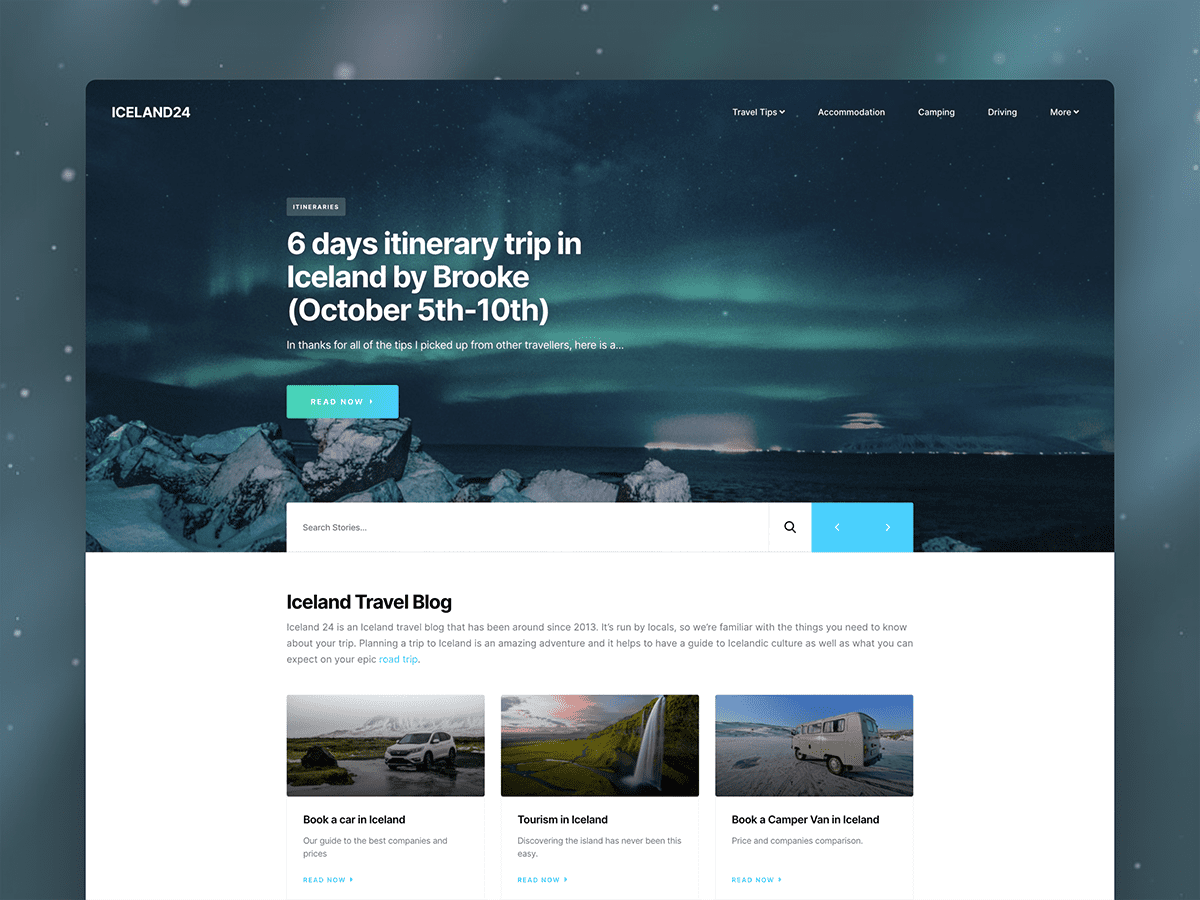
Iceland24 – This travel-focused website helps travellers scan options quickly while understanding seasonal changes. We focused on a clearer page order and tidy navigation to ensure the enquiry route works perfectly for on-the-go research on mobile devices.
Clear Protection, Terms & Cancellations
Financial protection is one of the first checks cautious travellers make, especially when they are about to pay a significant deposit. For an ATOL or ABTA compliant travel website, we place the required wording exactly where the decision happens – on trip pages, during enquiries and before payment – to provide immediate booking security.
Deposits, balances, amendments and supplier-led changes must remain easy to find and reference at all times. We organise your terms so they read clearly and stay consistent across all trips, which helps reduce chargeback risks while protecting both your margins and professional reputation.
When disruptions like weather or travel strikes occur, setting expectations early is vital for maintaining customer trust. We build clear routes for changes, refunds and urgent support, providing the specific information your team needs to act fast while ensuring a calmer after-sales experience for your customers.
Core Features We Can Include:
- Destination Hubs – Destination pages answer questions about seasons, flight routes and local basics so travellers can decide faster.
- Itinerary Pages – Day-by-day itineraries show pacing, transfers and inclusions clearly to reduce clarification calls before deposits are paid.
- API & Booking Engine Integration – Seamless connections to booking engine APIs such as FareHarbor, TrekkSoft, or TourRooster and other affiliate platforms.
- Smart Enquiries – Enquiry forms capture dates, budgets and preferences upfront, allowing your team to quote accurately the first time.
- Review Highlights – Reviews and partner standards sit beside trips to reassure new visitors who have never booked with you before.
- Support Pages – Clear change and cancellation guidance sets expectations early and reduces pressure on staff during travel disruptions.
Itineraries & Trip Pages That Build Trust Fast
Itineraries are the primary tool for earning trust because people want to scan routing, prices and transfers before digging deeper into specific hotels. Our design approach allows travellers to compare options and make decisions easily before they even reach out to your team for a formal quote.
Luxury travellers looking for certainty often need their plans to be accessible while on the move. We can build dynamic itinerary pages that automatically generate branded, offline-ready PDFs for clients to download instantly to their mobile devices, ensuring they have their details wherever they go.
Tour operator website design requires absolute consistency, particularly when managing multiple departures. Fixed departures need a dependable format that covers dates, inclusions and optional extras, allowing customers to scan details quickly while your team keeps pages accurate as the seasons change.
Travel & Tourism: Luxury, Group & Corporate
- Luxury Travel – Reassure high-spend travellers with standards, upgrades and detail-led itineraries throughout the site.
- Adventure Travel – Clarify difficulty levels, safety protocols and kit requirements so customers book feeling fully prepared.
- Tailor-Made Trips – Present options and pacing clearly so enquiries arrive with useful context for your planners.
- Group Tours – Help organisers share plans, deadlines and costs without the need for endless email chains.
- Corporate Travel – Show approval-friendly service details, support expectations and duty-of-care confidence upfront.
- Tour Operators – Keep fixed departures consistent with clear dates and transparent optional extras.
Enquiry Routes That Match the Way You Sell Travel
Not every sale starts with the same form, so we create separate routes for tailor-made trips, fixed tours and corporate groups. For corporate travel, we capture volumes, flexibility and approval timings upfront to ensure your team receives a high-quality brief from the very beginning.
For luxury and tailor-made travel, we can connect your enquiry forms directly into your CRM, such as HubSpot or Salesforce. This allows your team to see exactly which destination pages a user browsed before inquiring, enabling a much more personalised and effective first response that increases your chances of a conversion.
Many travel agency redesigns are triggered when buyers start comparing you purely on price, so we position your brand around planning excellence and accountability. This helps prospects understand why booking through an expert matters and ensures you win a spot on their shortlist before the first call is ever made.
Frequently Asked Questions
What makes travel web design different from other sectors?
Travel customers rarely land on a page and buy straight away. They compare destinations, dates and inclusions, check photos, read reviews and look for reassurance around policies and pricing. A strong travel website supports that behaviour. It makes browsing easy on mobile, keeps key details obvious without overwhelming the page and guides people towards the right next step, whether that’s booking, requesting a quote, or speaking to your team.
Can you integrate our booking system or channel manager?
Yes. We can connect your site to many booking tools, channel managers and property or tour systems via API or secure iFrames, or we can shape the journey around your current setup so it still feels smooth for customers. Sometimes the best route is a fully connected booking journey. Other times, it’s a simpler hand-off that keeps things reliable and easier to maintain. We’ll recommend the safest option based on your platform, your workflow and what customers need to do.
Do you build booking-first sites, enquiry-first sites, or both?
Both, and we’ll recommend the right model based on what you sell. If your trips are productised with fixed dates and pricing, a booking-first journey usually makes sense. If you offer tailored itineraries, group travel, luxury trips, or anything that needs qualification, an enquiry or quote-first flow can convert better and reduce time-wasters. We can also build a hybrid approach, so customers can self-serve when it’s simple, but still reach a person quickly when it’s complex.
Will we be able to update trips, itineraries and destinations ourselves?
Yes. We build WordPress travel sites with a clear, consistent page format, so your team can update trips without worrying about breaking the layout. That includes day-by-day itineraries, inclusions, FAQs, galleries, pricing notes and seasonal messaging. If you’re running lots of trips, we’ll make adding a new one feel repeatable and tidy, rather than rebuilding a page each time. We can also provide a short handover so your team knows exactly how to keep things consistent.
How do you help people find our trips in Google?
Travel SEO works best when your site is organised the way people search. That usually means destination hubs, trip type pages and itinerary pages built around specific intent, rather than one broad page trying to cover everything. We’ll help you plan a structure that avoids thin or repeated pages, makes it easy for visitors to move between related trips and destinations and gives each page a clear purpose. Furthermore, we integrate Yoast SEO or RankMath and focus on the technical basics that matter for travel sites, like speed and keeping large content libraries well organised.
Can you structure destination and itinerary pages for lots of trips?
Yes. We set up a consistent page format for destinations, trip types and itineraries, so every new trip follows the same order and answers the same booking checks. That keeps a growing library tidy, helps travellers compare options quickly and stops important details drifting across pages. It also makes updates faster for your team, which protects accuracy at scale.
Can you migrate our existing content without hurting rankings?
Yes. We’ll start by identifying the pages that currently bring in enquiries and bookings, then plan the move so nothing valuable is lost. If any page addresses need to change, we’ll put the right 301 redirects in place and make sure links across the site still land on the correct pages. We will also carry across important page details like titles, headings and structure, then check the launch for common issues such as broken links, missing images and pages that have accidentally been hidden from Google.
Can the site support multilingual and multi-currency?
Yes, depending on how you sell. If you operate in multiple languages, we can set up a structure that keeps language versions clean and manageable, rather than duplicating content in a messy way. For pricing, we can support multi-currency where it genuinely helps, or present clearer “from” pricing if trips vary by season, room type, or group size. The right setup depends on whether prices are fixed, seasonal, per-person, or pulled from your booking system, so we’ll match the approach to how you actually sell.
How do you keep travel websites fast when they’re image-heavy?
Travel sites often get slow because images are too large, videos are overused and pages try to do too much at once. We keep sites fast by designing with performance in mind from the start, implementing WebP formatting and lazy loading, and keeping the codebase lean. That matters because slow travel sites lose people at the browsing stage, especially on mobile. A faster site usually improves both conversion and visibility, without losing the premium feel.
What do you need from us to get started?
A clear overview of what you sell, who you sell to and how bookings or enquiries work today. It also helps to know what’s currently not working, whether that’s poor enquiries, low booking conversion, or the site being hard to update. Sharing access details for any booking, enquiry, or customer systems you use and examples of competitor sites you like is also highly beneficial. From there, we can recommend the right structure and produce a clear plan before design begins.
How do you present ATOL, ABTA and financial protection clearly?
We bring protection details forward where travellers make decisions: on trip pages, enquiry steps and any deposit or payment messaging. We present the right wording in plain English, so people understand what cover applies, who holds it and what it means for their booking. That reduces doubt at the point of commitment, cuts the “are we protected?” calls and supports more bookings.
How long does a travel web design project take?
It depends on the number of templates, the content volume and how complex your booking or enquiry journey is. A smaller travel site with a handful of key templates can move quickly. A larger destination-led site, or one that needs deeper integrations and structured trip content, naturally takes longer. Once we’ve reviewed your requirements, we’ll come back with a realistic timeline and milestones, so you know what’s happening, what you need to provide and when the site is ready to launch.