
Ecommerce Website Design Agency
We design ecommerce websites that look credible and feel easy to use, helping more visitors move towards a sale. As a London ecommerce web design agency, we build bespoke stores around how your customers browse, find products and check out, giving buyers a clearer route to purchase and your team a website that is simpler to run.
View Work Get a Proposal

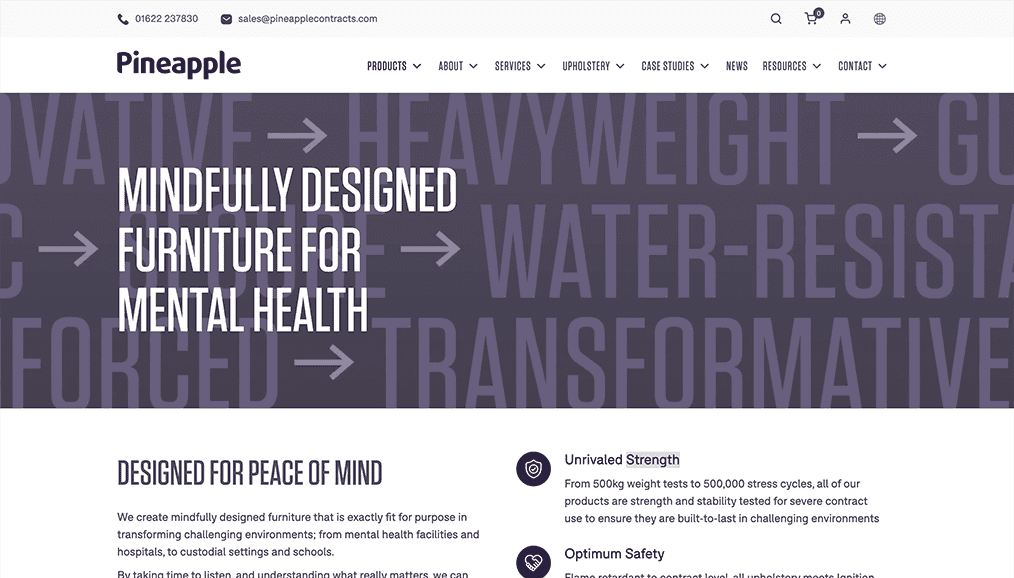

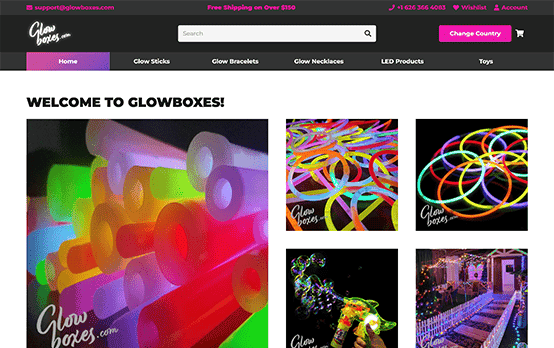

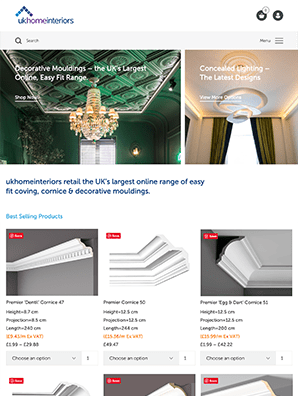
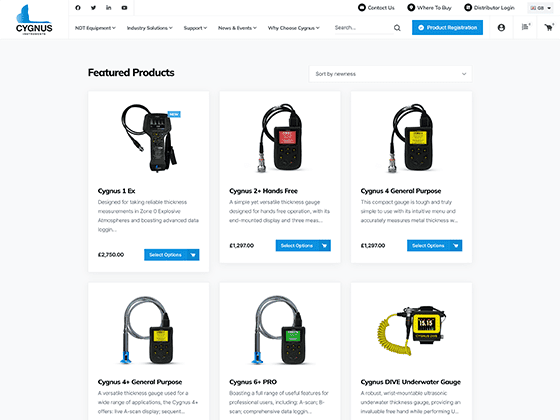
Bespoke Online Store Design for Growing Brands.
As a London ecommerce web design agency, we build bespoke Shopify and WooCommerce stores for growing businesses. From retail brands to B2B companies with large catalogues, each store is shaped around your products, customers, buying journey and the way your team manages sales.
Looks alone do not sell products. We design category structures, product pages, search paths and checkout journeys that help shoppers compare options and buy with less friction. Every layout is planned to support sales while keeping the store practical for your team to run day to day.
We start with a review of your catalogue, customer journeys and the results you want to see from your online shop. From there, we identify the pages that matter most, design the main shopping paths, test the experience across devices and launch in a controlled way, so your store opens stable and ready to sell.
Get a Practical Store Review

Ecommerce Web Design Services That Drive Sales.
We design ecommerce websites that put shoppers at ease and move towards checkout. Each store is structured to support sales.

Bespoke Ecommerce Design
We avoid off-the-shelf templates because your store should reflect your brand, products and customers. Bespoke ecommerce websites are designed around audience and buying journey, giving you a shop that converts visitors.
WooCommerce Store Design
WooCommerce suits businesses that want flexible store design inside WordPress. We design stores with clear product layouts, structured categories and customer journeys that support sales and growth without a rigid template.

Shopify Store Design
Shopify suits brands that want a reliable shop that is simple to manage. We design Shopify websites that look professional and easy to browse, giving your team control over products, collections, promotions and content.

Mobile-First Ecommerce Layouts
Most customers shop on a phone, so mobile comes first. We build ecommerce websites with simple menus, readable details, clear calls to action and checkout journeys that stay fast and easy across devices.

Product Category Design
We design category pages that help shoppers narrow choices. Categories are structured around how people search, compare and decide, with layouts, filters, previews and content that moves customers from browsing to buying.

Search Filter UX
Large catalogues need to feel shoppable so customers do not give up searching. Search and filtering lets users sort by details such as size, colour, price, type, brand or use case, narrowing ranges.

High-Trust Product Pages
Product pages need to answer questions before shoppers leave. We design layouts for images, descriptions, pricing, delivery details, reviews, specifications and related products, helping customers feel confident to add items to basket.

Checkout UX Design
We stop sales slipping away at the final step. Checkout journeys are short, secure and easy to follow, with clear forms, payment options and delivery costs, cutting distractions so shoppers complete the purchase.

Buyer Trust Markers
Trust features help at the moments that matter. Reviews, delivery information, returns details, payment reassurance, contact options and brand messaging answer important doubts, so customers feel safer before ordering.

Visual Brand Consistency
Your store should feel like a true extension of your brand. Consistent layouts, typography, spacing, imagery and calls to action give your shop a professional look from homepage right through checkout.

Conversion-Focused Page Layouts
Every page needs a clear commercial job. Each layout is designed around what that page must achieve: helping customers discover products, compare ranges, understand value, send an enquiry or complete a purchase.

Content-Led Ecommerce Structure
Content reassures shoppers without cluttering the path to purchase. Buying guides, FAQs, delivery information, product advice and support content are placed where shoppers get answers while the buying journey stays focused.

Fast Store Design
Speed is built in from the first decision, because slow pages lose shoppers before they reach the basket. Avoiding bloated layouts and oversized sections creates a leaner system that keeps product and category pages quick and easy.

Measurable Ecommerce Sites
Your store is designed so you can measure results after launch. Key journeys are built around product views, basket additions, checkout starts and completed sales, showing how shoppers behave and where to improve.
Designing Shop & Product Pages That Convert.
We design ecommerce stores for retail brands and B2B suppliers, and a bespoke layout converts better than a template stretched to fit. Shop and product pages are shaped around how your customers actually buy, placing add-to-basket actions, pricing, delivery reassurance and reviews where they carry the most weight. The result is a page that answers doubts in the right order and makes the decision to buy feel easy.
Mobile is where most of those decisions now happen, so we design for the phone first. That means sticky basket buttons, thumb-friendly galleries, short forms and a checkout that stays quick on a small screen, because mobile shoppers abandon fastest when a layout fights them. Desktop and mobile journeys are designed with equal care, rather than treating mobile as an afterthought.
We also design the features that lift conversion and repeat sales: subscribe and save, wishlists, bundles and upsells, clearer reordering and trade-pricing layouts for B2B catalogues. For stores with larger ranges or more complex buying decisions, the focus is on making products easier to browse, compare and buy with confidence. Whatever the store sells, the design goal stays commercial: fewer visitors who leave empty-handed, and more who reach the checkout.
How We Design Ecommerce Stores.
A practical design process focused on shoppers, sales and store management

Initial Discovery
We meet with you to understand exactly what you sell, who your target buyers are, and how your ecommerce website needs to support daily trading. Customer behaviour, product structure and team workflows are reviewed, helping us plan a clear design process around your commercial priorities.

Structure & Planning
We map out how customers should move through your new ecommerce website. By organising categories, search paths, product layouts and checkout processes clearly, shoppers can find what they need more easily and move smoothly from browsing to a completed purchase.

Design Phase
We design the key ecommerce pages that influence sales, including the homepage, category pages, product listings, product detail pages and checkout layouts. The focus is on clean, professional design that earns buyer trust and shows your products at their best, giving your brand a sharper commercial edge.

Content Migration
Moving existing products, categories, images and customer information needs careful planning. We help organise your ecommerce content so the new design launches with clear product data, useful category structures, accurate imagery and the information shoppers need to compare products with confidence.

Build & Testing
Once the designs are approved, we shape the ecommerce website and test the experience across key devices, browsers and screen sizes. Product pages, basket behaviour, checkout journeys, discount codes and important customer actions are checked before the website launches, helping your store feel stable and reliable.

SEO Protection
Protecting your current Google visibility matters when redesigning an ecommerce website. We review your existing product, category and landing pages, then plan redirects carefully so customers and search engines reach the right pages after launch, helping protect traffic, rankings and sales.

CMS Handover & Launch
We launch your new ecommerce website carefully, monitoring the store as real users browse, add products to basket and place orders. After launch, we provide training so your team can manage products, content and daily updates with confidence, supported by ongoing help where needed.
Turning Browsers Into Buyers With Conversion-Led Design.
Most lost sales come down to friction at a specific point in the journey: a slow page, a confusing category, a product question left unanswered or a checkout that asks too much. We design ecommerce stores to find and remove those sticking points, so customers keep moving from your homepage, a product page or a search result towards the basket. Often, a single awkward step is what stands between a browsing visitor and a completed order.
During the design process, we look beyond individual pages and focus on how the whole buying journey fits together. That means search that returns the right products, filters that narrow a large range without dead ends, and clear next steps so nobody lands somewhere confusing or has to backtrack. The closest attention goes to the moments where people hesitate or drop out, because that is where small design changes can recover the most sales.
This design-led approach does more than win first-time sales. Clear navigation and consistent, trusted layouts also make your store easier to return to and simpler for your team to manage and update. We also design with measurement in mind, so once the store is live, you can see where shoppers slow down and keep refining. That gives your business a higher-quality foundation as your catalogue and order volumes grow.
Custom Ecommerce Web Design Projects.
Real ecommerce projects we've designed and built, for retail brands and B2B suppliers with very different things to sell.
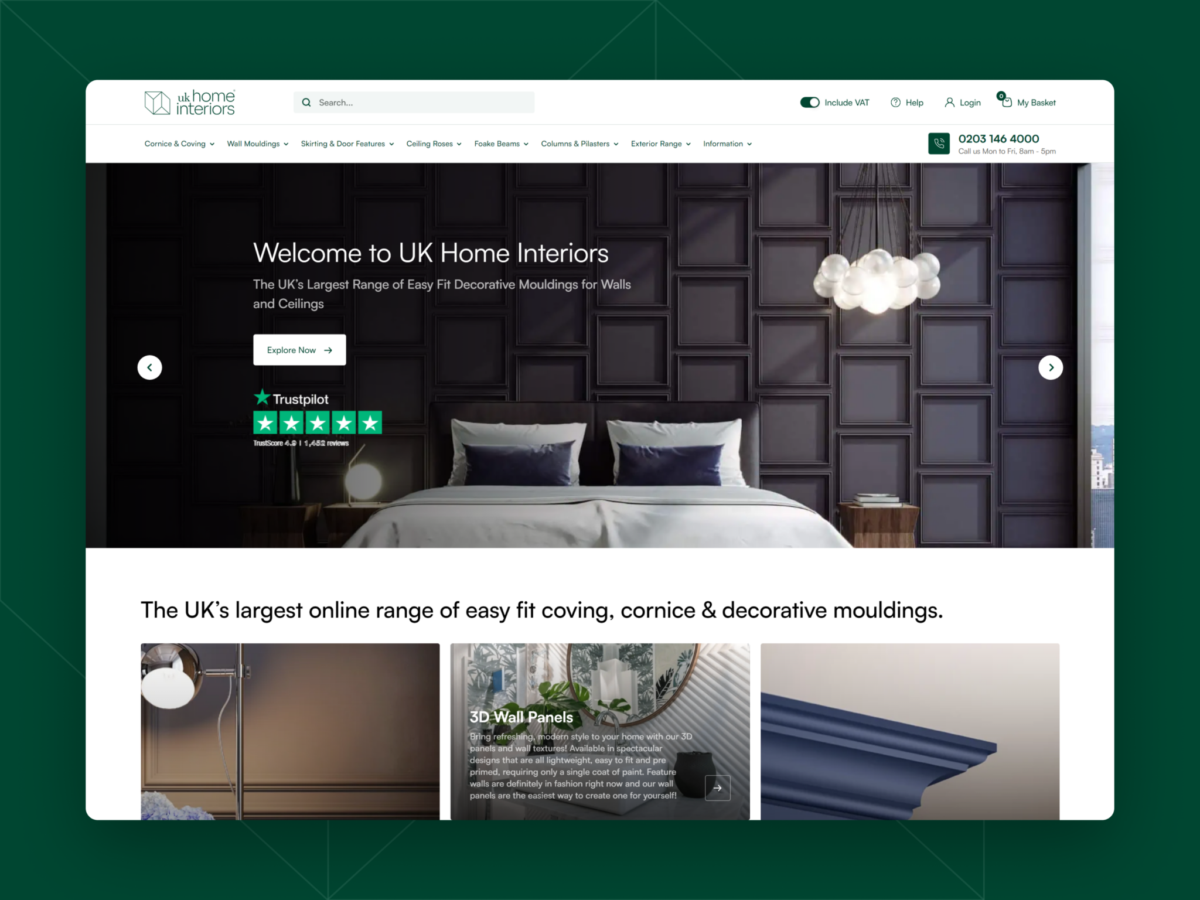
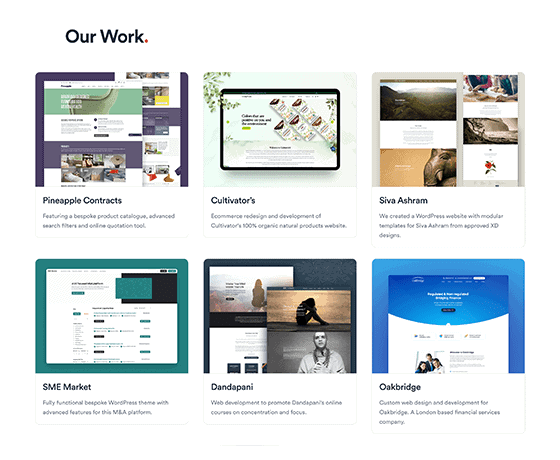
Ecommerce Website with Intelligent Product Search
Bespoke ecommerce website helping interiors customers find products faster through clearer categories and intelligent search.
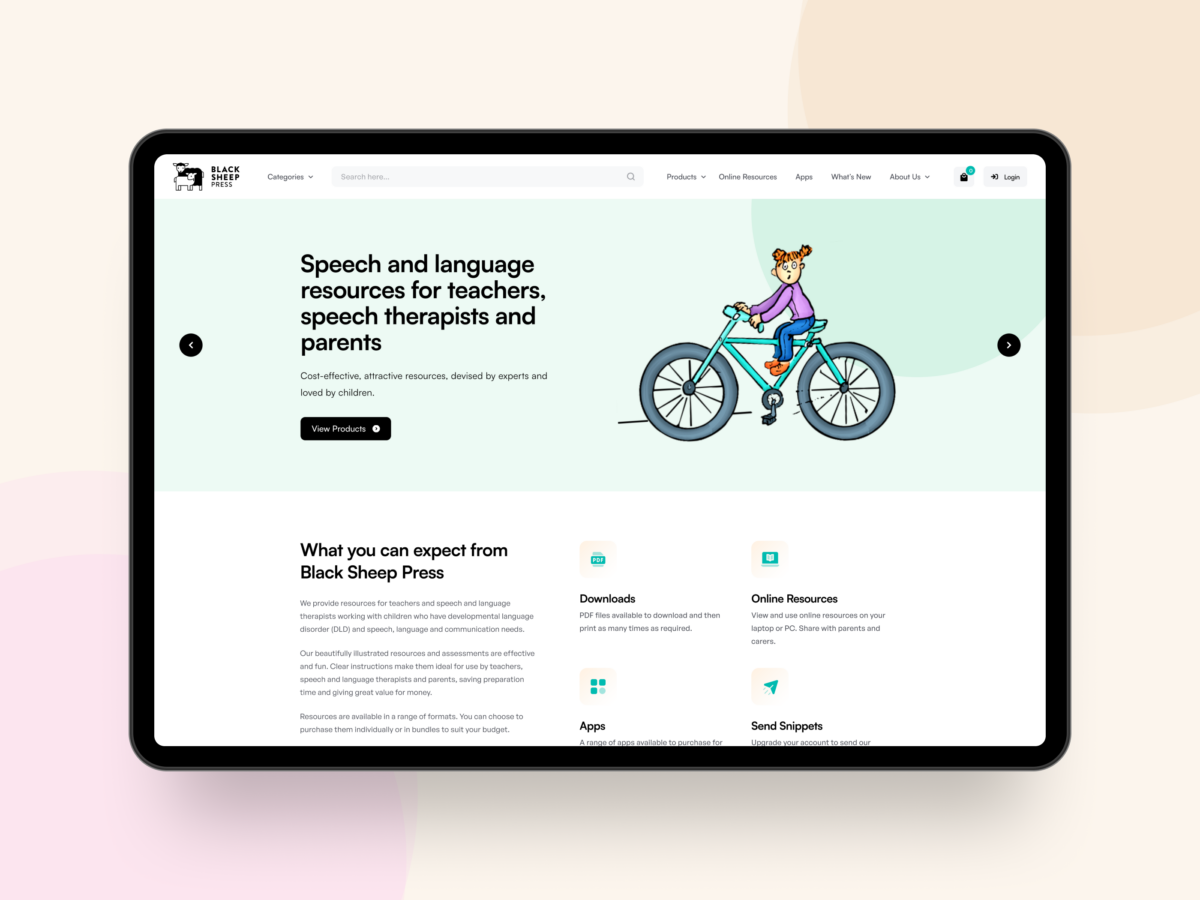
Publisher Store with Digital Resource Downloads
Bespoke online store helping education buyers browse, understand and purchase digital teaching resources more easily.

Manufacturing Site with B2B Trade Flow
Ecommerce website helping trade buyers compare manufacturing products clearly and move into enquiry with less friction.
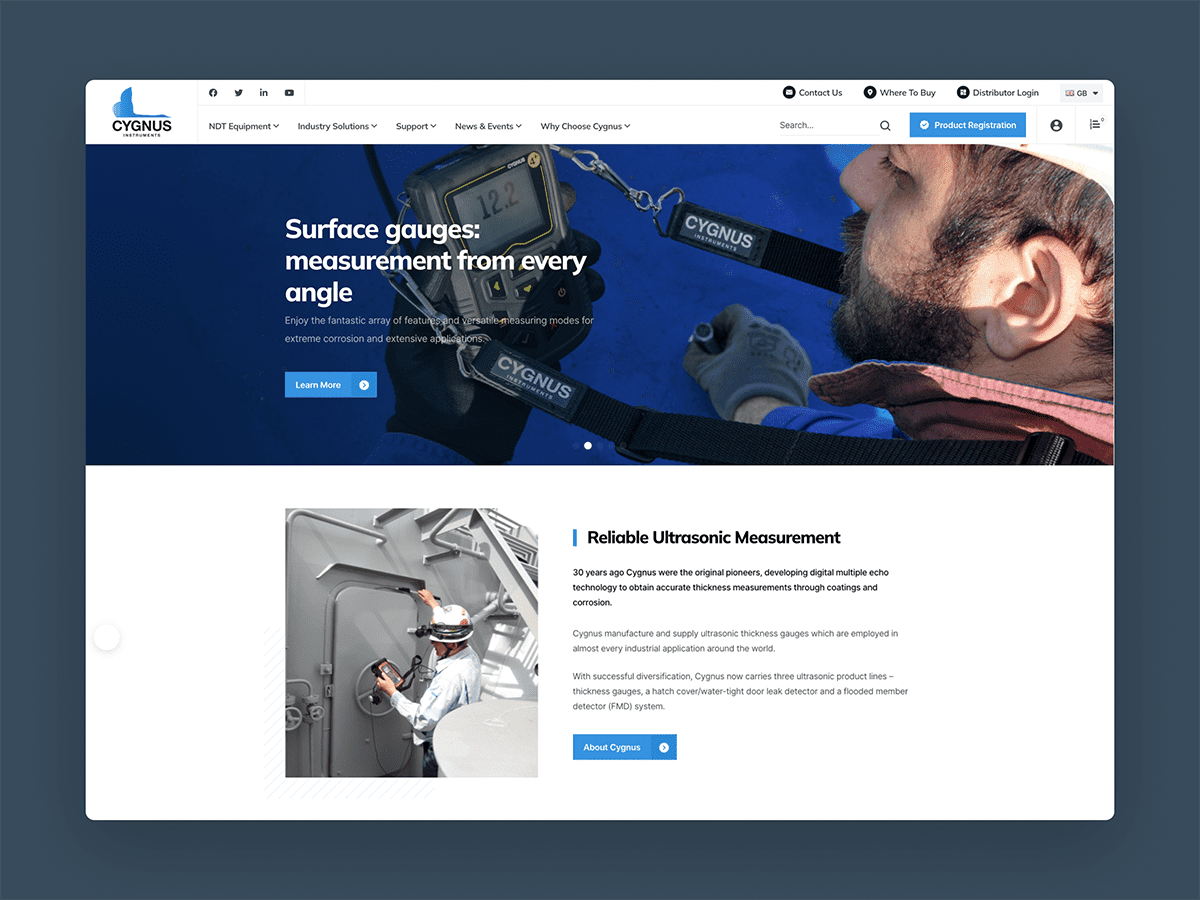
Ecommerce Site with Distributor Sales Portal
Bespoke ecommerce website helping specialist equipment buyers browse technical products and request quotations more confidently.
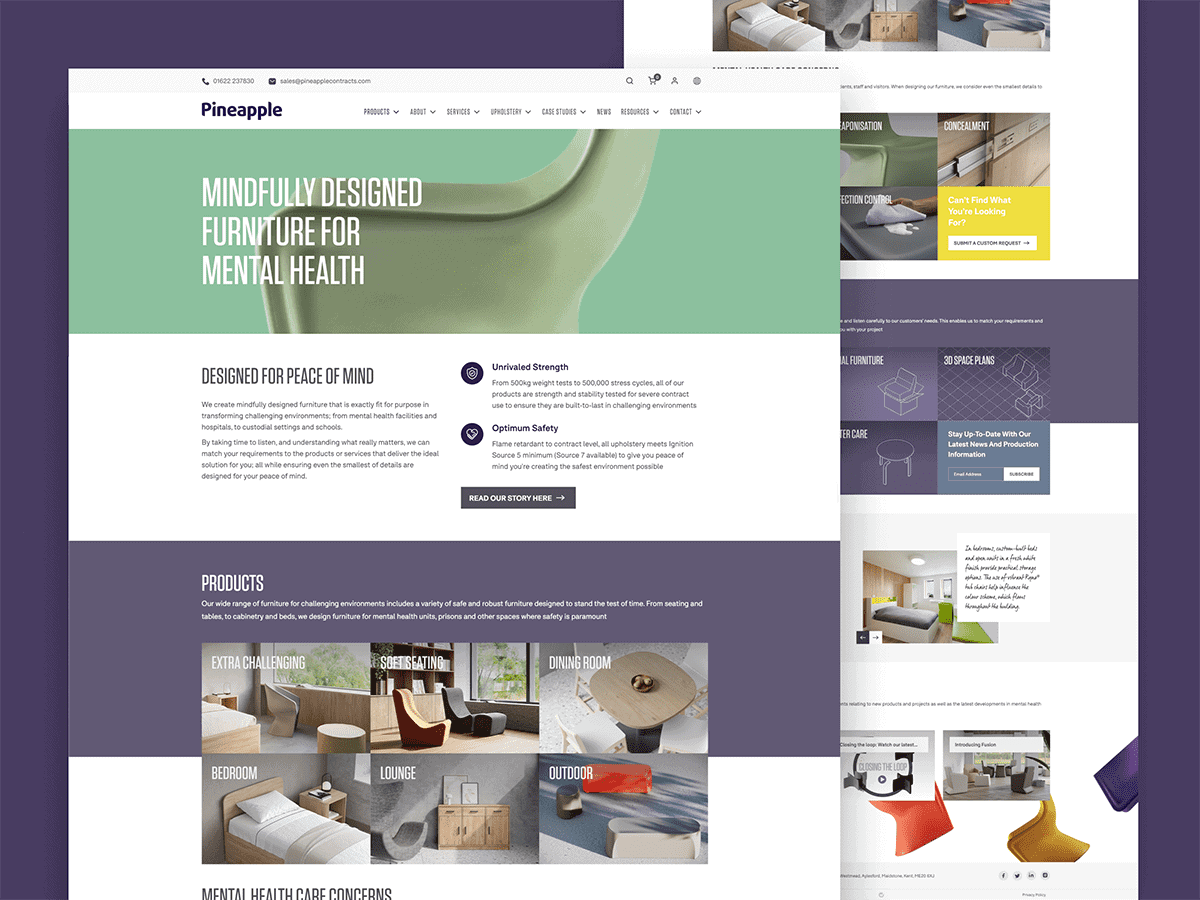
B2B Portal with Custom Quotation Tool
B2B ecommerce portal helping commercial buyers browse contract furniture and create custom quotation requests more easily.
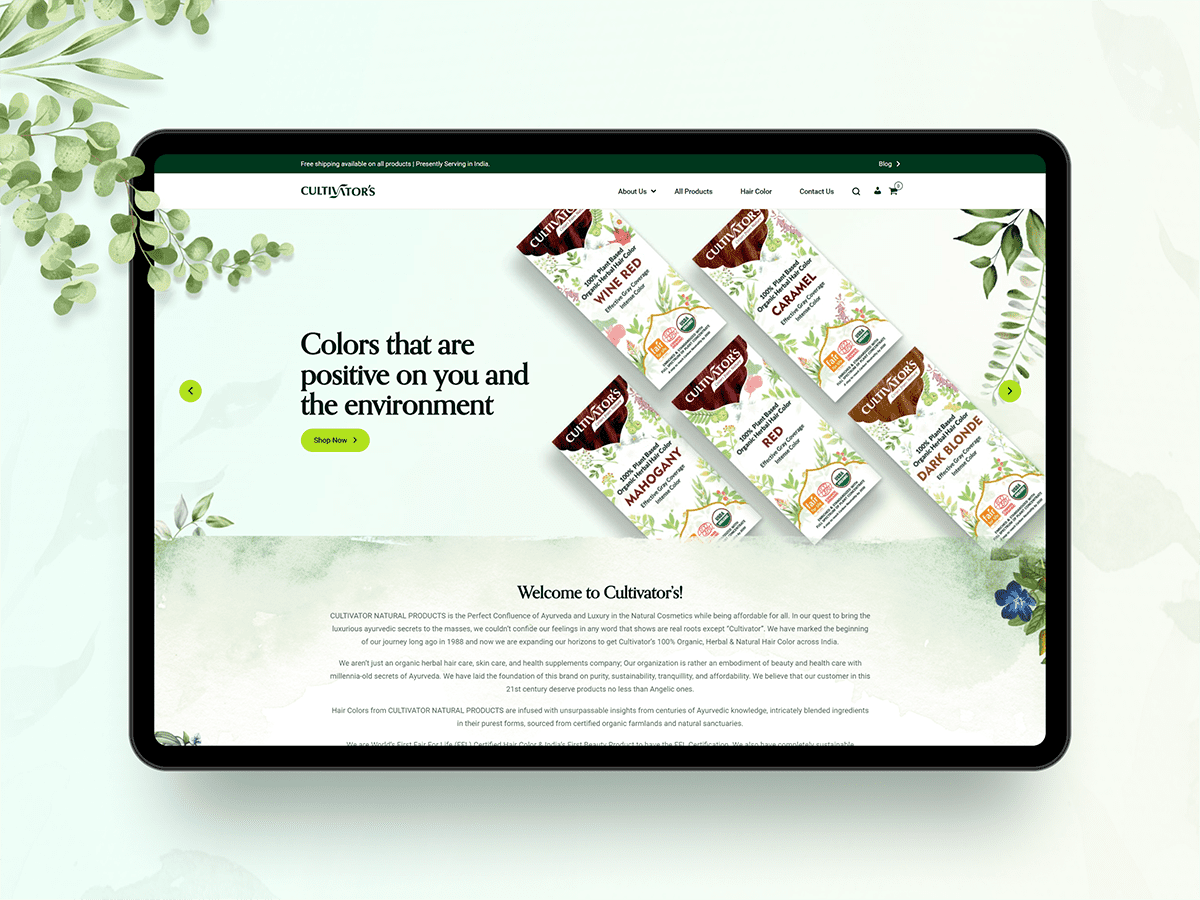
Organic B2C Ecommerce Product Store
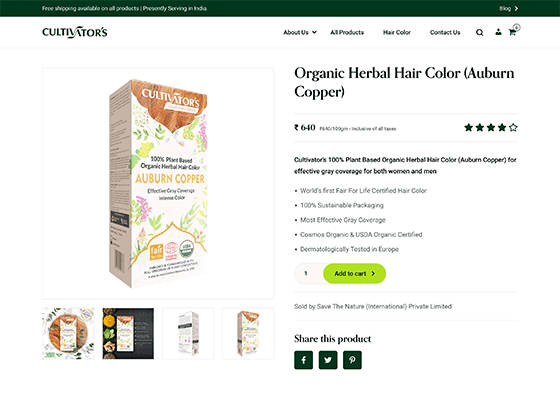
B2C ecommerce redesign for Cultivator Natural Products showcasing their 100% organic and Ayurvedic range of products.
Ecommerce Web Design Backed by Technical Delivery.
Good ecommerce web design has to work beyond the screen. Product pages, baskets, checkout steps, stock messages, delivery options and customer account areas all need to stay clear for shoppers while quietly supporting how your team manages orders behind the scenes.
As part of our ecommerce web development service, we connect your store to the tools you already use, from payment providers and stock systems to accounting, fulfilment and CRM platforms. Those links are designed so customers get a simpler experience and the technical work stays out of sight.
That balance is the point. We keep operational complexity away from the buyer, designing the shopping journey first and then building the technical structure beneath it. That structure helps your store handle higher order volumes and busier trading without the experience slipping.














5-Star Reviews from Ecommerce Clients.
Real feedback from retail clients we have designed and built ecommerce stores for.

Rachael Hughes
Black Sheep Press

Rob Fever
Pineapple Contracts

Alex Bates
UK Carp Tech

Emily De Jesus
LS Tractor USA

Tim el Gammal
Beldiamond

Chih Ju Wei
Cygnus Instruments
Seth East
Chevler
Platform Recognition & Credentials.
Featured on respected web design, website development and digital agency platforms.












Ready to Improve Sales? Let’s Design a More Professional Ecommerce Store
If you are planning a launch or redesign, talk to us about ecommerce web design. We shape clearer product journeys, smoother checkouts and a sharper store built to convert, scale and stay easy for your team to manage.
Begin Your EnquiryFrequently Asked Questions.
Common questions about our ecommerce website design services.



How much should professional ecommerce web design cost?
The cost varies depending on your catalogue size, design requirements and the number of key page layouts needed. Because we design bespoke ecommerce websites rather than using templates, we provide a transparent quote after understanding your store, products and goals. The focus is on creating an online shop that supports sales.
How long will ecommerce web design take from start to finish?
A project typically takes ten to twelve weeks. This gives us time to plan your user journey, design bespoke layouts and refine the key shopping pages. Larger catalogues or extra page templates may take longer, but clear delivery timings are always agreed before work begins.
Which ecommerce platform is best for our store?
The right choice depends on your store, team and long-term plans. Shopify suits brands that want a clean, hosted setup. WooCommerce works well for businesses that want flexible WordPress design control. We help you choose the platform that best supports your products, content and customer journey.
How do payment options affect checkout design?
Payment options are a key part of ecommerce website design because they influence trust at the final step. We design checkout journeys that present payment choices clearly, including card payments, Apple Pay, Google Pay or Klarna where suitable, helping shoppers complete purchases with less hesitation.
How do ecommerce websites build customer trust?
Trust elements are added into the points where shoppers hesitate. Clear layouts, secure checkout messaging, visible delivery and returns details, reviews and easy ways to get in touch all sit where they answer doubts, so customers feel more confident before adding to basket or placing an order.
Will our current website stay online during the redesign?
Yes, your existing website can continue trading while the new ecommerce design is created. We work on a private staging version, allowing you to review layouts, test key journeys and prepare your team before launch. Your customers only see the new store when it is ready.
How do you handle existing products, categories or content?
We review your existing products, categories, imagery and content before designing the new store. This helps us decide what should be kept, improved, merged or restructured. The aim is to make your catalogue easier to browse, easier to understand and better aligned with how customers shop.
How do you protect SEO during an ecommerce redesign?
SEO protection starts with careful structure. Before the website goes live, we review your existing product, category and landing pages, then plan how they should fit into the new design. This helps protect useful content, maintain clear page relevance and reduce the risk of losing valuable organic search traffic.
Will we fully own our ecommerce website?
Yes, we believe in clear ownership. Once your project is complete and paid for, you own the approved design assets, content and customer data. If your store is built with WooCommerce, you also benefit from the extra control that comes with a self-hosted WordPress website.
What support do you provide after launch?
At handover, we provide training videos and documentation so your team feels confident managing products, content and everyday updates. To help you settle in, we include 30 days of free support, followed by flexible ad hoc or retainer-level support for your ecommerce website.
Ecommerce Design Insights.
WooCommerce vs Shopify: Which Is Better For Your UK Online Store?
WooCommerce and Shopify power millions of online stores, but they build very different websites. Choosing the right one saves costly rebuilds later.
The 6 Types of Ecommerce Business Models
Explore the six main types of ecommerce business models. Understand how each works, their benefits, and which is best for your goals.

How Much Does a Website Cost in the UK in 2026?
Understand the main factors that influence website pricing, from design depth and content to development, ecommerce and ongoing support