
Ecommerce Web Development Agency
Webpop Design is a London ecommerce web development agency building fast, scalable online stores with reliable checkout and product structures your team can control. Custom stores are shaped around your platform, integrations and operations, so the site keeps pace as sales and product demand grow.
View Work Get a Quote


Why Choose Webpop Design for Ecommerce Web Development.
Webpop Design builds bespoke ecommerce websites for businesses that need more than a standard theme. Our team has worked together since 2008, with hundreds of launches behind us. Detailed planning and experienced ecommerce development come together to create stores that stay fast, stable and easy to manage as they grow.
Ecommerce websites can be developed on WooCommerce or Shopify. Working across both lets us recommend the platform that fits your store, even where that means a more involved build, then tailor the site around product structures, checkout logic, integrations, content tools and the backend workflows your team manages once the store is live.
Every project is led hands-on, so the decisions that shape your store, platform choice, product structure and checkout functionality come from experienced developers. That means clean development, proper testing and a partner who understands the commercial side of selling and running a store over time.
Get a Practical Store Review

Our Ecommerce Development Services in London.
Technical ecommerce development for stores that need reliable functionality, integrations, migration support and long-term flexibility.
WooCommerce Development
Tailored WooCommerce websites give you tighter control over performance and management. Using Advanced Custom Fields, we create custom admin tools and product structures your team edits directly as the store scales.

Shopify Development
Our Shopify service, including Shopify Plus, helps brands launch faster and manage products easily. From custom sections and app setup to product data, we build Shopify stores that adapt as you grow online.

Frontend Ecommerce Development
Approved designs become fast, responsive storefronts that hold up under traffic. That includes product templates, category layouts, basket interfaces, checkout screens and editable sections, giving your team a store that works.

Ecommerce Migration Services
Replatforming an online store needs detailed planning and accurate data handling. We manage migration across products, customers, orders, URLs, redirects and page structure, so businesses move with less disruption safely.

Custom Ecommerce Functionality
Growing stores need features themes cannot handle. We build functionality around product rules, account areas, quote requests, trade pricing and workflows, giving your store features shaped around how you sell.

Product Catalogue Architecture
Large or complex catalogues need a proper technical structure. We organise product data, categories, attributes, filters, variations and search logic, so the store stays manageable and quick for customers to browse online.

Ecommerce Plugin Development
Standard plugins do not always suit how your business works. Our plugin development service builds custom features and integrations that remove manual tasks and give your store functionality tailored to the way you work.

Custom API Integrations
We develop custom API integrations that connect your store with software your business uses. From stock and delivery systems to customer databases, we move data between platforms and take admin off your team.

Checkout Optimisation
Checkout is where ready-to-buy customers drop out. We improve journeys by removing obstacles and cutting steps that slow buyers down, so paying feels clearer. Reliable payment setup and checkout logic reduce abandonment.

B2B Ecommerce Development
B2B ecommerce needs more than a standard shop. We build systems for trade accounts, custom pricing, bulk ordering, quote requests and repeat purchases, giving B2B businesses a stronger ordering experience.

Subscription Websites
Subscription ecommerce needs features from sign-up to renewal. We build websites that handle recurring payments, account management, communication and journeys that keep people subscribed, giving businesses predictable income.

Headless Commerce Development
Headless development gives brands flexibility over content and presentation, with faster delivery. We separate the customer-facing site from the commerce system, building adaptable storefronts and a stronger base.

Ecommerce Support & Maintenance
When a store goes down, you lose sales every hour it stays offline. Our maintenance cover gives you contact with your developer. Updates are tested before the final launch, so faults get diagnosed and fixed, keeping downtime minimal.
Custom Functionality Designed For How You Sell.
Our ecommerce design and development work is built around stores that need more than standard product pages and a basic checkout. That may include trade pricing, customer-specific catalogues, quote requests, subscriptions, digital downloads, repeat ordering, stock rules or admin tools that reflect how your business sells. We scope those requirements in detail up front, so the finished build supports both your customers and your internal team.
Custom ecommerce development is most valuable when it removes friction from real business processes. That might mean helping trade customers order in bulk, giving staff a faster way to manage product data, improving the digital download journey or linking customer actions to the right follow-up. Every custom feature we add is there to make the store easier to run for your team and easier to use for your customers.
Because every custom feature affects the wider ecommerce system, we build with stability and long-term performance in mind. We check how each feature connects with checkout, account areas, reporting, content management, SEO and future updates, so your store keeps improving as your products and operations grow.
Our Ecommerce Development Process.
A clear ecommerce development process focused on planning, performance, testing and long-term reliability.

Project Discovery
Every project starts with understanding your business, customers, products, competitors and growth goals. We define requirements, review your current website, flag technical constraints and set out a clear delivery plan. This early work cuts wasted time and keeps development focused on the outcomes your business needs.

Technical Planning
Before build begins, we plan how the ecommerce system should work. This covers platform choice, product structure, checkout requirements, content tools, integrations and how your team will manage the store day to day. Strong planning makes the store easier to run and more reliable as sales grow.

UX Template Planning
We plan the core templates customers and staff use every day, including product pages, category pages, basket, checkout and account areas. The focus is on clear journeys and mobile-friendly layouts with practical content control, so the store is easier to browse and quicker to buy from.

Development
Once the structure is approved, development begins with code and features shaped by your requirements. Responsive templates, custom functionality, product settings and content tools are built to grow with your business. We focus on security, speed, technical SEO and stable ecommerce foundations from the start.

Testing & QA
Ahead of the final launch, we test on real iOS and Android devices, across browsers and key journeys. We run test transactions through each payment method, check tax and delivery rules, then confirm orders reach your systems. This catches faults that would otherwise surface on launch day.

Launch & Support
Launching the store is only the start. We support clients through go-live, monitor performance, resolve issues and help the platform keep improving over time. From updates and fixes to further development, ongoing support protects your investment and keeps the website performing properly.
Ecommerce Architecture Built for Scale.
A reliable ecommerce website starts with the right technical structure. Before development begins, we assess your catalogue size, product types, content needs, platform choice, checkout requirements, customer accounts and future plans. This gives you a store that works at launch and stays practical to manage as your product range, traffic and order volume grow.
Good ecommerce architecture makes the store easier to extend. Product data, variations, attributes and filters need to be planned properly, so the catalogue stays fast to browse at 200 products or 20,000. This matters most for large ranges and B2B accounts, where the right foundation helps your team manage the store confidently and makes new features easier to add.
We build with performance, security and long-term flexibility in mind. That means clean code, sensible platform decisions, proper testing, technical SEO and, where needed, custom WordPress theme development to support specific ecommerce functionality. Behind the scenes, your store keeps working reliably as your business grows.
Our Ecommerce Work in Action.
Online stores, portals and ecommerce systems built around product management, reliable checkout, custom workflows and easier daily operations.
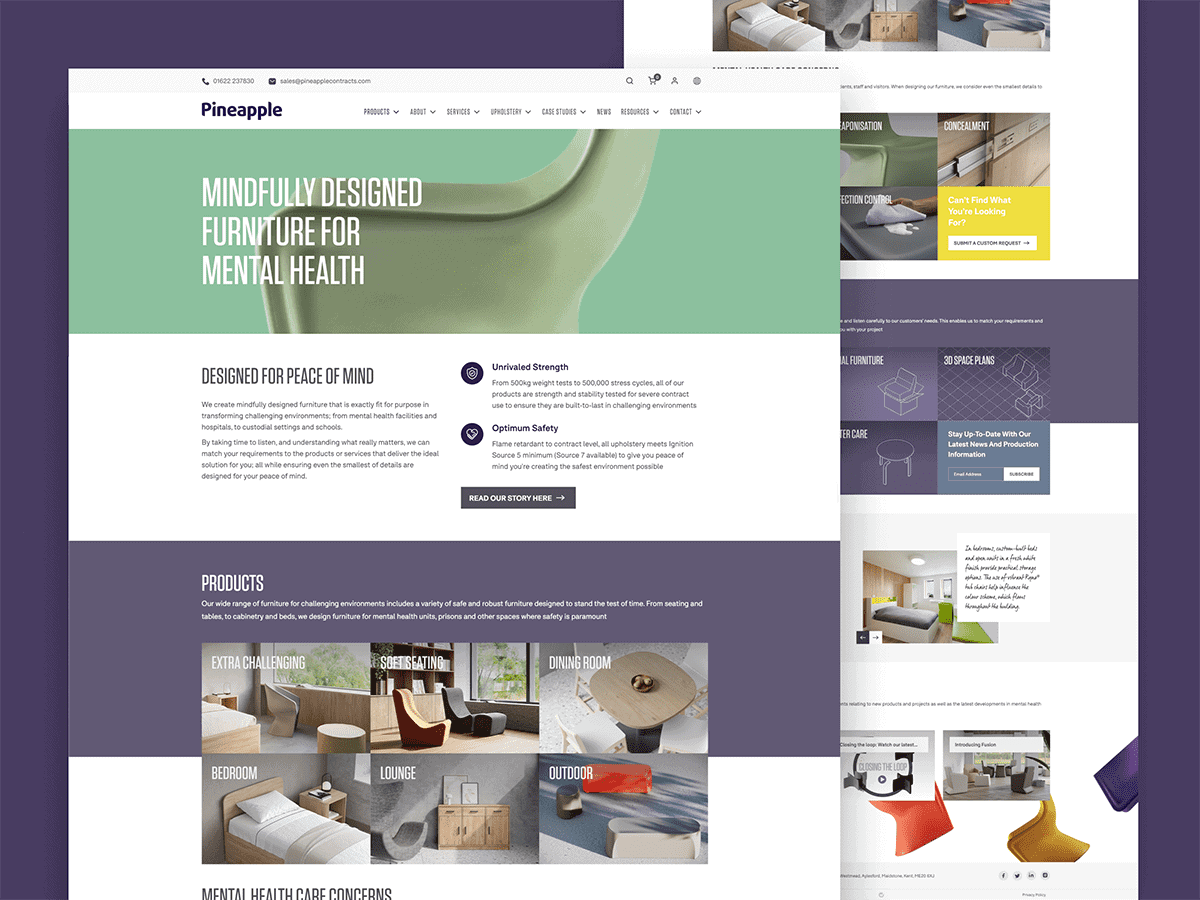
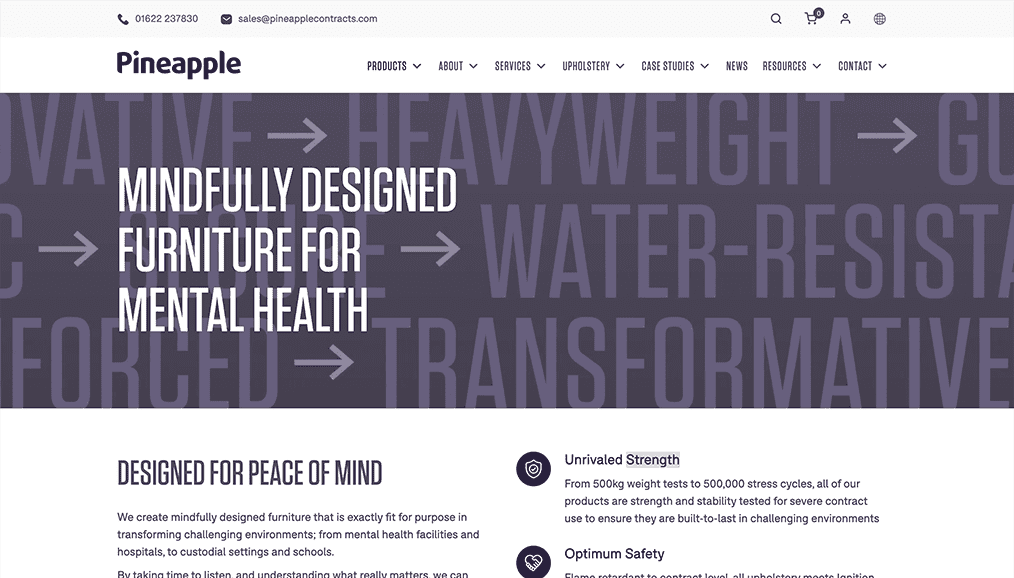
B2B Ecommerce Portal With Custom Quoting
B2B ecommerce development for Pineapple Contracts with structured catalogue browsing, advanced search and quotation tools.

Luxury Furniture Store Built for Sales
Ecommerce development for Dukes, supporting luxury furniture sales, product browsing and stronger customer engagement.
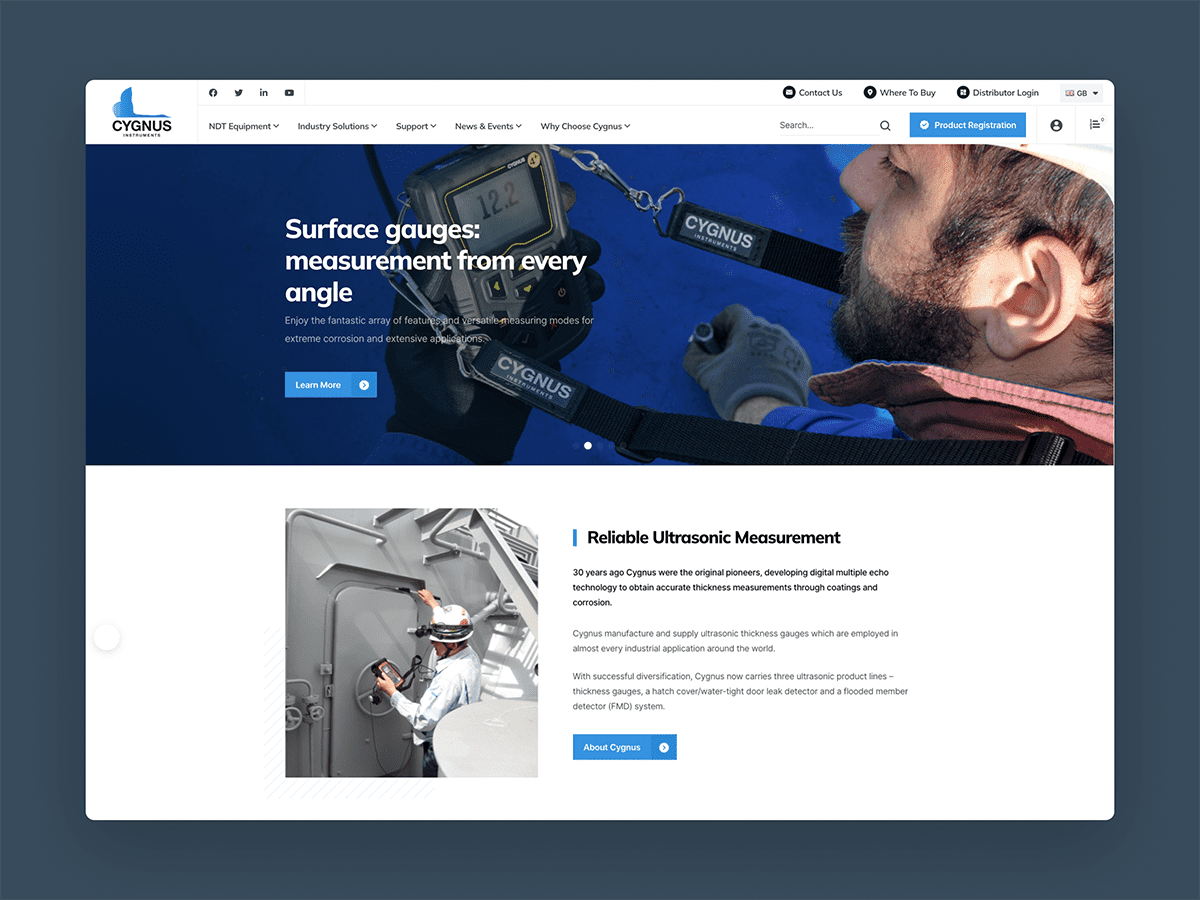
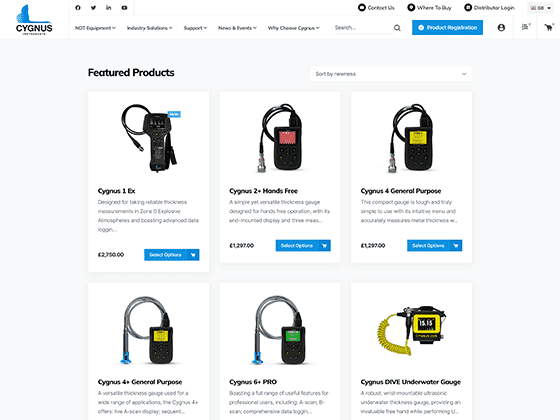
WooCommerce Site With Distributor Portal
WooCommerce development for Cygnus Instruments with distributor access, technical product browsing and tailored quoting.
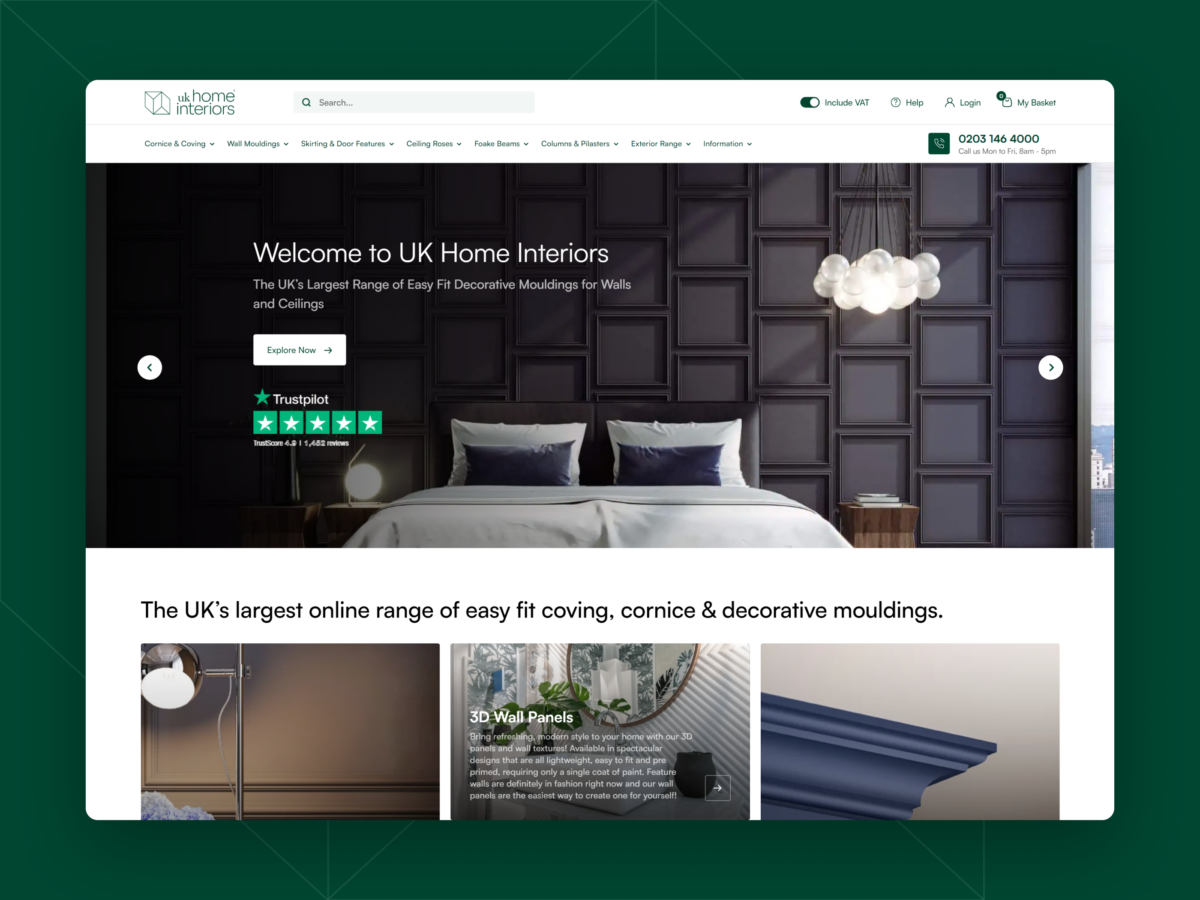
Ecommerce Build With Intelligent Product Search
Bespoke ecommerce development for UK Home Interiors with intelligent product search, custom integration logic and clearer catalogue browsing.
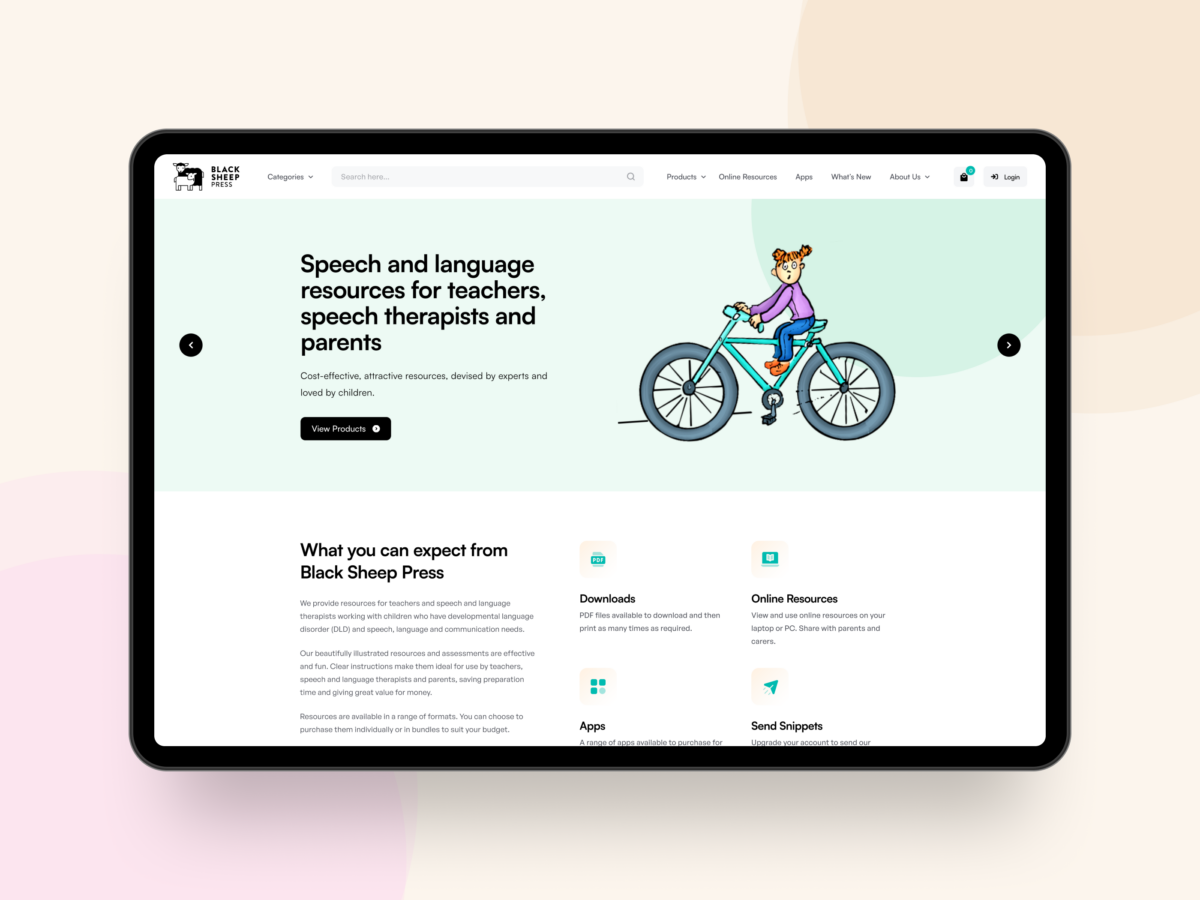
Educational Publisher Store With Digital Downloads
WordPress and WooCommerce development for Black Sheep Press with downloadable resources and app integration.

WordPress Site With Trade Enquiry Flow
WordPress development for Chevler with clearer product navigation, stronger packaging content and a streamlined trade enquiry flow.
Payment and Systems Integration for Ecommerce.
Webpop Design builds ecommerce websites that connect with the tools your business relies on to sell, fulfil, track and manage orders accurately. That includes Apple Pay, Google Pay, Klarna, PayPal, Stripe and major card gateways, giving customers a faster checkout they recognise and trust.
We also connect the systems running behind the scenes. From shipping platforms, stock control, fulfilment software and EPOS systems to CRMs, accounting tools and email marketing platforms, data moves accurately between each system, reducing manual work and making ecommerce admin easier.
Each integration is planned around how your business operates, rather than bolting on plugins by default. Every connection is shaped around performance, accuracy and scale, whether that is GA4, Google Merchant Center, Meta Pixel, Trustpilot, Klaviyo, HubSpot, Mailchimp or a custom API. You end up with an ecommerce setup that is easier to run, manage and measure as it grows.





















5-Star Client Reviews.
Client feedback on ecommerce builds, support, store management, delivery and long-term development.

Rachael Hughes
Black Sheep Press

Rob Fever
Pineapple Contracts

Emily De Jesus
LS Tractor USA

Spencer Montgomery
Psychedelic Retreats

Tim el Gammal
Beldiamond

Alex Bates
UK Carp Tech
Reputation & Credentials.
Listed on recognised website design, web development and digital industry platforms.













Ready to Build a Much Better Ecommerce Platform?
Whether you need a new store, migration or custom ecommerce development, Webpop Design builds scalable ecommerce websites focused on performance, reliability, backend control and easier day-to-day management.
Start a ProposalFrequently Asked Questions.
Popular questions about ecommerce costs, timelines, platforms, migration, integrations, custom functionality and support after launch.




How much can ecommerce web development cost?
The cost depends on your store size, platform, functionality and the level of custom development involved. A simple store costs less than a bespoke ecommerce build with integrations, trade pricing, custom checkout logic or complex product rules. We scope each project around what your business needs, then provide clear pricing before development begins.
How long can ecommerce development take?
Most ecommerce development projects take 10–12 weeks, depending on the platform, number of templates, product catalogue size, integrations and custom functionality required. Smaller Shopify builds can move faster, while bespoke WooCommerce or B2B ecommerce projects often need more planning, testing and data handling. We agree realistic timelines from the start.
Which ecommerce platform should we use?
The right platform depends on how your business sells, how much control you need and what your store needs to connect with. Shopify can suit brands that want a hosted setup with less technical management. WooCommerce is often better for flexible WordPress builds, custom functionality, complex catalogues and deeper website control.
Can you migrate our existing ecommerce store safely?
Yes, but ecommerce migration needs careful technical planning. We review your existing products, categories, customer data, order history, URLs, metadata and redirects before anything moves. The aim is to reduce disruption, protect useful SEO signals and make sure the new store is technically stronger, easier to manage and ready to scale.
Can you integrate payment gateways and checkout logic?
Yes, we can integrate leading ecommerce payment gateways including Stripe, PayPal, Klarna, Apple Pay, Google Pay and major card providers. We also configure checkout behaviour, payment options, delivery rules and the mobile checkout flow, so customers can complete purchases smoothly while your team receives accurate order and payment information.
Can you connect our store to shipping, CRM or accounting systems?
Yes, we build ecommerce websites that connect with the systems your business uses behind the scenes. This can include stock management tools, shipping platforms, fulfilment software, EPOS systems, CRMs, accounting tools, email marketing platforms and custom APIs. Good integrations reduce manual work, improve data accuracy and make the store easier to run.
Can you build custom ecommerce functionality?
Yes, custom ecommerce development is one of the main reasons businesses work with us. We can build functionality for trade accounts, customer-specific pricing, quote requests, subscriptions, digital downloads, repeat ordering, product rules, account areas and internal admin workflows. The goal is to make the store fit the way your business sells, manages orders and serves customers.
Will our ecommerce site be built with SEO and performance in mind?
Yes, ecommerce development should support search visibility, speed and crawlability from the start. We consider site structure, URLs, metadata, product and category pages, internal linking, mobile performance, clean code and Core Web Vitals. A well-built ecommerce website gives customers a better experience and gives search engines a clearer structure to crawl and understand.
Can you improve checkout reliability and conversion?
Yes, checkout reliability is a key part of ecommerce development. We review the steps, payment options, delivery rules, form behaviour, mobile usability and technical issues that may cause basket abandonment. Improvements can include clearer checkout logic, faster loading, fewer obstacles, better payment options and a more reliable purchase flow across devices.
Do you provide ongoing ecommerce support after launch?
Yes, we provide ongoing ecommerce support, maintenance and development after launch. As your business grows, you may need updates, new features, integration changes, performance improvements, bug fixes or technical guidance. Ongoing support keeps your store secure, stable and improving, rather than leaving it untouched after launch.
Ecommerce Development Insights.

101 Actionable Fixes to Increase Website Conversions
Improve speed, usability, SEO, trust and shopping journeys to support more enquiries, sales and engagement.
Best WooCommerce Payment Plugins for UK Merchants
Build a reliable WooCommerce checkout for UK shoppers. Compare top payment plugins and methods that reduce drop-off and disputes.
WooCommerce vs Shopify: Which Is Better For Your UK Online Store?
WooCommerce and Shopify power millions of online stores, but they build very different websites. Choosing the right one saves costly rebuilds later.