
Sketch to WordPress
Sketch to WordPress conversion for businesses, agencies and design teams with approved layouts ready for development. Webpop Design turns Sketch files into responsive WordPress pages, keeping the finished site close to the approved design while handling spacing, typography, forms, menus, SEO-aware structure and launch testing.
View Our Work Get a Quote
From Approved Sketch Design to Finished Website.
A Sketch file gives the project its approved visual direction, from layout and spacing to typography, components and page structure. Our Sketch to WordPress conversion service turns those static screens into responsive, editable WordPress pages that keep the design intact while making it work across real devices and browsers.
We plan the finished site for everyday use, with visual accuracy built in from the start. Menus, buttons, forms, images, hover states, content sections and mobile layouts are built with clean front-end code, practical CMS editing and a structure your team can manage confidently after launch.
A hand-coded conversion from Webpop Design protects the approved design and keeps it working: close to the original layout, smooth across devices, ready for enquiries, quick to load and free of the shortcuts that make cheaper conversions harder to maintain.
Begin Your Project


From Sketch Layouts to Live WordPress Pages.
A Sketch file sets the visual direction, but the finished site has to work for your team and its visitors, not the designer alone. Teams still using Sketch often have a settled design system, so our Sketch to WordPress service builds to it rather than redesigning, keeping the result accurate and easy to use on real devices.
Marketing teams need pages that stay editable, fast and SEO-aware after launch. Business owners need responsive WordPress pages that feel credible, support enquiries and perform well on mobile. Developers need clean code, organised assets and sensible templates they can extend without fighting the original implementation.
Visitors only care about the finished result. They need clear menus, readable content, working forms, accessible links and layouts that feel natural on their screen. If the project only needs the front-end stage first, our Sketch to HTML service may be the better starting point; this page focuses on taking the approved Sketch design into WordPress.
Our Sketch to WordPress Process.
Our process keeps the approved design intact while turning it into responsive, editable WordPress pages.

Sketch File Review
We review the Sketch file, page layouts, components, fonts, assets and design notes before development begins. This confirms what needs coding, what needs responsive interpretation and where decisions are needed around menus, forms, repeated sections, content editing and WordPress delivery.

Build Planning
Before coding starts, we map the design into a practical conversion plan and identify anything the Sketch file leaves unresolved. This covers responsive behaviour, page structure, reusable sections, editable content areas, SEO-aware markup, forms, navigation, tracking needs and any third-party tools the build requires.

Front-End Development
The approved Sketch layouts are converted into clean, hand-written HTML, CSS and JavaScript, with no exporter shortcuts. The focus is on preserving spacing, typography, components, button styles and visual consistency while making sure the front end works reliably across screen sizes, browsers, devices and user journeys.

WordPress Integration
The completed front end is then integrated into WordPress as a working CMS your team can manage without touching code. Page sections, repeated layouts and design components can become manageable content areas, using ACF flexible content or Gutenberg where editors need to update pages safely.

Performance & Quality Checks
A finished build must work in everyday use, beyond looking like the Sketch file. We check responsive layouts, image handling, forms, menus, links, editing fields, page speed, accessibility details and SEO foundations on real devices before launch. This helps catch technical and usability issues that can weaken an otherwise accurate conversion.

Website Handover & Launch
Once the site has been tested, we support the launch and handover. This includes final checks, CMS guidance and post-launch support for issues that appear once the Sketch design moves into WordPress. The move from approved file to live site stays controlled, stable and easy to manage.
What We Need Before Converting Your Sketch File.
A smooth Sketch to WordPress conversion starts with the right project inputs. We usually need the Sketch file, exported assets or asset access, fonts and licences, plus any desktop, tablet or mobile layouts already prepared. Style notes, design system guidance, hover states, menu behaviour and interaction notes help us understand how the approved design should work beyond static screens.
We also plan around how the finished WordPress build needs to be managed. Page copy, form requirements, CMS editing needs, tracking requirements, hosting details, third-party tools and launch deadlines all shape the project. Clear notes let us set up editable sections around your real content, layouts and future updates, rather than relying on guesswork.
Sketch to WordPress conversion is usually the right route when the design has already been approved and the main job is to turn it into responsive, editable WordPress pages. We also help with sites rebuilt from automated exports, page builders and themes, where fixed widths fail to reflow and the markup is difficult to edit later. For wider custom builds, our WordPress development service may be more suitable.
Relevant Design-to-WordPress Projects.
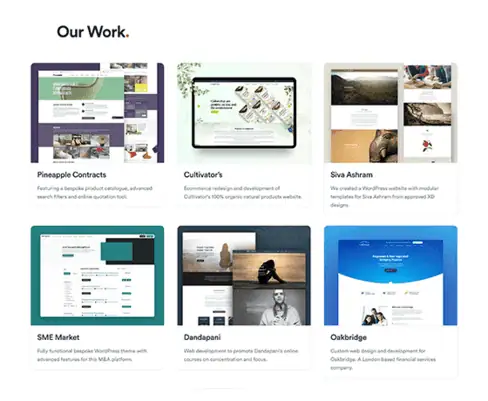
Selected work showing responsive implementation, structured content, ecommerce logic and proven design-to-WordPress delivery.
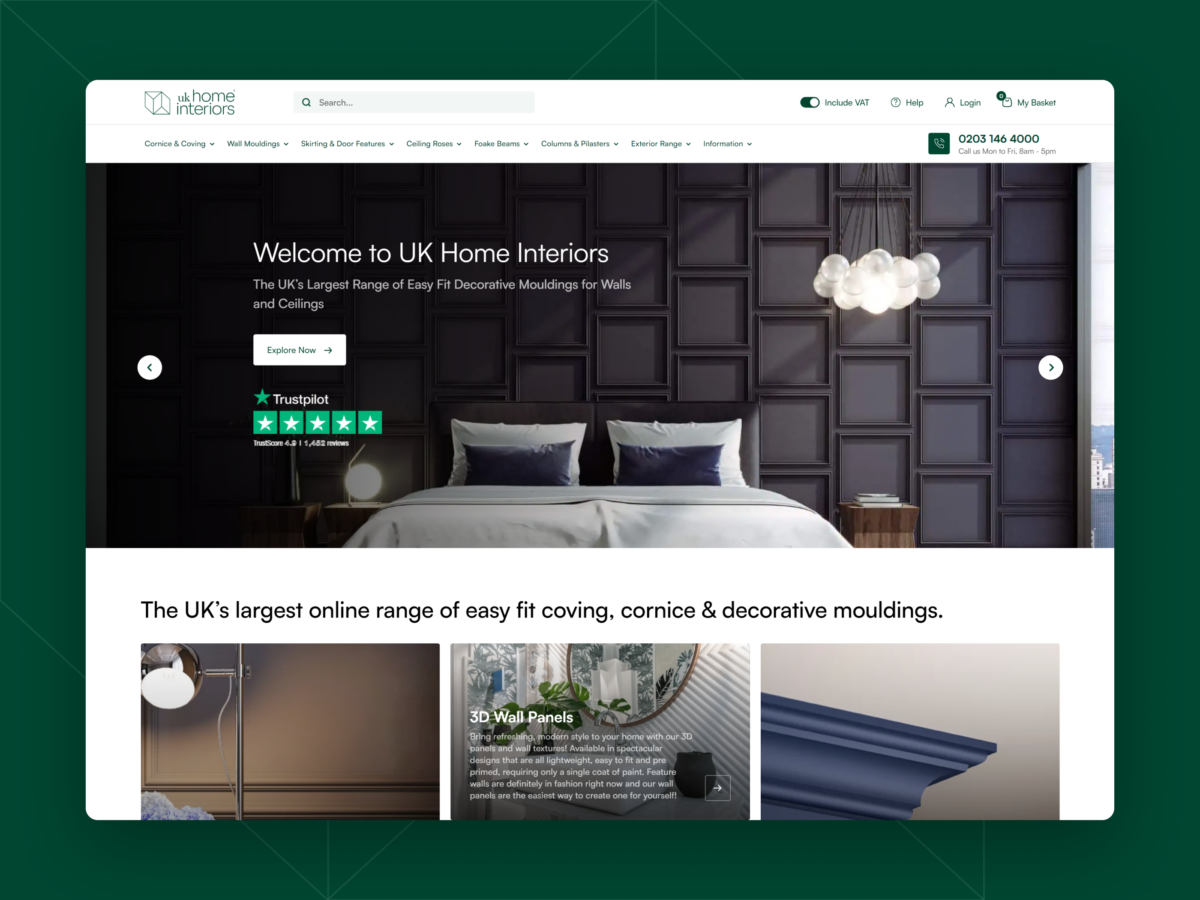
Search-Led WordPress Build & Buying Journeys
For UK Home Interiors, we delivered a design-to-WordPress build with intelligent search, product logic and clearer customer journeys.
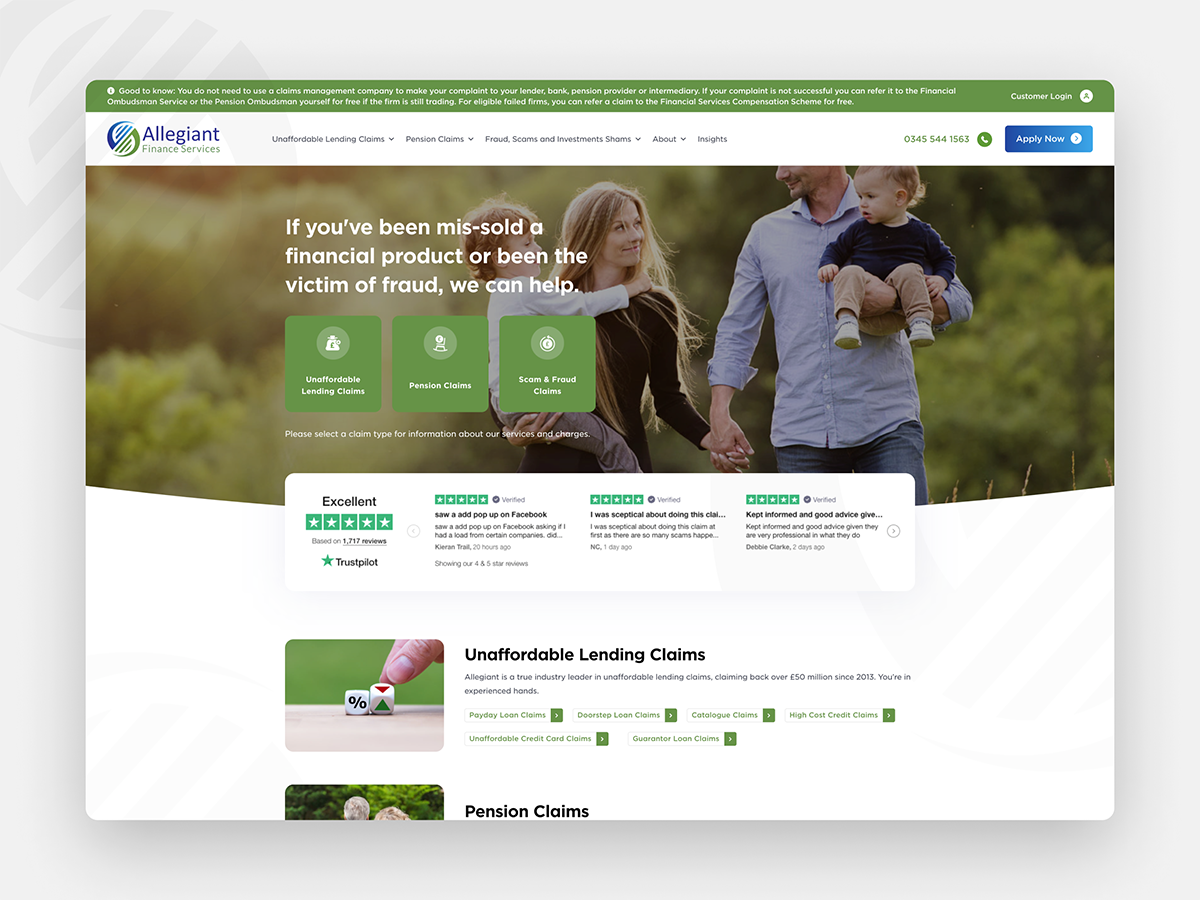
Trust-Led WordPress Build for Claims Content
For Allegiant Finance, we delivered a design-to-WordPress build for a UK claims management company, with clearer service content and structure.
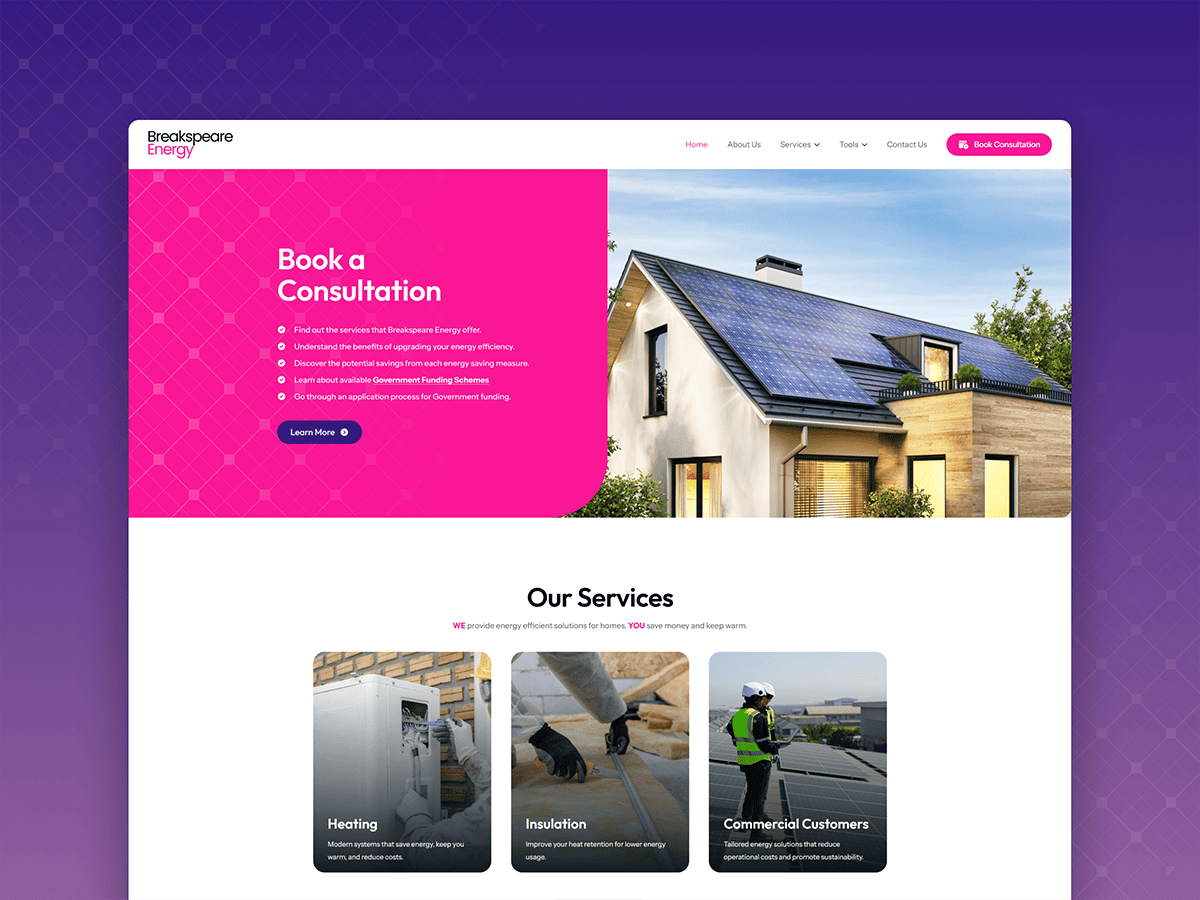
Service-Led WordPress Build for Enquiries
For Breakspeare Energy, we delivered a WordPress build with structured service content, clearer enquiry routes and simple editing.
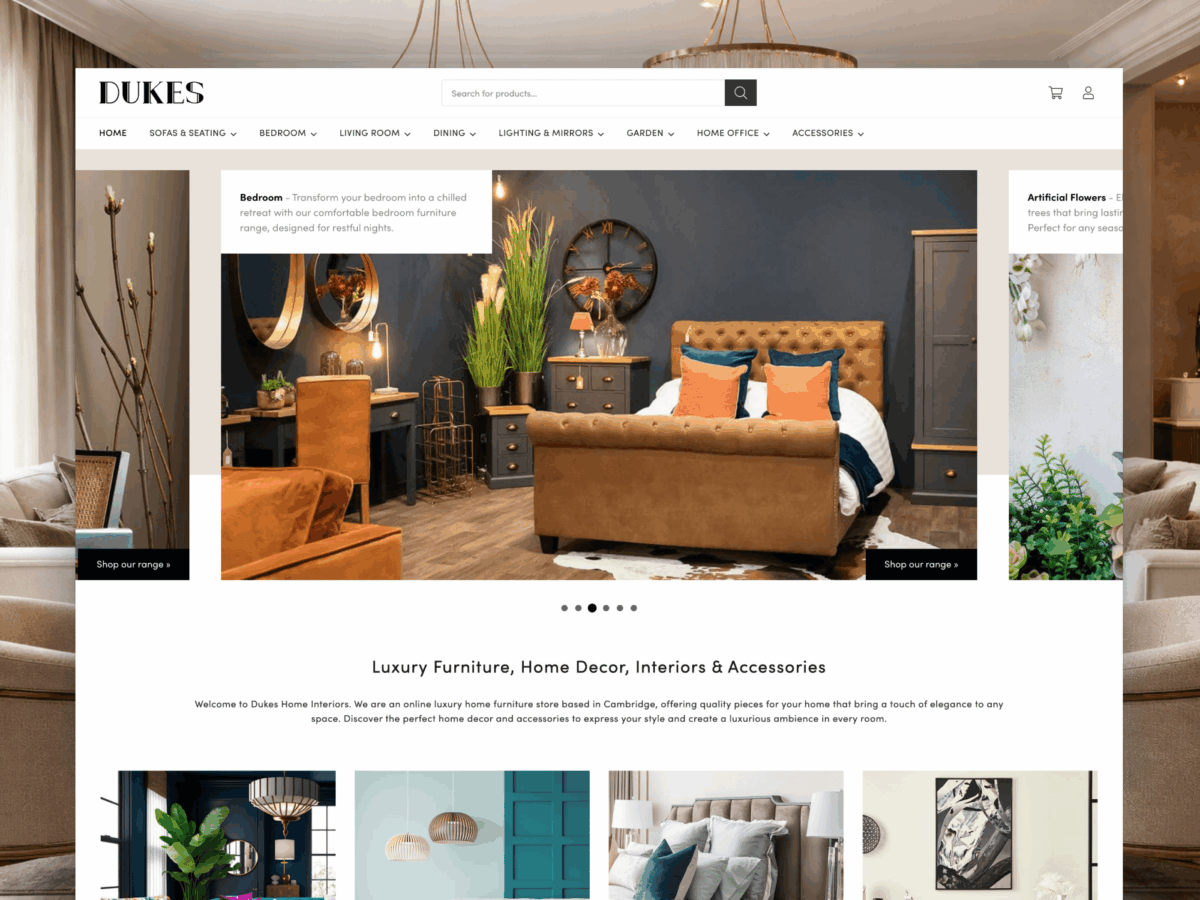
Ecommerce WordPress Build & Product Journeys
For Dukes, we delivered an ecommerce WordPress build for luxury furniture, improving product presentation, browsing flow and customer engagement.
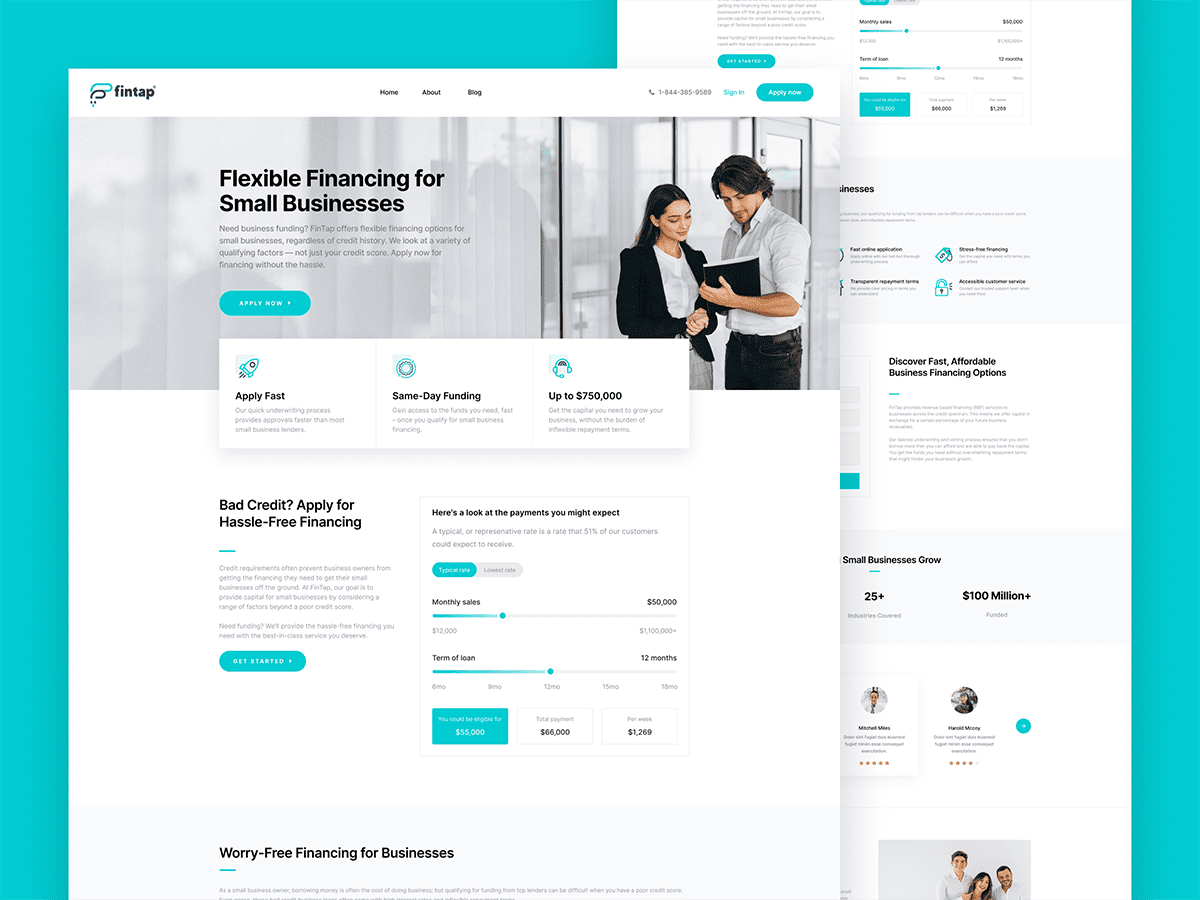
Finance WordPress Conversion for Enquiry Journeys
For Fintap, we delivered a finance WordPress conversion with clearer messaging, stronger calls to action and a focused enquiry journey.
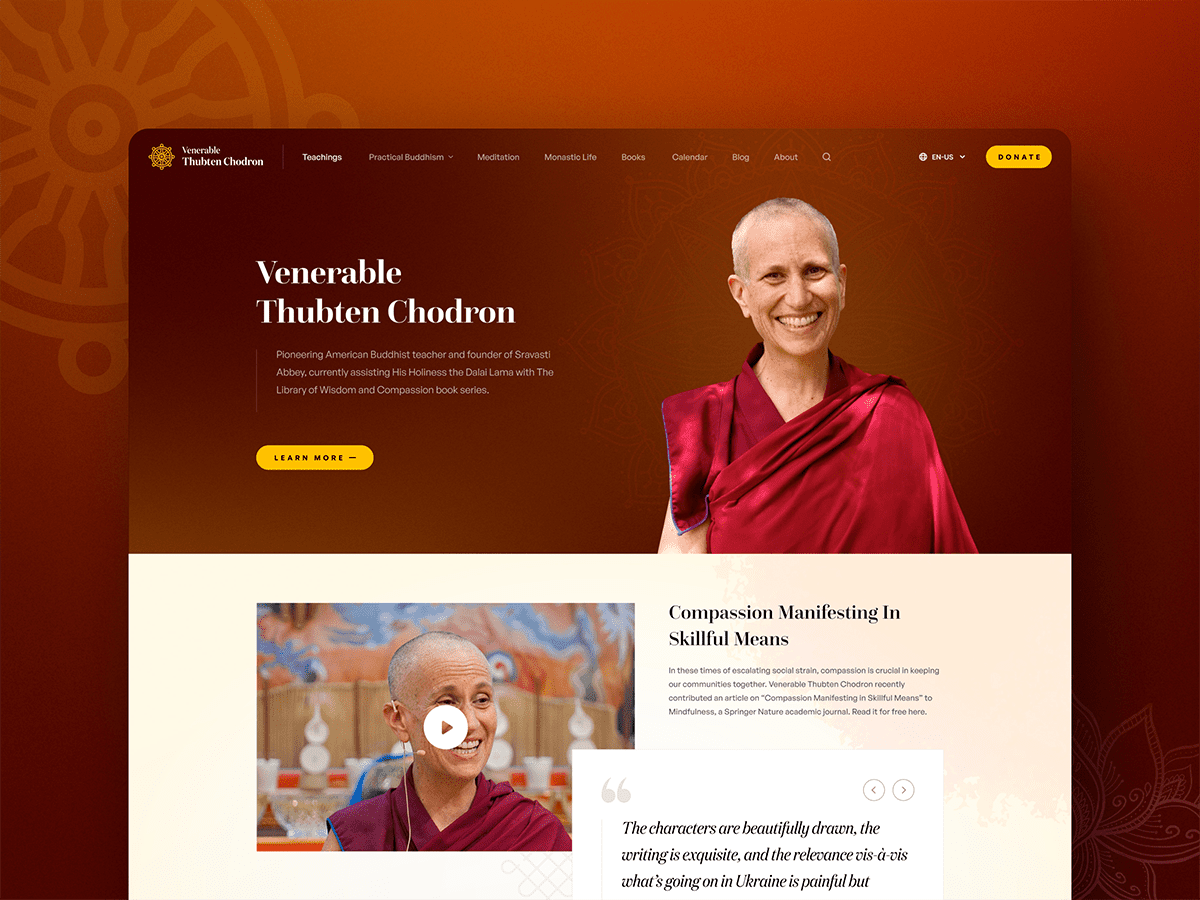
WordPress Build for Teaching Content
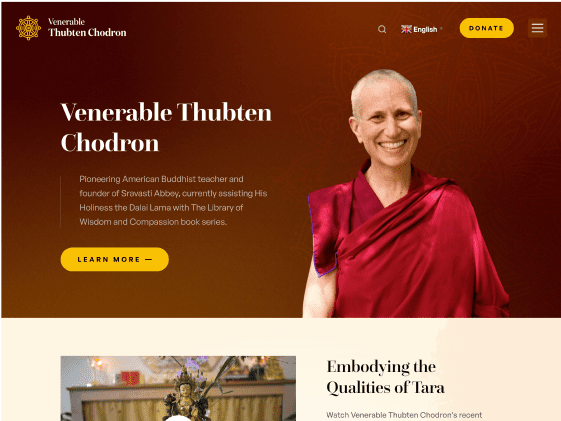
For Venerable Thubten Chodron, we delivered a WordPress build structured to organise extensive Dharma teaching content clearly.
Industry Recognition & Credentials.
Listed across recognised web design, web development and digital agency platforms.









Trusted to Bring Designs to Life.
Client feedback on precise implementation and dependable delivery from approved design to launch.

Tim Marshall
Allegiant Finance

Emma Griffiths
Synchtank

Emily De Jesus
LS Tractor USA

Alan Harder
Tango Financial

Dan Garner
Xibo
Sketch to WordPress Website Plugins, Tools & Integrations.
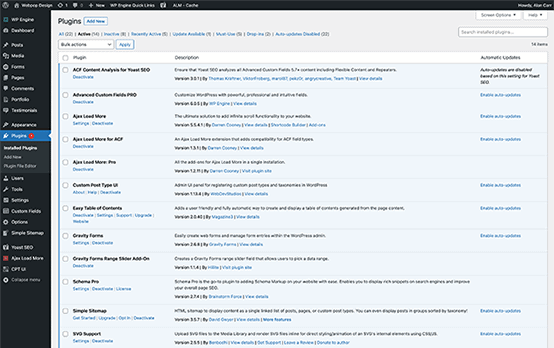
Your Sketch to WordPress build can include the plugins, tools and integration planning your new site needs for forms, sales, reporting, tracking, ecommerce, content updates and day-to-day management.
We can also plan newsletter signups, enquiry routing, CRM-ready forms, bookings, payments, ecommerce and tracking during scoping, using tools such as Gravity Forms, WooCommerce, HubSpot, Mailchimp, Google Analytics, Google Tag Manager and Microsoft Clarity. We use the smallest plugin for each job, keeping the finished site lean while supporting enquiries, orders and reporting after launch.















Need Your Sketch Design Turned Into WordPress
If you have approved Sketch layouts ready for development, Webpop Design can turn them into responsive, fast-loading WordPress pages that stay close to the approved design. Send us your file or start a conversation about your Sketch to WordPress project.
Discuss Your ProjectFrequently Asked Questions.
Answers to common questions before starting a Sketch to WordPress conversion project with Webpop Design.



How much will Sketch to WordPress conversion cost?
Sketch to WordPress conversion usually starts from around £3,000–£5,000 for a smaller approved design with a handful of templates. Larger builds with more page layouts, responsive interpretation, CMS editing, forms, WooCommerce, integrations, content migration or tracking will cost more. We review the Sketch file first, confirm the scope, then provide a clear estimate before development begins.
How long will it take to convert a Sketch design to WordPress?
A smaller Sketch to WordPress project can often take around three to five weeks once the design file, assets and content are ready. Larger builds may take six to ten weeks or more, depending on page count, responsive layouts, CMS setup, integrations, testing and launch support. We confirm the timeline after reviewing the Sketch file and project requirements.
Do I need mobile Sketch designs as well as desktop designs?
Mobile Sketch designs are helpful because they remove guesswork around stacking, spacing, menus, image crops and form layouts. They are not always essential. If only desktop layouts are supplied, we interpret the responsive behaviour, then flag any decisions with you before development moves too far into the build. We settle those calls upfront.
Can you make the finished WordPress build easy to edit?
Yes. We build in editable areas for text, images, calls to action, page sections, forms and repeated content. The aim is to keep the approved Sketch design controlled while giving your team enough CMS flexibility to update key pages after launch without damaging the layout during future content updates.
Do you build Sketch to WordPress projects with ACF?
Yes, where ACF is the right fit for the project. We turn Sketch components, repeated sections and page layouts into structured content fields, helping editors update content safely. This works well when the build needs controlled flexibility rather than free-form editing that could weaken the approved design as content changes later.
Can you use Gutenberg or Elementor?
Yes, if Gutenberg or Elementor suits the editing needs. Some Sketch to WordPress projects work best with structured Gutenberg blocks, while simpler marketing teams may prefer Elementor control. We confirm the editing approach during scoping, so the finished build supports the design, content and long-term management after launch.
Can you convert a Sketch ecommerce design to WooCommerce?
Yes, if the ecommerce requirements are clear before development begins. Product pages, category layouts, basket journeys, checkout styling, payment options and plugin requirements all need scoping upfront. This helps the Sketch ecommerce design become a WooCommerce build that supports browsing, buying, content management, product updates and customer journeys after launch.
Will the finished build be SEO-friendly?
The build will be SEO-aware from the start, with semantic markup, sensible heading structure, clean code, responsive layouts, image handling and performance considerations. Rankings cannot be guaranteed, but a Webpop Design build gives the finished site a stronger technical foundation for search visibility, without the obstacles that budget options often leave behind.
Can you work with our designer or agency?
Yes. We can work from Sketch files supplied by your designer, internal team or external agency. Clear notes around assets, fonts, responsive behaviour, hover states, components and interactions help us preserve the approved design more accurately and reduce unnecessary back-and-forth across development, testing, handover and the wider project.
What do you need before starting a Sketch to WordPress project?
We usually need the Sketch file, assets, fonts, page copy, responsive layouts if available, CMS requirements, form details, integration notes, tracking requirements, hosting details and launch deadline. If some items are missing, we can still help, but clear information makes the conversion smoother before development starts.