
Sketch to HTML Conversion
Sketch to HTML conversion for businesses, agencies and design teams with approved layouts ready for development. Webpop Design turns Sketch files into clean, responsive HTML/CSS templates with hand-coded structure, accurate typography, fast-loading pages, mobile-friendly layouts, tested forms, menus and SEO-friendly markup.
View Our Work Get a Quote
Your Sketch Design, Built by Hand.
A Sketch file sets the approved visual direction, but it still needs careful front-end development to become a working website. Our Sketch to HTML conversion service turns static layouts into responsive code, resolving spacing, typography, assets, components, forms, menus and breakpoints once the design moves into the browser.
This is exactly where automated export tools can cause problems. They often produce bloated markup, fragile CSS, inconsistent spacing and weak mobile layouts, leaving you with code that is difficult to read, maintain or safely extend.
Webpop Design hand-codes every conversion to the same standard as our website development projects, producing clean HTML, organised CSS, lightweight JavaScript and browser-tested templates that hold the approved design while giving your team a higher-quality front-end foundation to build on.
Start Your Project
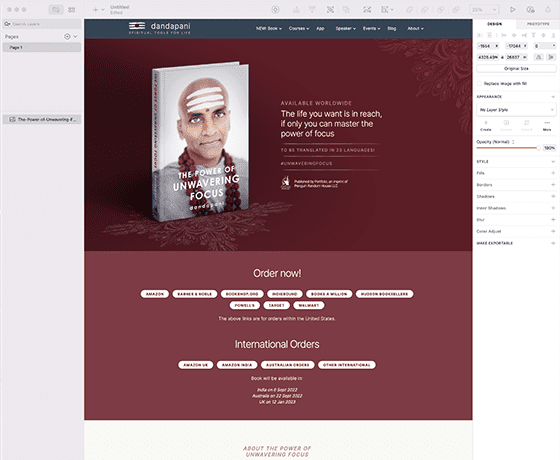

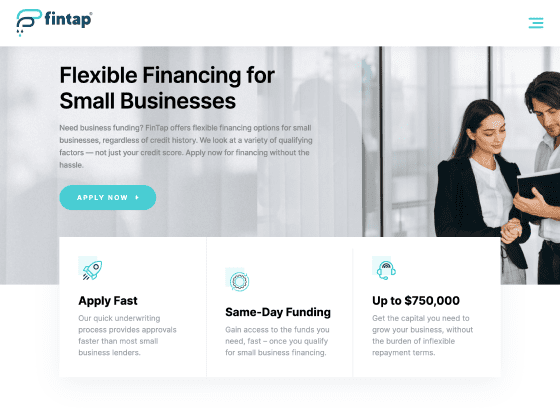
Clean HTML Code Your Developers Can Build On.
A Sketch file is usually passed into development after the visual direction has already been agreed. Our Sketch to HTML conversion service protects the layout, typography, spacing and component system, giving designers, agencies and marketing teams dependable front-end support without creating extra clean-up work.
Automated exports often name everything after the Sketch layer that created it, leaving a developer to work out what each class actually does. We name things for what they are on the page, so your team can extend the build more easily when it later joins a larger site, a campaign system, a CMS build or a Sketch to WordPress conversion.
Every conversion is planned around what happens after delivery. The code holds the approved design, behaves properly across screen sizes, handles forms and navigation cleanly, and leaves the next developer a stable, readable base they can pick up without a clean-up phase first.
Our Sketch to HTML Process.
We review each Sketch file and convert approved layouts into clean, responsive HTML with practical front-end planning.

Sketch File Review
Before any coding starts, we review the Sketch file, checking layouts, fonts, exported assets, components, spacing and responsive expectations, and flagging anything missing or unclear early. This sets how the design should behave once it moves from static artwork into working HTML, CSS and JavaScript.

Asset & Structure Planning
We plan the front-end structure around the approved Sketch design: page sections, reusable components, image handling, SVG assets and editable content areas. Planning the build properly before a line of CSS is written keeps the code clean enough to manage and extend months later.

Responsive Front-End Coding
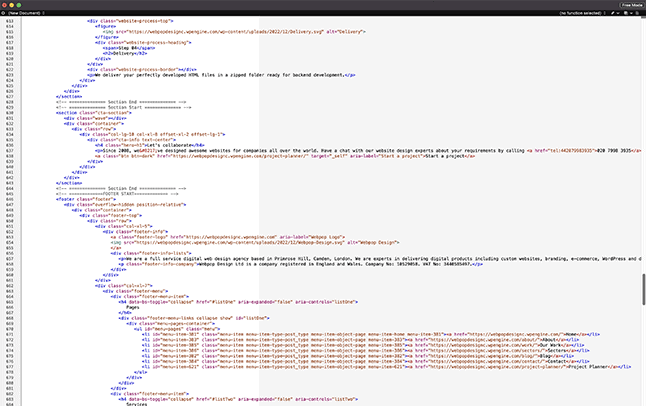
Our developers hand-code the templates in clean HTML, CSS and JavaScript, with no automated exports or bloated generated markup. The build preserves the approved Sketch design and adapts across desktop, tablet and mobile, so the layout works at every width a visitor uses, not only the few drawn in Sketch.

WordPress Integration
Where the project needs it, we prepare the HTML for WordPress with reusable sections, a clear template structure, editable content areas and front-end code ready to become a bespoke theme. That protects the original Sketch design and gives content teams real control inside WordPress, without a page builder bloating the markup.

Testing & Refinement
We test the templates across modern browsers and screen sizes, checking performance, layout consistency, semantic structure and keyboard accessibility. Catching problems at this stage, on real devices rather than resized windows, is far cheaper than fixing them once the HTML has been handed over or built into a wider site.

Delivery & Handover
You receive organised front-end files with clean code, sensible class names and reusable sections that designers, developers and internal teams can pick up straight away. The templates suit landing pages, campaign pages, service pages and forms, and are ready for CMS or WordPress integration.
From Approved Sketch Design to Production-Ready HTML.
Sketch file is a set of fixed screens at set widths. A real site has to work at every width in between, handle content longer than the mockup and support the hover, focus and tap states an artboard never shows. Our Sketch to HTML service resolves those details by hand, including spacing, typography, component behaviour, mobile navigation and responsive breakpoints in the browser.
Automated tools usually miss this part of the build. We write semantic sections, a clear heading structure, lightweight CSS, tidy JavaScript, optimised SVGs, keyboard-friendly links and usable form feedback, so the templates stay fast and stable across landing pages, campaign pages, service pages and reusable content sections.
For agencies, designers, developers and marketing teams, that means fewer design compromises and a smoother handover. Webpop Design builds Sketch to HTML templates with clean structure, sensible class names, browser testing, performance checks and CMS-ready planning, so what you launch is a properly coded website your team can extend without a clean-up phase first.
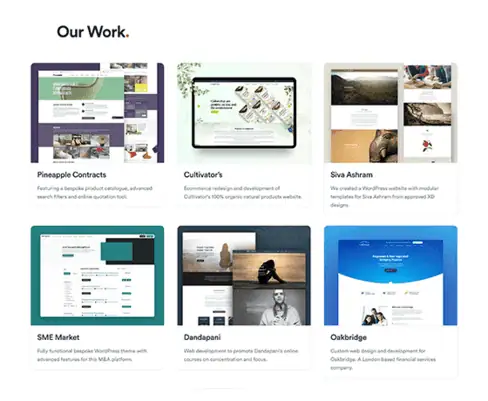
Featured Website Projects.
Selected website projects showing responsive structure, flexible templates, clean content management and builds that go beyond flat design.
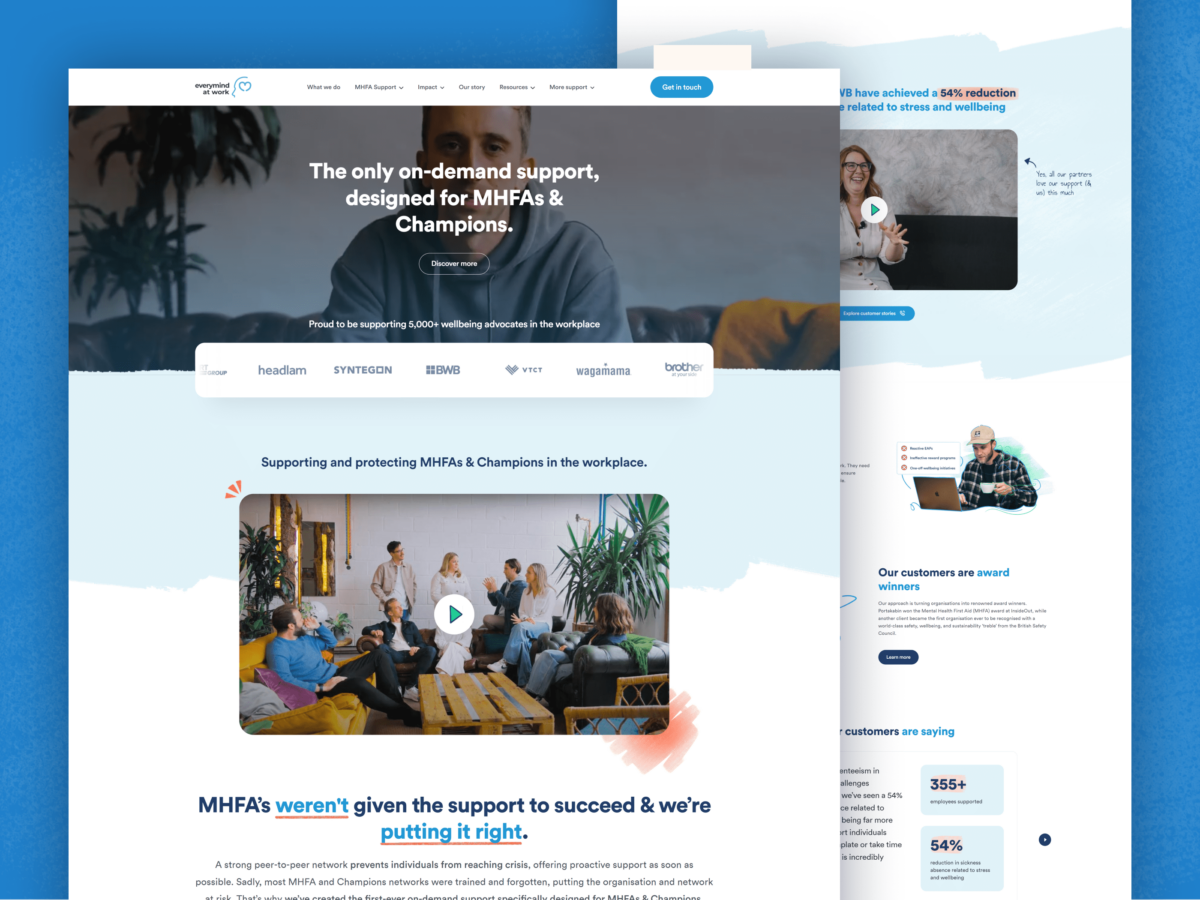
Flexible Templates for a Mental Health Platform
Performance-focused build with flexible templates, HubSpot integration and responsive front-end structure for content growth.
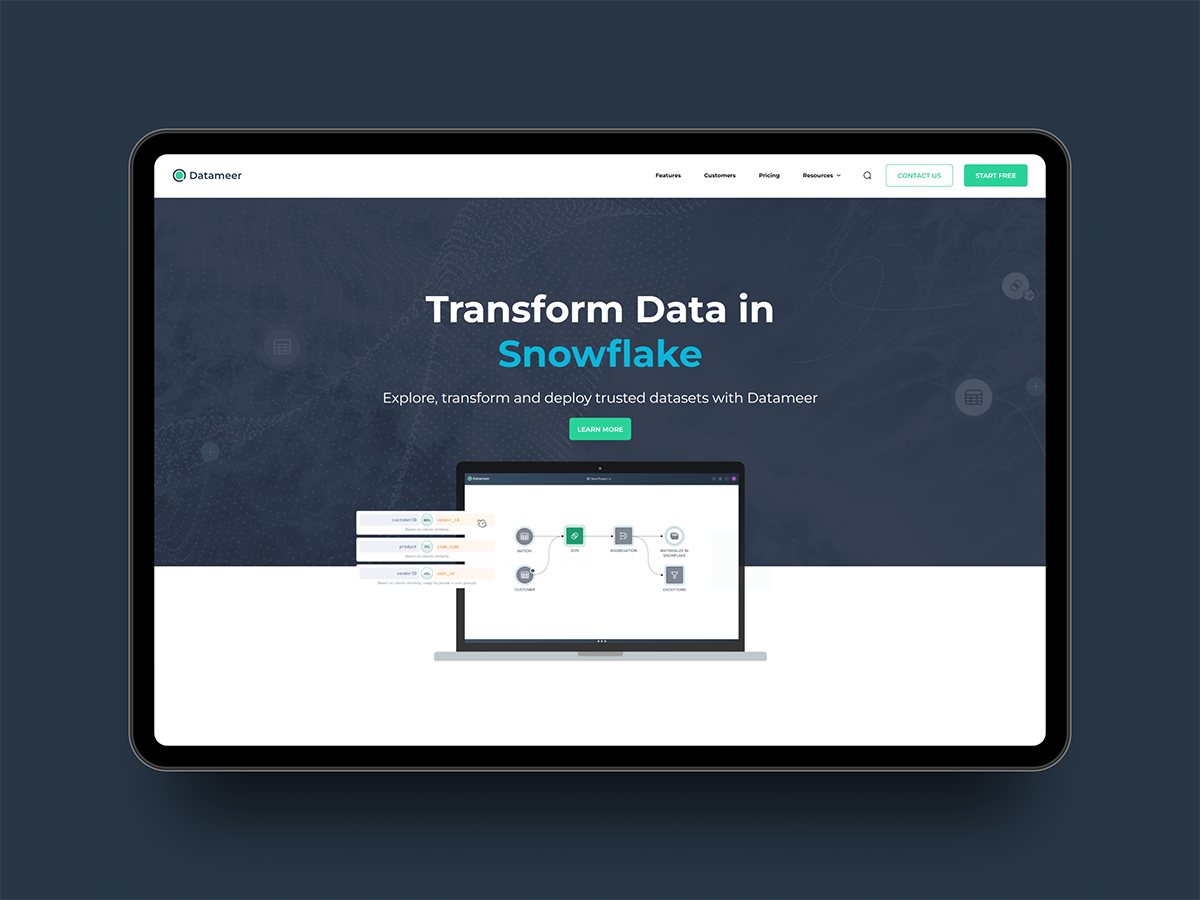
Marketing Designs Converted into Editable Templates
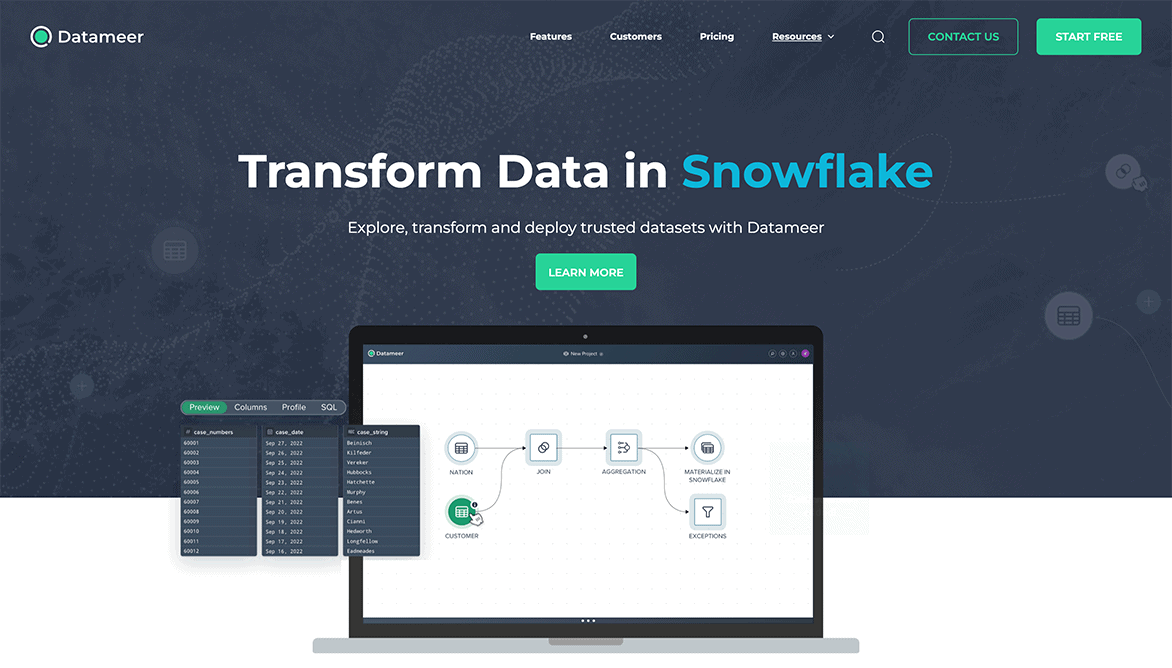
Custom build for Datameer, converting approved marketing designs into responsive, editable templates for growth.

Clearer Trade Journeys for Packaging Product Enquiries
Structured product website for Chevler, improving navigation, packaging presentation and trade enquiry journeys online.
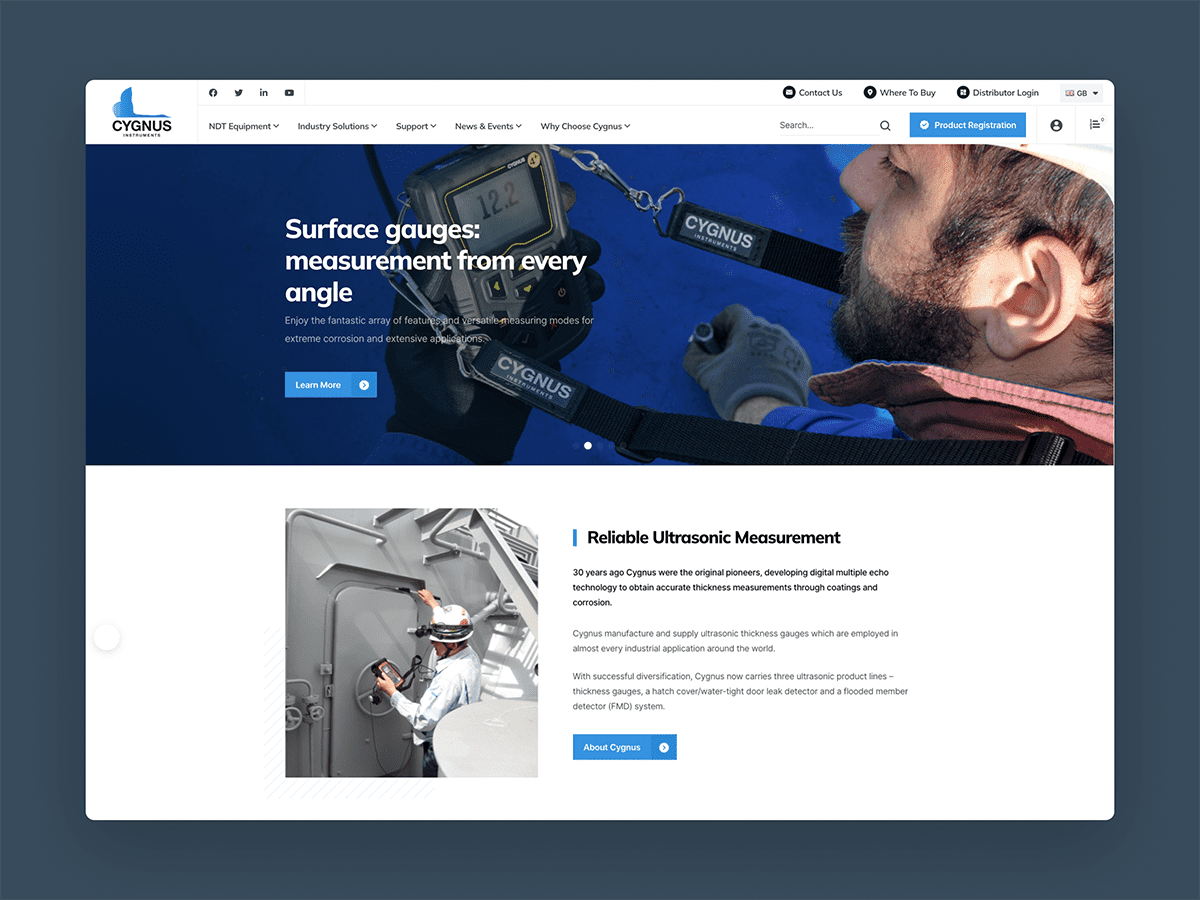
Complex B2B Platform with Custom Front-End Templates
B2B ecommerce website with distributor portal, tailored quoting journeys and structured front-end templates for technical buyers.
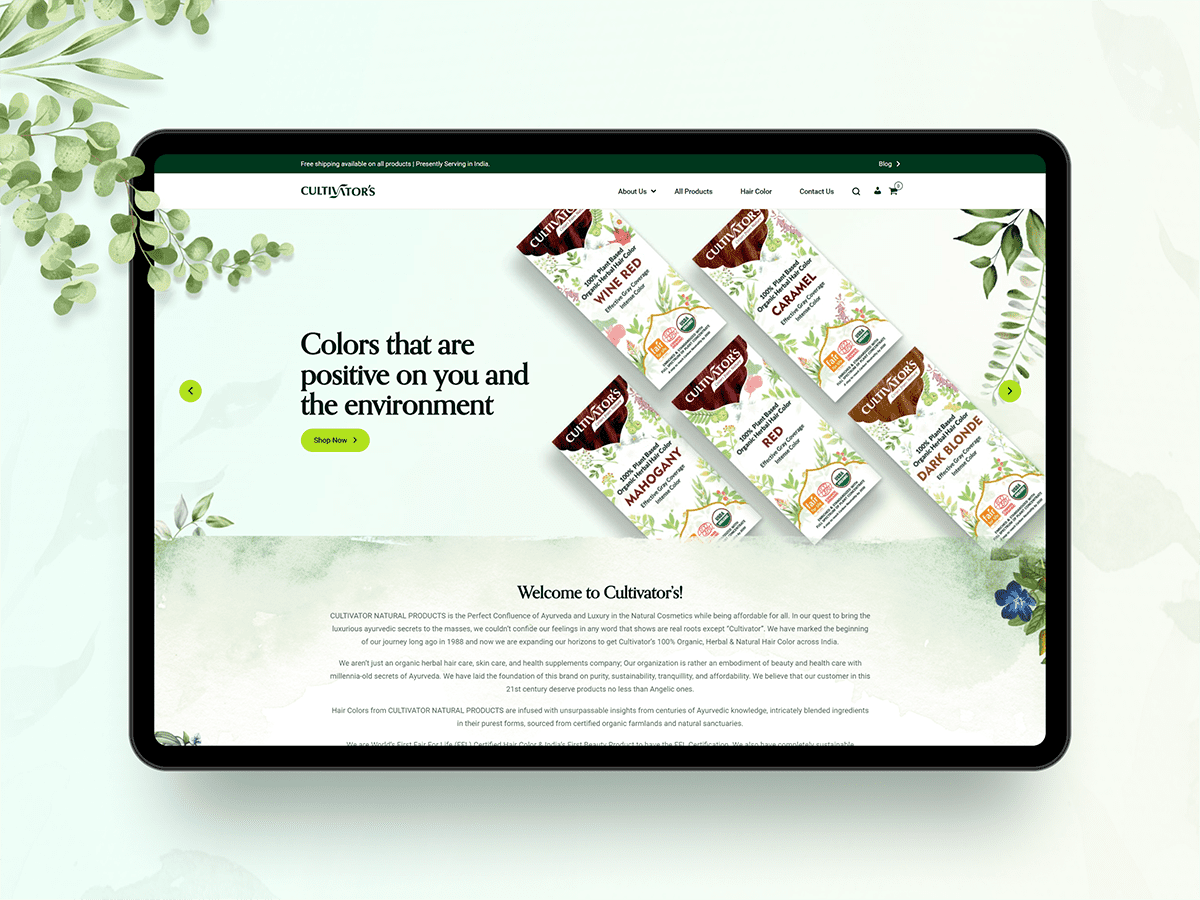
Organic Product Website with Flexible Components
B2C product website redesign with flexible components, clearer product storytelling and a stronger natural brand presentation.
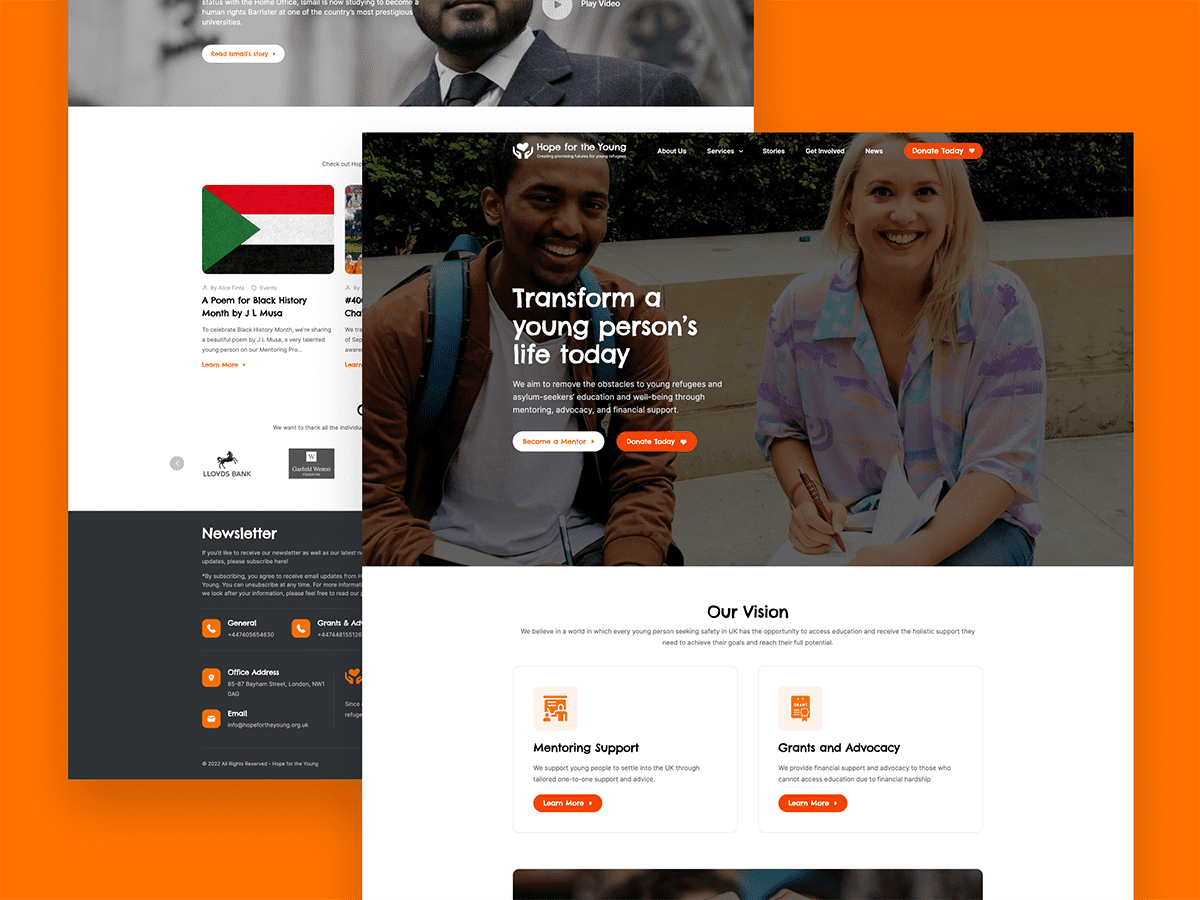
Charity Website with Clearer Donation Journeys
Charity website development and branding with clearer supporter journeys, donation routes and flexible content management tools.
Awards & Recognition.
Featured across trusted web design, development and digital industry platforms.











Trusted by Design & Development Teams.
Client feedback from projects where clean code, responsive templates and reliable delivery shaped the finished website.

Tim Marshall
Allegiant Finance

Emma Griffiths
Synchtank

Emily De Jesus
LS Tractor USA

Alan Harder
Tango Financial

Dan Garner
Xibo
Sketch Designs Converted into Clean, Responsive HTML Code
Webpop Design turns approved Sketch files into fast, responsive HTML/CSS templates that protect the design, support clear user journeys and give your team clean code to build on. Start a conversation about your Sketch project.
Plan Your ProjectFrequently Asked Questions.
Answers to the most useful questions teams ask before starting a Sketch to HTML conversion project with Webpop Design.



How much can Sketch to HTML conversion cost?
Sketch to HTML conversion costs depend on the number of templates, layout complexity, responsive requirements, forms, interactions and whether the files need to be prepared for WordPress integration. We review the Sketch file first, then provide a clear quote based on the front-end work required.
How long can Sketch to HTML conversion take?
Timescales depend on the number of screens, design complexity, responsive states, asset preparation and testing requirements. A simple landing page is usually quicker than a full set of templates with menus, forms and multiple layouts. We confirm timings after reviewing the Sketch file properly.
What files do you need to start?
We usually need the final Sketch file, fonts, exported assets, brand guidance, responsive notes, interaction notes and any relevant website references. If anything is missing or unclear, we can review the file first and flag what is needed before front-end coding begins.
Can you convert Sketch designs into responsive HTML?
Yes. We convert approved Sketch designs into responsive HTML/CSS templates that work across desktop, tablet and mobile. Spacing, content flow, navigation, buttons, forms and reusable sections are adapted so each page holds up on real devices, from a narrow phone to a wide desktop.
Is the HTML hand-coded?
Yes. Webpop Design hand-codes the front end using clean HTML, CSS and JavaScript rather than relying on automated Sketch exports. This gives you lighter, clearer and more maintainable templates that are easier for developers, agencies and internal teams to review, extend or integrate later.
Do you use automated Sketch export tools?
No. Automated exports often create bloated markup, fragile CSS, inconsistent spacing and code that is difficult to maintain. We use the Sketch file as the approved visual reference, then code the templates properly so the finished HTML is cleaner, more stable and more practical.
Will the HTML be SEO-friendly?
Yes. We structure the HTML with semantic sections, clear headings, crawlable content areas and sensible link markup. This gives developers and marketing teams a stronger technical base for SEO, although rankings still depend on content quality, site structure, authority, performance and wider search strategy.
Do you test across browsers and devices?
Yes. We test the finished templates across modern browsers and screen sizes, checking layout behaviour, responsive spacing, navigation, forms, links and visual consistency. This helps reduce front-end issues before the HTML is handed over, integrated into a CMS or prepared for launch.
Can you include forms, animations and JavaScript interactions?
Yes. We code menus, forms, buttons, hover and focus states, simple animations and lightweight JavaScript interactions. These are built around usability, accessibility and performance, avoiding heavy effects that slow pages down or make the code harder for the next developer to maintain.
Can Sketch HTML be integrated into WordPress later?
Yes. We can prepare Sketch to HTML templates with WordPress integration in mind, using reusable sections, organised files and a clear template structure. We can also convert the approved front end into a bespoke WordPress theme with editable content areas if the project needs that next stage.